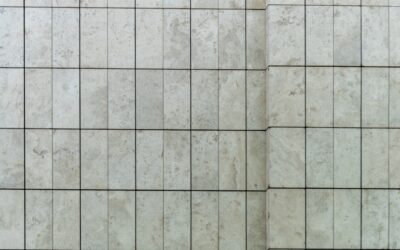
Few color choices transform a bathroom as quietly and effectively as pale blue, and light blue shower tile has become one of the most requested looks for good reason. It reads as fresh and spa-like without the commitment of a bold navy, it pairs with almost any fixture finish, and it makes small, windowless bathrooms feel airier. Choosing the right light blue shower tile comes down to material, format, and how you pair it with grout and trim, and those decisions matter as much as the color itself.
Part of our Bathroom Remodeling & Flooring guide — explore the full guide →
This guide covers the best materials for a wet environment, the layouts that flatter a soft blue, grout and accent pairings, realistic costs, and how to keep the finish looking clean for the long haul.
- Why Light Blue Works So Well in Showers
- Best Materials for a Wet Environment
- Popular Layouts and Formats
- Grout and Accent Pairings
- What It Costs to Tile a Shower
- Keeping Light Blue Tile Looking Fresh
- Bringing It All Together
- Shades of Light Blue and How to Choose
- Pairing Tile With Walls, Floors, and Fixtures
Why Light Blue Works So Well in Showers
Blue is the color the eye associates with water, sky, and calm, so it feels natural in a bathing space. A light, desaturated blue in particular bounces light around a room rather than absorbing it, which is why designers reach for it in compact baths. It also flatters skin tones under typical bathroom lighting better than cooler grays. Whether you want a coastal cottage feel, a soft Scandinavian look, or a classic subway-tile vibe, pale blue adapts. It plays well with fixtures and finishes already common in bathrooms too, so you rarely have to replace a tub, toilet, or vanity to make it work, which is one reason it appears in both budget refreshes and high-end renovations alike.
The color also hides water spots and soap film better than pure white, a small practical bonus that shows up every day.
There is a psychological dimension too. Studies of color and mood consistently associate soft blues with lowered stress and a sense of tranquility, which is exactly the feeling most people want from a morning shower or an evening soak. That is why spas and hotels lean on watery blues and greens rather than reds or oranges. In a residential bath, a light blue surround turns an ordinary routine into something that feels a touch more restorative, and unlike a trendy accent color, it does not wear out its welcome after a couple of years.
Best Materials for a Wet Environment
- Ceramic: The budget-friendly workhorse. Glazed ceramic in light blue runs $2 to $8 per square foot and is easy to cut and install. Fine for walls, though slightly softer than porcelain.
- Porcelain: Denser and less porous than ceramic, with a water absorption rate under 0.5 percent, making it ideal for shower floors and heavy-use walls. Expect $4 to $15 per square foot.
- Glass tile: Stunning for accents. Light blue glass mosaics catch light beautifully but scratch more easily and cost $12 to $40 per square foot, so most people use them as a niche or band rather than the whole shower.
- Zellige and handmade tile: Uneven, glossy handmade tiles in soft blue give an artisan look with subtle color variation, though they cost more and demand a skilled installer.
For a shower floor, prioritize slip resistance. Choose a small-format porcelain mosaic or a tile with a textured or matte finish and a coefficient of friction rated for wet areas.
Popular Layouts and Formats
The tile shape sets the personality as much as the color does. A few combinations that consistently look great in light blue:
- Classic 3-by-6 subway, stacked or offset: Timeless and affordable. A vertical stack modernizes it; a running bond keeps it traditional.
- Vertical stacked rectangles: Draws the eye upward and makes low ceilings feel taller.
- Penny round or hexagon mosaics: Great on shower floors, where the extra grout lines add grip, and charming as a full accent wall.
- Large-format 12-by-24 porcelain: Fewer grout lines mean a cleaner, more contemporary wall that is easier to maintain.
- Herringbone or chevron: A dynamic pattern that gives a simple pale blue real visual interest.
Mixing formats works too. A common approach uses large-format tile on the main walls with a penny-round or mosaic accent in the niche for texture.
Grout and Accent Pairings
Grout color can make or break the look. A white or very light gray grout keeps things crisp and lets the blue read soft and airy. A slightly darker gray grout defines each tile and adds a subtle graphic quality, and it hides dirt better in high-traffic showers. Avoid a stark contrast unless you specifically want the grid to pop.
For fixtures, light blue is remarkably flexible. Polished chrome and brushed nickel keep it cool and classic. Matte black adds modern contrast. Brushed brass or champagne bronze warms the palette toward a coastal-luxe feel. Pair the tile with white or natural-wood vanities and warm lighting around 2700 to 3000 Kelvin to keep the room from feeling cold.
What It Costs to Tile a Shower
A standard 3-by-5-foot shower has roughly 90 to 110 square feet of wall and floor surface once you tile to the ceiling. Budget it out like this:
- Tile: $200 to $1,200 depending on material, plus 10 to 15 percent for cuts and waste.
- Setting materials: Thinset, waterproofing membrane, and grout add $100 to $300.
- Professional installation: $10 to $25 per square foot, or roughly $1,200 to $2,500 for the shower.
A DIY install with a prefab or membrane-waterproofed base can cut labor entirely, bringing a full light-blue shower into the $400 to $1,500 range depending on tile choice.
Keeping Light Blue Tile Looking Fresh
Light colors show soap scum and hard-water film, so a little routine goes a long way. Squeegee the walls after each shower to prevent mineral spots. Clean weekly with a pH-neutral tile cleaner, avoiding acidic or heavily abrasive products that can etch glass tile or dull a glaze over time. Seal cement-based grout after installation and reseal it annually to resist staining, or choose an epoxy grout up front for near-zero maintenance.
Run the bathroom exhaust fan during and for 20 minutes after every shower. Good ventilation is the real secret to keeping any light-colored tile, and the grout between it, free of mildew.
Bringing It All Together
Shades of Light Blue and How to Choose
Not all pale blues behave the same way, and the undertone determines the mood. A blue with a green undertone, think sea glass or aqua, feels coastal and relaxed and pairs beautifully with sandy neutrals and natural wood. A blue leaning toward gray, sometimes called powder blue or dusty blue, reads sophisticated and calm, ideal for a modern or transitional bath. A blue with a hint of periwinkle or lavender adds a soft, romantic quality that suits traditional spaces.
Lighting changes everything, so always test samples in the actual room. North-facing bathrooms and cool LED bulbs push blue toward gray and can make it feel chilly, while warm 2700-Kelvin light and south-facing daylight bring out its softer, friendlier side. Order a few sample tiles, tape them to the wall, and look at them morning and night before committing. A blue that looked perfect in the store can turn flat and cold under your bathroom’s specific light.
Pairing Tile With Walls, Floors, and Fixtures
A light blue shower rarely stands alone, so think about the whole palette. White or greige walls keep the blue as the star and prevent the room from feeling one-note. For flooring, warm wood-look porcelain plank grounds the cool blue and adds contrast, while a classic white hexagon or marble-look tile keeps things crisp and bright. Avoid pairing cool blue with a cool gray floor unless you deliberately want a monochromatic, spa-like effect, since the two cool tones can read as sterile together.
Textiles and accessories let you shift the feel seasonally without touching the tile. Natural rattan, linen, and wood accessories warm the space toward coastal cottage, while brass hardware and a marble vanity top push it upscale. Because light blue is such a flexible backdrop, you can restyle the room’s mood with a few towels and a bath mat rather than committing to an expensive re-tile. That adaptability is a big part of why the color remains a safe, satisfying choice year after year.
Light blue is a color that ages gracefully; it does not chase trends the way a bold jewel tone can, and it works in cottages, coastal homes, and modern condos alike. Choose porcelain for durability, add a mosaic accent for texture, pair it with a grout that suits your maintenance appetite, and finish with warm metal fixtures. The result is a shower that feels calm and clean every single morning, at a price that fits almost any renovation budget.
Prefer to explore on your own?
See how new flooring looks in your actual room in seconds — free, no signup.
Try the free Floor Studio →