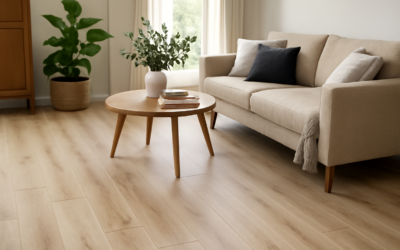
Light oak luxury vinyl plank flooring has become one of the most requested looks in home renovation, and it is easy to see why. That pale, natural oak tone makes rooms feel bigger, brighter, and more current, while the vinyl construction underneath means you get all that airy Scandinavian style with a floor that is fully waterproof and pet-proof. If you have been scrolling through remodel photos wondering how people get that light, modern wood floor without the fragility of real oak, this is usually the answer. This guide covers what makes light oak LVP special, where it shines, where it struggles, and how to buy a plank that lives up to the showroom photo.
Color is doing a lot of work in this category. Light oak reads as clean and timeless, and unlike dark floors it is remarkably forgiving in daily life, which is a practical advantage that goes beyond looks.
Why Light Oak Is So Popular
The pale tone opens up a space. Light-colored floors reflect more light, so a small or north-facing room feels larger and less closed in than it would with dark hardwood. That single quality makes light oak a favorite for apartments, basements, and homes where natural light is limited.
It is also a design chameleon. Light oak pairs cleanly with white cabinets and modern farmhouse interiors, but it works just as well under warm mid-century furniture or cool contemporary decor. Because it does not commit hard to warm or cool, it dates far more slowly than a trendy gray or a heavy espresso floor, which means you are less likely to regret it in five years.
The Practical Advantages
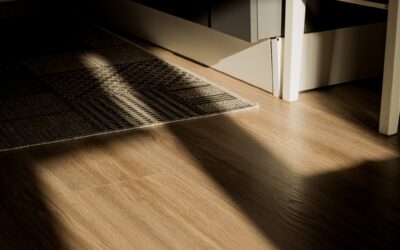
Beyond appearance, light oak LVP is genuinely easier to live with. Its biggest daily win is that it hides dirt and wear better than almost any other color. On a dark floor, every crumb, dust bunny, pet hair, and dried footprint shows up in raking light; on light oak, that same debris blends in, so the floor looks clean between sweepings. Fine scratches and scuffs are also far less visible against a pale grain than against a dark one.
Then there are the core benefits of luxury vinyl plank itself. It is waterproof, which is why you can put it in kitchens, bathrooms, and basements where real oak would swell and cup. A quality wear layer resists scratches from dog nails and dragged furniture, and the rigid SPC core stays stable and quiet underfoot. Most light oak LVP clicks together and floats over the subfloor, making it one of the more DIY-friendly floors you can install.
- Waterproof for wet rooms and below-grade spaces.
- Hides dust, hair, and minor scratches thanks to the light tone.
- Comfortable and quiet underfoot compared to tile.
- Easy click-lock installation for confident DIYers.
The Drawbacks to Consider
Light floors are not flawless. While they hide dust, they can show dark stains and spills more readily, so a splash of coffee or a muddy paw print stands out until you wipe it up. In practice this rarely matters because LVP wipes clean instantly, but it is the trade-off that comes with a pale surface.
The bigger caution is fading and cheap imitation. Any vinyl exposed to strong, direct sunlight for hours a day can lighten or discolor over time, and light oak, already pale, may show uneven fading near south-facing windows if you skip UV-resistant coatings or leave the floor uncovered by rugs and blinds. And because light oak is trendy, the market is flooded with bargain planks that use thin wear layers and repeating grain patterns; a cheap light oak can look flat and plastic, undercutting the whole point of the color.
As with all LVP, it is also non-refinishable. When the wear layer eventually gives out, you replace the plank rather than sand it. And it will not add the resale premium of genuine hardwood, since buyers recognize it as vinyl.
What You Will Pay
Light oak LVP spans the same price range as other quality vinyl planks, with cost driven by wear-layer thickness and core quality rather than the color:
- Budget (6 to 12 mil wear layer): $1.50 to $2.50 per square foot.
- Mid grade (12 to 20 mil SPC): $2.50 to $4.50 per square foot, the smart target for most homes.
- Premium (20 mil+, wide planks, enhanced texture): $4.50 to $7 per square foot.
Professional installation adds roughly $1.50 to $4 per square foot for a floating floor. For a 300-square-foot living room in mid-grade light oak, installed, plan on somewhere around $1,800 to $3,000.
How to Buy the Right Light Oak Plank
Prioritize the wear layer first; 12 mil is a residential minimum and 20 mil is ideal if you have pets or kids. Choose a rigid SPC core for stability and a quiet, solid feel. Then judge the cosmetics in person, because light oak is where cheap planks give themselves away: look for varied, realistic graining across many unique board faces, and run your hand over the surface to feel for registered embossing that follows the grain rather than a flat printed sheen.
Bring samples home and view them against your wall color and in your actual light, since undertones shift dramatically between showroom fluorescents and daylight. If sun exposure is heavy, confirm the plank has a UV-resistant coating and plan to use blinds or rugs in the brightest spots. Get those details right and light oak luxury vinyl plank flooring delivers exactly what people love it for: a bright, clean, modern wood look that hides the mess of daily life and shrugs off water, all without the fragility or price of real oak.
Frequently Asked Questions
Does light oak vinyl plank show dirt?
Light oak actually hides everyday dust, pet hair, and crumbs better than almost any other color, which is one of its biggest practical advantages. What it can show is a dark wet spill or a muddy print until you wipe it, but because vinyl wipes clean instantly, this rarely matters in daily life. Overall, light floors look cleaner between sweepings than dark ones do.
What wall and cabinet colors go with light oak floors?
Light oak is remarkably versatile. It pairs cleanly with white and greige cabinets for a modern farmhouse feel, with soft blues and sage greens for a fresh look, and with black accents for contemporary contrast. Because the tone is neutral and neither strongly warm nor cool, it works under almost any palette, which is a big reason it resists going out of style.
Will light oak vinyl plank fade in sunlight?
Any vinyl can lighten or discolor under hours of direct sun each day, and a pale floor may show uneven fading near south-facing windows. Choose a plank with a UV-resistant wear coating, and use blinds or area rugs in the sunniest spots. With those precautions, fading is minimal and the floor keeps its color for many years.
Prefer to explore on your own?
See how new flooring looks in your actual room in seconds — free, no signup.
Try the free Floor Studio →