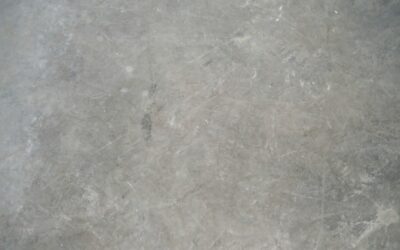
Walk into a room finished in limewash and you notice depth before you notice color, a soft, cloudy movement across the wall that flat latex paint simply cannot fake. Lime wash paint interior finishes have exploded in popularity because they deliver that old-world, plaster-like texture with a chalky matte surface that feels handmade and timeless. Made from crushed and aged limestone, limewash is one of the oldest wall treatments in existence, and it’s having a well-deserved modern revival.
Part of our Paint & Walls guide — explore the full guide →
What Limewash Actually Is
Limewash is a paint made from limestone that’s been crushed, burned, and slaked with water to create lime putty, then thinned into a washable, brushable coating. Unlike conventional paint that sits on top of the surface as a plastic film, limewash penetrates and bonds with porous surfaces through a natural process, creating a breathable mineral finish. Natural pigments are added for color, giving it a soft, matte, slightly variegated appearance.
The signature look comes from how limewash dries. As the water evaporates and the lime reacts with carbon dioxide in the air, it forms a crystalline surface with subtle tonal variation, cloudy and layered rather than perfectly uniform. That living, textured quality is the whole appeal, and it’s why no two limewashed walls look exactly alike.
The Look and Feel
Limewash reads as soft, organic, and quietly luxurious. The finish has a matte, chalky texture with gentle movement, as if the wall has aged gracefully over decades. Depending on how it’s applied, it can range from a subtle wash with faint tonal shifts to a more dramatic, cloudy effect with visible brushstrokes. It adds warmth and character that flat paint can’t replicate.
- Matte, chalky surface — zero sheen, absorbs light softly
- Tonal variation — cloudy, layered movement across the wall
- Visible brushstrokes — the crisscross application shows as gentle texture
- Depth — the color appears to shift with the light throughout the day
This is a finish for people who want their walls to feel like a material rather than a coat of paint. It pairs beautifully with natural wood, linen, stone, and other organic textures, and it suits everything from Mediterranean and rustic to modern and minimalist interiors.
Best Rooms for Limewash
Limewash’s breathability makes it especially well suited to certain spaces. Because it’s a mineral finish that resists mold and allows moisture to pass through rather than trapping it, it performs well in areas where conventional paint sometimes struggles. It also brings instant character to rooms that feel flat and builder-basic.
Living rooms and bedrooms benefit from the cozy depth and warmth. Entryways and hallways gain a sense of age and craftsmanship. Because of its breathable, anti-microbial nature, limewash can work in bathrooms and kitchens too, though high-splash zones need a protective topcoat or a limewash formulated for wet areas. An accent wall behind a bed or fireplace is a low-commitment way to try it.
Surface Prep and Priming
Limewash bonds best with porous, mineral surfaces. Traditionally it’s applied to raw plaster, brick, stone, and masonry, where it soaks in and cures naturally. On modern drywall and previously painted walls, which aren’t porous, you need the right preparation, usually a specialized mineral primer that gives the limewash something to grip and creates the porosity it needs to cure properly.
Clean the walls thoroughly, repair any holes, and apply the recommended primer for your surface. Skipping proper prep is the most common cause of limewash that chalks off, peels, or looks patchy in a bad way. Follow the manufacturer’s guidance for your specific product, because limewash formulas vary in what surfaces and primers they require.
How to Apply Limewash
Application is different from rolling on regular paint, and the technique is part of the charm. Limewash is brushed on in thin coats using a wide, natural-bristle limewash brush, worked in loose, crisscrossing strokes that create the characteristic cloudy movement. It goes on thin and watery and looks alarming while wet, then dries lighter and reveals its true, softened color.
- Prime the surface as required and let it cure fully.
- Dampen the wall lightly with water if the product recommends it, which helps the limewash blend.
- Brush on the first thin coat in random, overlapping X-strokes, keeping a wet edge.
- Let it dry completely, usually several hours, and watch the color lighten dramatically.
- Apply a second coat to build depth and even out the coverage, adjusting your stroke pressure for more or less texture.
Most walls need two coats, sometimes three for deeper color. Don’t aim for perfect uniformity; the slight unevenness is exactly what makes limewash look authentic. Work one full wall at a time to keep a wet edge and avoid hard lines.
Durability and Maintenance
Cured limewash is surprisingly durable on the right surface, hardening into a mineral finish over days as it fully carbonates. On masonry and plaster, it can last many years and even decades. On drywall it’s less bombproof but still holds up well with proper priming. Its high pH gives it natural mold and mildew resistance, a genuine advantage over conventional paint.
The trade-off is that raw limewash can chalk slightly and isn’t as scrubbable as a satin latex. In high-traffic or high-touch areas, a compatible sealer or a modern limewash-look paint with added durability solves this. Touch-ups blend easily because the finish is forgiving, and you can refresh a wall by brushing on another thin coat without stripping the old one.
Limewash vs. Regular Paint
The decision comes down to look and function. Regular latex paint is more durable, easier to apply, fully washable, and available in unlimited colors, but it sits flat and lifeless on the wall. Limewash offers unmatched depth, texture, and breathability with an artisanal, aged character, at the cost of a trickier application and less scrubbability.
- Choose limewash — for texture, depth, breathability, and an organic, timeless look
- Choose regular paint — for maximum durability, easy cleaning, and precise uniform color
Many homeowners split the difference by limewashing feature walls, entryways, or bedrooms while keeping durable paint in kitchens, baths, and kids’ rooms. If you love the look but worry about upkeep, several brands now make limewash-effect paints that mimic the aesthetic with the washability of latex.
Choosing Colors for Limewash
Limewash colors behave differently from regular paint, and knowing this shapes your expectations. Because natural pigments are mixed into a lime base, limewash tends toward soft, earthy, slightly muted tones rather than the bright, precise colors of latex. Whites, warm off-whites, soft grays, greiges, terracottas, ochres, and dusty blues and greens are where limewash truly shines, delivering that aged, sun-washed plaster look.
The finish also shifts in appearance depending on the number of coats and how thickly you apply them. One coat gives a sheer, cloudy wash where more of the base shows through, while additional coats deepen and even out the color. Keep in mind that limewash dries considerably lighter than it looks when wet, so always test your color on a sample board or a small wall patch and let it fully dry before judging it. What looks like a bold, dark swatch going on can settle into a soft, chalky mid-tone once cured.
Limewash on Exterior and Masonry Surfaces
Though this guide focuses on interiors, it’s worth noting that limewash has a long history on exterior masonry, and understanding that heritage explains why it works so well indoors on the right surfaces. On brick, stone, and stucco, limewash penetrates and bonds with the mineral surface, creating a breathable, weathering finish that ages beautifully and can be refreshed with another coat rather than stripped. This is the same property that makes it resist mold and allow moisture to escape indoors.
Inside the home, that breathability translates to a finish that won’t trap dampness behind a plastic film the way conventional paint can. On raw plaster, brick fireplace surrounds, and masonry accent walls, interior limewash performs at its best because it has the porous, mineral surface it was designed for. If you have an interior brick wall or a plaster surface, limewash is arguably the most authentic and durable finish you can apply, letting the material breathe while giving it soft, unified color and that unmistakable hand-troweled character.
A lime wash paint interior finish brings soul to a room in a way flat paint never will, layering soft color and gentle texture across the wall like aged plaster. Prep and prime the surface correctly, brush it on in loose crisscross strokes, and embrace the natural variation rather than fighting it. The result is a breathable, characterful wall that looks like it has always belonged there, which is the highest compliment any finish can earn.