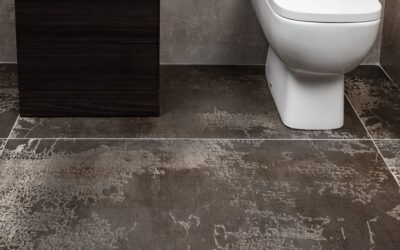
Most people picture linoleum as the sheet that covered grandma’s kitchen, but the material has quietly reinvented itself for the modern, eco-conscious home. Linoleum planks are the click-together, floating-floor version of genuine linoleum, sold most prominently as Marmoleum Click, that combine the natural composition of traditional lino with the easy, glue-free installation of laminate. If you want a floor made largely from renewable materials that you can install yourself, plank linoleum deserves a serious look.
What Linoleum Actually Is
Real linoleum is not vinyl. It is made from natural raw materials, linseed oil from flax, pine rosin, wood flour, cork dust, limestone, and natural pigments, pressed onto a jute backing. That composition makes it biodegradable, low in VOCs, and naturally antibacterial, which is why it has long been used in hospitals and schools. The confusion comes from decades of people calling all resilient sheet flooring “linoleum,” when much of it was actually vinyl.
Plank linoleum takes that authentic natural material and laminates it onto a high-density fiberboard core with a click-lock edge, turning it into a floating floor.
How Click Linoleum Is Built
- Top layer: genuine linoleum, typically around 2.5mm thick, colored all the way through
- Core: HDF (high-density fiberboard) with a click-lock profile for floating installation
- Backing: a cork underlayer on premium products for warmth and sound dampening
- Format: planks and tiles that snap together without glue, much like laminate
The result installs over most existing subfloors without adhesive, making it one of the few genuinely natural floors a homeowner can put down in a weekend.
What Linoleum Planks Cost
Plank linoleum sits in the mid-to-upper price range for resilient flooring. Expect roughly $4 to $7 per square foot for the material, with Marmoleum Click landing around $5 to $6.50. Professional installation adds about $2 to $4 per square foot, though the click system makes DIY very approachable. For a 300-square-foot room, budget around $1,800 to $3,300 installed, or roughly $1,200 to $2,000 if you lay it yourself.
It costs more than budget laminate or entry vinyl, but you are paying for natural materials and genuine durability rather than a printed photo layer.
Durability and Lifespan
Linoleum is tough. Because the color runs through the full thickness of the wear layer rather than sitting as a thin printed film, scratches and scuffs are far less visible than on vinyl or laminate, where damage cuts through to a different-colored core. A well-maintained linoleum floor commonly lasts 20 to 40 years, and commercial linoleum in schools has been known to last even longer.
The surface actually hardens over time as the linseed oil continues to cure, a process that makes the floor more durable in its early years of use.
Care and the Yellowing Myth
New linoleum sometimes arrives with a faint amber cast called the “drying room film,” a temporary haze from the linseed oil that fades within days to weeks of exposure to natural or artificial light. It is normal and disappears on its own. For ongoing care, sweep regularly and clean with a damp mop and a pH-neutral cleaner; avoid harsh alkaline or abrasive products that can dull the surface. Wipe spills promptly, as standing water can swell the HDF core at the seams.
Linoleum Planks vs. Luxury Vinyl
The two look similar on a showroom floor but differ in substance. Linoleum is natural, biodegradable, low-VOC, and through-colored, but its HDF core is not waterproof, so it is water-resistant rather than fully waterproof. Luxury vinyl is synthetic and fully waterproof with a rigid core, but it is petroleum-based and the color is a printed layer. For eco-priority homeowners and dry-to-moderate rooms, linoleum wins; for bathrooms, laundries, and basements with standing-water risk, waterproof rigid vinyl is the safer pick.
Where to Use It
Plank linoleum shines in living rooms, bedrooms, hallways, kitchens, and home offices, anywhere you want a warm, natural, durable floor without constant moisture exposure. Keep it out of rooms prone to flooding or standing water unless you choose a fully sealed installation, since the fiberboard core is the vulnerable part. Over radiant heat, confirm the product is rated for it and respect the temperature limit.
Buying and Installing Smart
Acclimate the planks in the room for 48 hours before installing, leave a 1/4-inch expansion gap around the perimeter, and buy 10 percent overage for cuts and future repairs. Confirm all boxes share one batch for color consistency. With its natural makeup, decades-long lifespan, and weekend-friendly click install, linoleum planks offer a genuinely different answer for homeowners who want a floor that is as sustainable as it is durable.
The Sustainability Case
For environmentally minded homeowners, linoleum’s biggest draw is what it is made of and what happens at the end of its life. The raw materials, linseed oil, pine rosin, wood and cork flour, and limestone, are renewable and abundant, and genuine linoleum is biodegradable rather than destined for a landfill as permanent plastic. Manufacturing has a relatively modest carbon footprint compared with petroleum-based vinyl, and many products carry low-VOC certifications that support good indoor air quality.
That natural composition is also why linoleum has long been specified for hospitals, schools, and other spaces where air quality and durability both matter. If your goal is a floor that aligns with a greener household, plank linoleum is one of the few resilient options that genuinely earns the label rather than just marketing it.
Color, Style, and Design Range
Modern linoleum is not the muddy beige of decades past. Marmoleum and similar lines come in a wide palette, from solid bright colors to subtle marbled and stone-look patterns, with the color running through the full wear layer so it stays consistent as the floor wears. The plank format lets you create the clean, linear look of wood-style flooring while keeping the natural matte surface that distinguishes linoleum from glossy vinyl.
Because the patterns are abstract marbling rather than printed photographs of wood, linoleum reads as its own material rather than an imitation, which appeals to homeowners who want something distinctive. Order physical samples and view them in your room’s light, since the marbled tones shift noticeably between showroom fluorescents and natural daylight, and the right color can tie a whole room together.
Prefer to explore on your own?
See how new flooring looks in your actual room in seconds — free, no signup.
Try the free Floor Studio →