Linoleum is one of the oldest resilient flooring materials still made today, and a quiet eco-friendly revival has brought it back into kitchens, mudrooms, and even modern living spaces. Unlike vinyl, which is petroleum-based, true linoleum is made from natural raw materials, making it a favorite for homeowners who want durability without synthetic ingredients. Understanding the different types of linoleum flooring helps you choose the right format, installation method, and look for your space. This guide covers each type along with the pros, cons, and costs so you can buy with confidence.
What Linoleum Actually Is
Genuine linoleum is made from linseed oil (extracted from flax), pine rosin, cork dust, wood flour, and limestone, all pressed onto a jute backing. It is a natural, biodegradable, and antistatic material that resists scratches and can last 25 to 40 years with proper care. Color runs all the way through the material, so wear and minor scratches are far less visible than on printed vinyl.
It is important not to confuse linoleum with vinyl. Many people use the words interchangeably, but they are completely different products. Vinyl is synthetic PVC with a printed image layer, while linoleum is a homogeneous natural material colored throughout.
Sheet Linoleum
Sheet linoleum comes in large rolls, typically 6 to 7 feet wide, and is the most traditional format. Because it covers wide areas with very few seams, it offers excellent water resistance, making it a strong choice for kitchens, bathrooms, and laundry rooms.
The downside is installation difficulty. Cutting and fitting a large sheet around cabinets and corners is tricky, and most homeowners hire a professional. Sheet linoleum usually requires adhesive bonding to the subfloor. Material runs roughly $3 to $6 per square foot, with installation adding $2 to $5 per square foot.
Linoleum Tiles
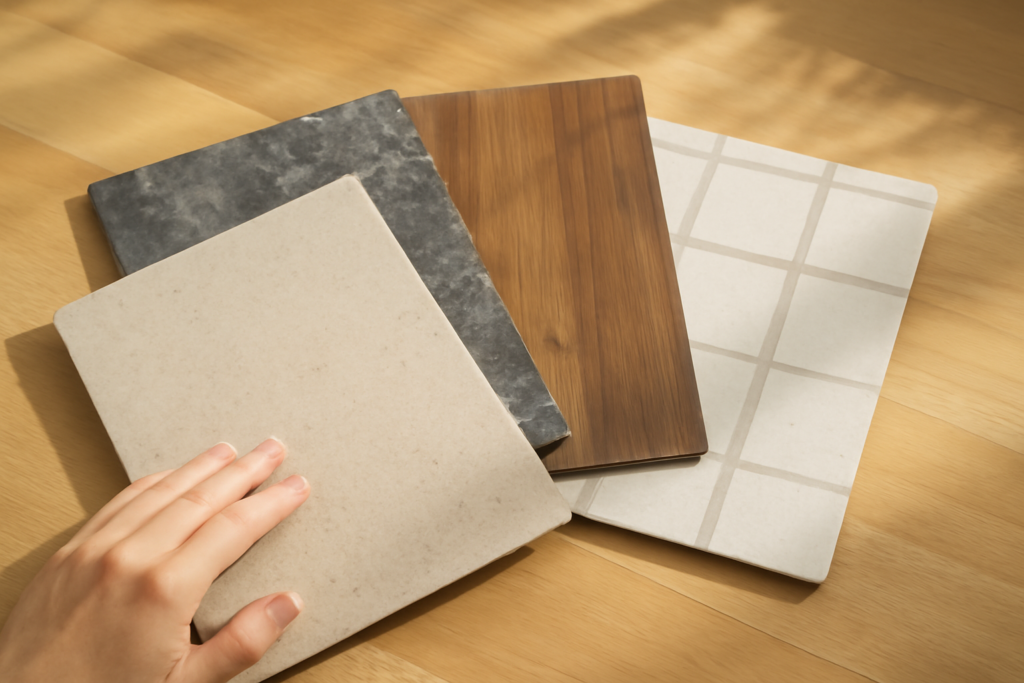
Linoleum tiles offer the same natural durability in a more manageable, DIY-friendly format. Square tiles, often 12 by 12 inches or 20 by 20 inches, are glued down individually, which makes them easier to handle and lets you mix colors for borders, patterns, or checkerboard designs.
The trade-off compared to sheet is more seams, which means slightly more places for moisture to penetrate if not sealed properly. Still, tiles are easier to repair; if one gets damaged, you replace a single tile instead of a whole sheet. Expect costs similar to sheet linoleum, around $3 to $6 per square foot for materials.
Click-Lock Linoleum Planks
The newest format mounts linoleum onto a rigid composite core with a click-lock edge, creating a floating floor that installs much like laminate or luxury vinyl plank. No adhesive is required, and the planks snap together over a thin underlayment, making this the most DIY-friendly option available.
Click-lock linoleum is ideal for homeowners who want the natural material without the mess of glue or the skill needed for sheet installation. The convenience comes at a premium, with material costs often $4 to $7 per square foot. Because it floats, it can also be lifted and reinstalled if needed.
Comparing the Three Types
Each format suits a different priority. Use this quick comparison to narrow your choice:
- Sheet: Best water resistance and fewest seams; hardest to install; professional recommended
- Tile: Easiest to customize with patterns and the simplest to repair; more seams
- Click-lock plank: Easiest DIY install with no adhesive; highest material cost
For a busy bathroom, sheet wins on moisture protection. For a mudroom you want to install yourself over a weekend, click-lock planks are the clear pick. For a retro kitchen with a custom border, tiles give you the most design freedom.
Pros and Cons of Linoleum Overall
Linoleum’s biggest strengths are its longevity, eco-friendly composition, and through-body color that hides wear. It is naturally antimicrobial and antistatic, and it feels slightly softer and warmer underfoot than tile. With periodic sealing, a good linoleum floor easily outlasts most vinyl.
On the downside, linoleum can be damaged by standing water if seams are not sealed, and it needs periodic resealing every few years to maintain its finish. It can also yellow slightly when first exposed to light, an effect called “ambering” that usually fades. Sharp objects and high heels can dent it, and harsh alkaline cleaners will degrade the surface.
Care and Maintenance
Sweep or vacuum regularly to remove grit that can scratch the surface, and damp-mop with a pH-neutral cleaner rather than harsh chemicals. Wipe spills promptly so water does not work into the seams. Reapply a manufacturer-recommended sealer every two to five years depending on traffic.
Use felt pads under furniture legs and avoid dragging heavy appliances across the floor. With this basic routine, linoleum rewards you with decades of service and a finish that stays attractive far longer than most resilient flooring.
Linoleum Versus Vinyl: A Quick Comparison
Because the two are so often confused, it helps to see how linoleum stacks up against vinyl directly. Linoleum is made from natural, biodegradable materials and colored throughout, so wear is less visible and the product is more eco-friendly. Vinyl is synthetic PVC with a printed image layer and a clear wear coat, making it fully waterproof and lower maintenance but petroleum-based.
- Material: Linoleum is natural; vinyl is synthetic PVC
- Water resistance: Vinyl is waterproof; linoleum is water-resistant but needs sealed seams
- Maintenance: Vinyl needs none beyond cleaning; linoleum needs periodic resealing
- Lifespan: Linoleum can last 25 to 40 years; quality vinyl 15 to 25
- Eco-profile: Linoleum is biodegradable; vinyl is not
If sustainability and longevity top your list, linoleum wins. If you want zero maintenance and full waterproofing in a bathroom, vinyl may suit you better.
Color and Design Options
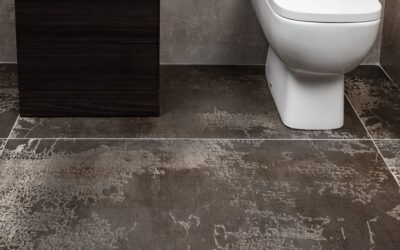
Modern linoleum is far from the dull beige of mid-century kitchens. Today it comes in a wide spectrum of solid colors, marbled blends, and even wood- and stone-look patterns, especially in the click-lock plank format. Because the color runs through the material in true linoleum, the look stays consistent as the surface wears.
Tile formats let you get creative with borders, checkerboards, and inlaid designs, making linoleum a favorite for homeowners who want a retro or custom aesthetic. The natural variation in marbled patterns also helps hide everyday dirt and minor scuffs between cleanings.
The Bottom Line
The main types of linoleum flooring are sheet, tile, and click-lock plank, and each fits a different room and skill level. Sheet excels in wet areas, tile shines for custom designs and easy repairs, and click-lock planks make DIY installation simple. Whichever you choose, you get a durable, natural, eco-friendly floor that can last for decades with modest care and periodic resealing.
Prefer to explore on your own?
See how new flooring looks in your actual room in seconds — free, no signup.
Try the free Floor Studio →