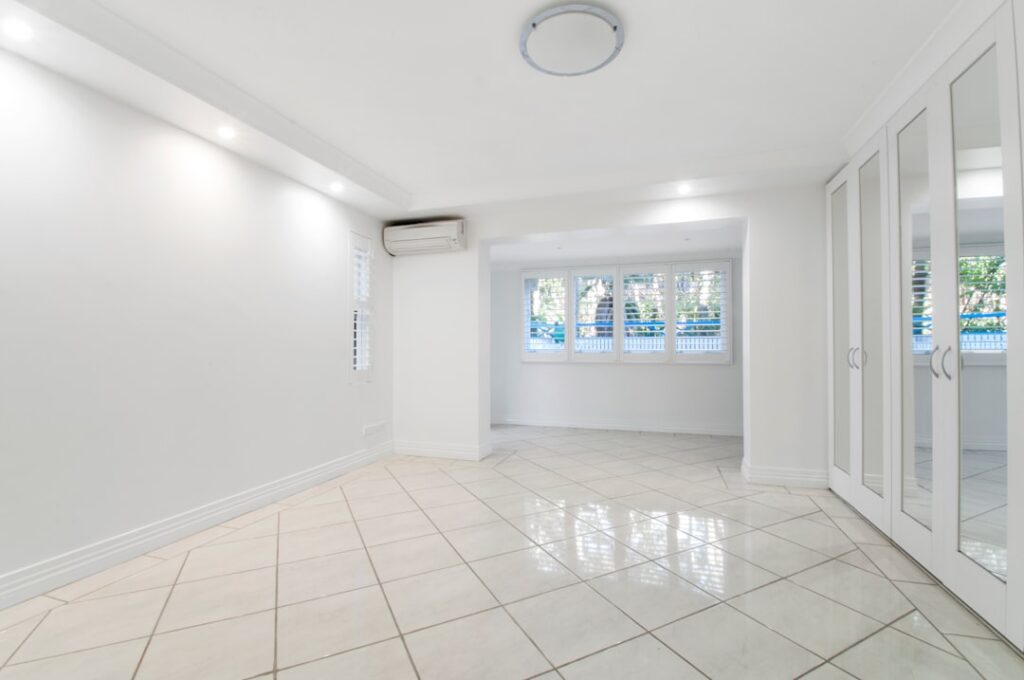
Tiling a living room is a bold design choice that pays off in durability, style, and low maintenance. While hardwood and vinyl dominate living room flooring in many regions, tile is the preferred choice in warm climates, modern homes, and open-plan spaces where seamless flow from kitchen to living area matters.
Part of our Tile & Grout guide — explore the full guide →
This guide explores the best living room tile options, design trends, layout ideas, and practical considerations to help you create a living space that’s both beautiful and built to last.
Why Choose Tiles for a Living Room?
- Durability: Porcelain and natural stone tiles handle decades of foot traffic without showing wear.
- Design range: Tiles offer the widest variety of looks: marble, wood, concrete, geometric patterns, and more.
- Low maintenance: Sweep, mop, and forget about refinishing or replacement for years.
- Radiant heat compatibility: Tile is the ideal surface for underfloor heating systems.
- Seamless transitions: In open-plan homes, running the same tile from kitchen through the living area creates beautiful continuity.
- Allergy-friendly: Tile doesn’t harbor dust, mold, or allergens like carpet.
Best Tile Types for Living Rooms
Porcelain Tile
Porcelain is the most versatile and practical choice for living room tiles. It’s harder, denser, and less porous than ceramic, making it suitable for high-traffic areas. Modern porcelain tile technology reproduces the look of virtually any natural material:
- Marble-look porcelain: Replicate Carrara, Calacatta, or Statuario marble without the maintenance demands and cost of real stone.
- Wood-look porcelain: Long plank formats mimic hardwood with waterproof, scratch-proof performance.
- Concrete-look porcelain: Industrial-chic surfaces in gray tones for modern interiors.
- Stone-look porcelain: Travertine, limestone, and slate appearances without the sealing requirements.
Cost: $3 to $15 per square foot (materials)
Natural Stone Tile
Natural stone brings unmatched authenticity and luxury to a living room. Popular options include:
- Marble: Classic elegance with distinctive veining. Requires regular sealing and careful maintenance. Best in formal living rooms with controlled traffic.
- Travertine: Warm, earthy tones with natural pitting that can be filled or left open for character. Popular in Mediterranean and traditional interiors.
- Limestone: Soft, muted colors with a subtle texture. Creates a calm, organic atmosphere.
- Slate: Dramatic color variations and natural cleft texture. Works well in rustic and modern interiors.
Cost: $8 to $30+ per square foot (materials)
Ceramic Tile
Ceramic tiles offer an affordable entry point for living room tiling. While softer and more porous than porcelain, quality ceramic tiles perform well in residential living rooms. They’re available in a wide range of sizes, colors, and patterns.
Cost: $1 to $8 per square foot (materials)
Terrazzo Tile
Terrazzo tiles feature colorful marble, glass, or quartz chips embedded in a cement or resin matrix. They add playful, artistic character to contemporary living rooms and are having a strong design moment in 2026.
Cost: $10 to $25 per square foot (materials)
Tile Sizes for Living Rooms
Large Format (24×24, 24×48, 32×32)
Large-format tiles are the dominant trend for living rooms. Fewer grout lines create a cleaner, more spacious appearance. They work especially well in open-plan spaces and contemporary interiors. Rectified edges allow narrow grout joints that further enhance the seamless effect.
Medium Format (18×18, 12×24)
A practical middle ground that balances visual scale with easier handling and installation. 12×24 rectangular tiles create a linear directional pattern that can visually lengthen or widen a room depending on orientation.
Plank Format (6×36, 8×48, 10×60)
Wood-look plank tiles in these sizes replicate the proportions of real hardwood planks. They’re an excellent choice for living rooms where you want wood’s warmth without its vulnerability.
Small Format and Mosaics
Small tiles and mosaics are generally too busy for living room floors but work beautifully as accent borders, inlays, or feature areas within a larger tile field.
Living Room Tile Design Ideas
Contemporary Minimal
Large-format gray or white porcelain in a matte finish with narrow, color-matched grout. Keep the palette neutral and let furniture and art provide color. This approach works especially well in open-plan living/kitchen/dining spaces.
Mediterranean Warmth
Travertine or terracotta-look tiles in warm earth tones. Pair with wrought iron, textured walls, and natural fabrics. A classic look that feels both timeless and inviting.
Modern Luxury
Marble-look porcelain in large slabs with book-matched veining. Polished or soft-matte finish. Complement with metallic accents, plush upholstery, and statement lighting.
Rustic Character
Wood-look porcelain planks in a weathered oak or reclaimed wood finish. Random stagger installation with warm gray or brown tones. Area rugs and natural materials complete the look.
Statement Patterns
Encaustic cement tiles or patterned porcelain in geometric or floral motifs create a dramatic focal point. Use patterned tiles for a defined area (under a coffee table or in a reading nook) with solid tiles surrounding.
Terrazzo Revival
Large-format terrazzo tiles in neutral bases with colorful aggregate create a playful, art-inspired floor that works with mid-century modern and contemporary decor.
Making Living Room Tiles Comfortable
The primary objection to living room tiles is comfort. Here’s how to address it:
Radiant Floor Heating
Electric or hydronic radiant heat transforms cold tile into the warmest floor in your home. Tile’s thermal conductivity makes it the ideal radiant heat surface. The cozy warmth underfoot eliminates the main drawback of tiled living rooms.
Area Rugs
Strategically placed area rugs add warmth, softness, and sound absorption. A large rug under the main seating area creates a comfortable zone while letting the tile show around the room’s perimeter.
Sound Management
Hard tile surfaces reflect sound, which can make living rooms feel echoey. Upholstered furniture, curtains, bookshelves, and rugs all absorb sound and soften the room’s acoustics.
Installation Considerations
Subfloor Preparation
Living room tiles require a flat, stable substrate. Concrete slabs are ideal. Wood-framed subfloors need a cement backer board or uncoupling membrane (like Schluter DITRA) to prevent flex cracking.
Layout Planning
Plan the tile layout so that cut tiles at walls are symmetrical and as large as possible. Start from the room’s visual center or the main focal point (fireplace, entry sight line) and work outward.
Transitions
Where living room tile meets hallway hardwood or bedroom laminate, plan transitions carefully. Flush-mount transition strips, stone saddles, or simple height adjustments keep doorway transitions clean and safe.
Professional Installation
Living room tile installation is best left to professionals, especially for large-format tiles, natural stone, and pattern layouts. Labor costs range from $6 to $15 per square foot depending on tile size and complexity.
Living Room Tile Costs
- Budget (ceramic or basic porcelain): $4 to $10 per square foot installed
- Mid-range (quality porcelain, wood-look): $10 to $18 per square foot installed
- Premium (natural stone, large format, terrazzo): $18 to $40+ per square foot installed
Maintenance
- Sweep or vacuum regularly to prevent grit from scratching
- Mop with a pH-neutral tile cleaner
- Seal natural stone every 1 to 2 years
- Seal cement-based grout every 1 to 2 years (or use epoxy grout for permanent stain resistance)
- Address grout haze and discoloration with specialty grout cleaners
Frequently Asked Questions
Are tiles good for living rooms?
Yes, especially in warm climates, open-plan homes, and spaces with radiant heating. Tiles offer unmatched durability and design range. Area rugs and radiant heat address comfort concerns.
What size tile is best for a living room?
Large-format tiles (24×24 or larger) are the most popular for living rooms. They create fewer grout lines and make spaces feel larger. The specific size should be proportional to the room.
Do living room tiles feel cold?
Without radiant heat, yes. In warm climates this is a benefit. In cooler regions, radiant floor heating is the standard solution and makes tiled living rooms extremely comfortable.
What’s the best tile color for a living room?
Neutral tones (warm gray, beige, cream, soft white) are the safest choices. They provide a versatile backdrop for furniture and decor changes over time. Dark tiles make a dramatic statement but show dust more readily.
Final Thoughts
Living room tiles offer a combination of beauty, durability, and design flexibility that few other materials can match. The key to success is choosing the right tile for your style, investing in radiant heat for comfort (especially in cooler climates), and using area rugs to soften the space. With proper planning and professional installation, a tiled living room becomes a stunning, low-maintenance space that holds up beautifully for decades.
Prefer to explore on your own?
See how new flooring looks in your actual room in seconds — free, no signup.
Try the free Floor Studio →