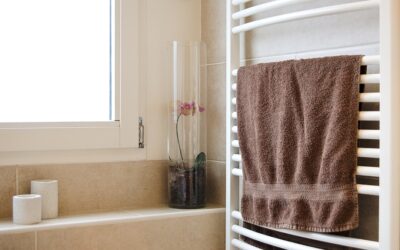
Stepping out of the shower onto a heated towel is one of those small daily luxuries that makes an ordinary bathroom feel like a five-star hotel. A luxury towel warmer does more than pamper you, though; it keeps towels dry and fresh between uses, fights the mildew smell that plagues humid bathrooms, and can even take the chill off the whole room. These heated racks have moved from high-end spas into everyday homes as prices have dropped and installation options have expanded, from simple plug-in models you hang in minutes to hardwired and hydronic systems built into a renovation. If you want that spa-at-home feeling, here is everything to know before choosing one.
More Than Just Warm Towels
The comfort factor is the obvious draw, but a towel warmer earns its place through practical benefits too:
- Dry, fresh towels: the gentle heat dries towels between uses, preventing the damp, musty smell that builds up in humid bathrooms.
- Mildew and moisture control: a warm rack discourages the mold and bacteria that thrive on perpetually damp towels.
- Supplemental heat: many models radiate enough warmth to take the chill off a small bathroom, useful in cold climates.
- Drying delicates and swimwear: handy for air-drying hand-washables, wet swimsuits, and gym gear.
- A touch of luxury: few upgrades deliver as much daily pleasure for the cost.
In a damp, cold-climate bathroom especially, the combination of comfort and moisture control makes a towel warmer genuinely useful, not just indulgent.
Electric vs. Hydronic
Towel warmers split into two heating technologies, and the choice shapes cost, installation, and performance. Electric models are by far the most common and contain a heating element, sometimes filled with a thermal fluid, that warms the bars when powered. They are simpler to install, work independently of your home’s heating, and can be turned on and off at will.
Hydronic models circulate hot water from your home’s boiler or hot-water heating system through the rack, tying into the same loop as radiators or radiant floor heat. They produce steady, even warmth and cost little to run if the boiler is already firing, but they require professional plumbing and only make sense during a renovation or in a home with hydronic heat. For most homeowners, an electric towel warmer is the practical choice; hydronic is a premium option for whole-house heating integration.
Hardwired vs. Plug-In
Within electric models, the installation method matters and determines whether you can DIY. Each has clear trade-offs:
- Plug-in: mounts to the wall and plugs into a standard outlet. The easiest option, fully DIY, and ideal for renters or quick upgrades. The visible cord is the main drawback.
- Hardwired: wired directly into the electrical system for a clean, cordless look, often with a wall timer or switch. Requires an electrician but looks far more finished and luxurious.
If a polished, cord-free appearance matters and you are already renovating, hardwired is worth the electrician’s fee. If you want warm towels this weekend without opening walls, a plug-in model delivers the same heat with zero wiring hassle. Many homeowners start with plug-in and upgrade to hardwired during a future remodel.
Styles and Configurations
Towel warmers come in several forms to suit different bathrooms and towel needs. Choosing the right style balances capacity with the space you have:
- Wall-mounted ladder racks: the classic look, with horizontal bars climbing a frame, holding several towels.
- Freestanding floor models: portable racks that plug in and move where needed, no mounting required.
- Towel warmer buckets and cabinets: enclosed units that heat rolled towels spa-style, often used in high-end baths.
- Radiator-style panels: flat or curved heated panels that double as a design statement and supplemental heater.
Match the size to your household. A single-person bath may need only a compact 4-bar rack, while a family bath benefits from a larger 6- to 10-bar model that can warm several towels at once.
Finishes and Design
A luxury towel warmer is a visible fixture, so the finish should coordinate with your bathroom hardware. Polished chrome is the timeless, spa-like standard and the most widely available. Brushed nickel offers a warmer, fingerprint-friendly neutral, while matte black makes a bold modern statement against light tile. Brushed gold and oil-rubbed bronze suit warmer and more traditional palettes. As with faucets and shower fixtures, matching the towel warmer’s finish to your other bathroom metals makes the whole room feel cohesive and intentional rather than pieced together. Curved and sculptural designs can also serve as a striking focal point on an otherwise plain wall.
Sizing and Placement
Getting the size and location right ensures the warmer is both useful and safe. Measure your wall space and account for the rack’s projection from the wall, typically 4 to 6 inches, so it does not intrude on the walkway. Mount it within easy reach of the shower or tub, about 40 to 48 inches off the floor for the bottom bar, so you can grab a warm towel as you step out.
For heat output, larger bathrooms and cold climates benefit from bigger racks with more bars and higher wattage. Keep the warmer away from direct water spray and follow the manufacturer’s clearance requirements. For hardwired and hydronic units, plan the rough-in location before the walls are closed during a renovation.
What a Towel Warmer Costs
Prices span a wide range depending on type and quality. Basic plug-in electric racks start around $80 to $200. Mid-range wall-mounted and hardwired electric models run $200 to $600, while premium designer and large radiator-style units climb to $600 to $1,500 or more. Hydronic systems land at $300 to $1,000 for the rack plus plumbing labor.
Installation adds to hardwired and hydronic options: an electrician typically charges $150 to $400 to hardwire a unit, and a plumber more for hydronic connections. Operating cost for an electric model is modest, often just pennies per hour, and using a timer to run it only during shower hours keeps energy use low. For most homeowners, a quality mid-range electric model in the $200 to $500 range delivers the full luxury experience without overspending.
Energy Use and Smart Controls
A common worry is that running a heated rack all day will spike the electric bill, but the reality is reassuring. Most electric towel warmers draw between 40 and 150 watts, roughly the same as a couple of light bulbs, so leaving one on for a few hours costs only pennies. Still, smart controls make them even more efficient and convenient.
Features worth looking for include:
- Built-in timers that switch the warmer on before your morning shower and off afterward, so it never runs needlessly.
- Programmable thermostats that hold a set temperature rather than running at full power continuously.
- Wi-Fi and app control on premium models, letting you warm the rack from bed or your phone before you get home.
- Boost modes that deliver quick, intense heat for a set period then return to a lower maintenance level.
Pairing a timer with an electric model is the single best way to enjoy warm towels every morning while keeping energy use negligible. For hydronic units tied to a boiler, the running cost is effectively folded into your existing heating, making them the cheapest to operate once installed. Either way, a towel warmer is far less of an energy draw than most homeowners assume.
The Bottom Line
A luxury towel warmer turns an everyday bathroom into a spa retreat while doing the practical work of keeping towels dry, fresh, and mildew-free. Start by choosing between electric, the simpler and more popular option, and hydronic, best suited to renovations with whole-house hot-water heat. Within electric, pick plug-in for an easy DIY install or hardwired for a clean, cordless look worth an electrician’s fee. Size the rack to your household, match the finish to your other fixtures, place it within reach of the shower, and add a timer to keep running costs low. For a few hundred dollars, you gain one of the most satisfying daily luxuries a bathroom can offer.