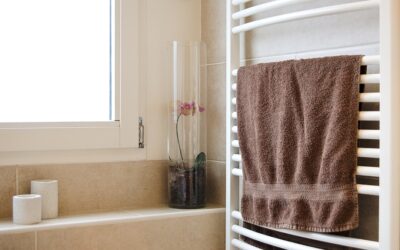
Stepping out of the shower onto a warm, dry towel is one of those small luxuries that feels disproportionately good, and a towel bar warmer delivers it for surprisingly little money or effort. Heated towel racks warm and dry towels between uses, cut down on the musty, damp smell that builds up in humid bathrooms, and add a spa-like touch that buyers notice. They range from $80 plug-in ladder racks you mount yourself to hardwired and hydronic systems integrated into a remodel. This guide explains the types, how to size and install one, and what it costs to run.
How a Towel Warmer Works
A towel warmer is essentially a heated rack — a series of bars or a ladder frame that warms to a comfortable temperature, gently drying and warming any towel draped over it. Beyond comfort, the real practical benefit is moisture control. A damp towel hung on a warmer dries within an hour or two instead of staying wet all day, which discourages the mildew and odor that plague humid bathrooms. In small or poorly ventilated baths, that drying effect alone justifies the purchase.
Electric vs. Hydronic
The first decision is the heat source, and it determines installation complexity.
- Electric: a sealed heating element warms the bars. Easy to install, works independently of your home’s heating system, and available as plug-in or hardwired. The most popular choice for retrofits.
- Hydronic: hot water from your home’s boiler circulates through the bars. Efficient if you already have hydronic heating, but it requires plumbing and is best planned during a remodel.
For most homeowners adding a warmer to an existing bathroom, an electric model is the practical pick.
Plug-In vs. Hardwired
Within the electric category, you have two wiring options. Plug-in models connect to a standard GFCI outlet and mount with screws — a genuine DIY project requiring no electrician. Hardwired models connect directly to your bathroom’s electrical and hide the cord for a cleaner look, but they require a licensed electrician and often a dedicated circuit. If you want the tidiest result and you’re already remodeling, hardwired wins; if you want it done this weekend, plug-in is the answer.
Sizing and Style
Towel warmers come in several formats. Match the size to your towels and wall space.
- Ladder/wall-mounted racks: the most common, holding two or more bath towels.
- Freestanding floor models: portable, no mounting, ideal for renters.
- Towel warmer cabinets: enclosed units that heat towels and robes to a higher temperature.
For a standard bathroom, a wall-mounted ladder rack roughly 20 to 24 inches wide and 30 to 40 inches tall holds two bath towels comfortably. Measure your wall and confirm the rack clears the towel bar height you prefer.
Running Costs
Heated towel racks are cheap to operate. A typical electric model draws roughly 60 to 150 watts — about the same as a couple of light bulbs. Run on a timer for a few hours a day, that translates to just a few dollars a month on most utility rates. Many models include a built-in timer or work with a smart plug, so you can program them to warm up before your morning shower and shut off automatically afterward, keeping costs minimal.
Installation Tips
Mounting a plug-in towel warmer is a straightforward afternoon job:
- Locate the unit near an outlet, ideally where the cord won’t be visible.
- Mount into wall studs or use heavy-duty anchors rated for the rack’s weight plus wet towels.
- Keep the warmer at least the manufacturer’s specified distance from the shower or tub.
- Use only a GFCI-protected outlet — required for safety in a bathroom.
- Add a timer or smart plug to automate heating and trim energy use.
For hardwired or hydronic units, bring in a licensed electrician or plumber.
Materials and Finishes
Towel warmers come in finishes that should coordinate with the rest of your bathroom hardware. Stainless steel is the most common and resists the constant humidity of a bathroom well, while chrome and polished nickel give a brighter, more traditional look. Matte black and brushed gold have grown popular for modern and transitional baths. Beyond looks, the metal affects heat retention slightly and durability significantly — stainless and quality chrome hold up to moisture far better than cheaper plated finishes that can pit over time. Match the warmer’s finish to your faucet, towel bars, and light fixtures so it reads as a deliberate design element rather than an add-on, and look for solid construction that won’t flex when loaded with heavy wet towels.
Common Buying Mistakes
A few avoidable errors lead to disappointment. Buying a rack that’s too small means towels hang folded and dry slowly, so size for your actual bath towels, not hand towels. Choosing a hardwired model without budgeting for an electrician adds unexpected cost. Skipping a timer means the unit runs all day and wastes energy, while mounting too close to the shower or into drywall without proper anchors leads to safety and stability problems. Finally, some buyers expect a towel warmer to heat the whole room — it won’t; it’s designed to warm and dry towels, not serve as a space heater. Set realistic expectations and match the unit to your wiring, wall, and towel size, and you’ll be happy with the result.
The Bottom Line
A towel bar warmer is one of the highest-comfort, lowest-cost upgrades you can add to a bathroom — warm towels, less mildew, and a spa feel for as little as a few dollars a month to run. Choose electric plug-in for an easy DIY retrofit or hardwired/hydronic for a built-in look during a remodel, size the rack to your towels, coordinate the finish with your hardware, and put it on a timer. The payoff in daily comfort far outweighs the modest investment.