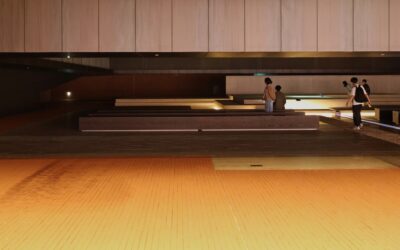
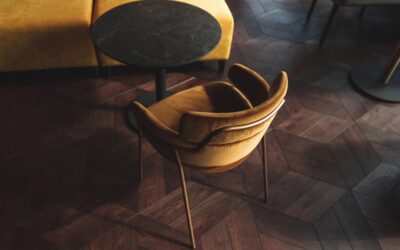
Spill a full glass of red wine on real hardwood and you’re racing to wipe it before it stains; spill it on luxury vinyl wood flooring and you can walk away and mop it up an hour later with zero damage. That waterproof toughness, combined with wood-look visuals so realistic that guests rarely notice the difference, is why LVP has become the fastest-growing flooring category in America. It gives you the warmth of oak or hickory without the fragility that makes real wood a gamble in kitchens, bathrooms, and basements.
It’s not flawless, though. Here’s the straight talk on where luxury vinyl wood flooring wins and where hardwood still holds an edge.
What Sets Luxury Vinyl Apart
Luxury vinyl plank isn’t the flimsy peel-and-stick tile of decades past. Modern LVP is a multi-layer plank: a photographic wood-grain layer under a clear wear layer, over a rigid or flexible core. The premium versions, SPC (stone plastic composite) and WPC (wood plastic composite), have a dense core that stays flat, feels solid underfoot, and clicks together into a floating floor. Embossed-in-register texturing follows the grain pattern, so the surface actually feels like wood where your eye sees grain.
The Pros
- 100% waterproof. The single biggest advantage. Use it anywhere, including full bathrooms and basements.
- Durable. A thick wear layer shrugs off pet claws, dropped toys, and heavy furniture.
- DIY-friendly. Click-lock planks float over most subfloors with no glue, nails, or special tools.
- Comfortable and quiet. Softer and warmer underfoot than tile, with less echo than laminate.
- Low maintenance. Sweep and damp mop. No sanding, sealing, or refinishing ever.
- Affordable. Costs a fraction of real hardwood installed.
The Cons
- It’s not real wood. Under close inspection and raking light, repeating patterns can reveal themselves.
- Can’t be refinished. When the wear layer finally wears out, you replace it rather than sand it.
- Adds less resale value than hardwood. Real wood still edges it out with some buyers.
- Dents under heavy point loads. Softer products can mark under piano legs and refrigerators without pads.
- Fades in strong sun. Cheaper planks can discolor by big south-facing windows over years.
How to Choose Quality Planks
Three specs separate a floor that lasts 20 years from one that looks worn in five:
- Wear layer (in mils): 12 mil for light residential use, 20 mil or more for homes with kids, pets, and heavy traffic. This is the most important number.
- Core type and thickness: Rigid SPC or WPC at 5mm to 8mm resists dents and hides subfloor imperfections better than thin flexible planks.
- Pattern variation: More unique plank designs per box (12-plus) reads far more like real wood than a floor recycling four patterns.
Prices to Expect
- Budget LVP: $1.50 to $3 per sq ft, thinner wear layers, fine for low-traffic rooms.
- Mid-range: $3 to $5 per sq ft, solid 12-20 mil wear layers and better visuals.
- Premium: $5 to $8 per sq ft, thick wear layers, realistic textures, wide planks.
- Installation: add $1 to $4 per sq ft if hiring a pro; DIY is free labor.
For a 300-square-foot room, expect $600 to $2,400 in materials, plus install if you hire out.
Where It Works Best
Luxury vinyl wood flooring shines exactly where real wood struggles. Put it in kitchens, where spills and dropped pans are constant. Use it in bathrooms and laundry rooms for full waterproofing. Basements love it because it tolerates concrete slab moisture. It’s a favorite in rental properties and busy family homes because it takes abuse and cleans up in seconds. About the only place I’d steer you toward real wood instead is a formal, low-traffic space where resale value and authenticity trump everything.
Installation Tips
Acclimate the planks in the room for 48 hours before laying them so they adjust to temperature and humidity. Get the subfloor flat, within 3/16 inch over 10 feet, because rigid planks can crack or flex over voids and high spots. Leave a 1/4-inch expansion gap around the entire perimeter, hidden under baseboard or quarter round, so the floor can move with temperature swings. Stagger the end joints at least 6 inches between rows for strength and a natural look. And add felt pads under furniture legs to prevent dents.
The Verdict
If you want the look of real wood with none of the water worries, refinishing chores, or fragility, luxury vinyl wood flooring is one of the smartest values in flooring today. Buy a 20-mil wear layer, choose a rigid SPC or WPC core, and pick a product with plenty of pattern variation. You’ll get a floor that looks like oak, survives your kids and dogs, and cleans up with a damp mop for two decades.
Luxury Vinyl vs Laminate
The two are often cross-shopped, and the deciding factor is usually water. Laminate has a fiberboard core that swells permanently if moisture reaches the seams, so it’s a poor fit for bathrooms and basements. Luxury vinyl is fully waterproof, which is its single biggest advantage. Laminate does tend to feel a little more like real wood underfoot and can cost slightly less, but LVP’s waterproofing, quieter feel, and softer surface win for most modern homes. If your space stays dry and budget is tight, laminate is fine. Anywhere near water, luxury vinyl is the safer call.
Click-Lock vs Glue-Down Installation
Luxury vinyl comes in two install formats, and each fits a different situation. Click-lock floating floors snap together over an underlayment with no adhesive, making them the easiest DIY option and simple to remove later. Glue-down planks bond directly to the subfloor, which gives the most solid, quiet feel and holds up best in very high-traffic or commercial settings, but the install is more involved and demands a clean, flat, fully cured subfloor. For most homeowners, click-lock is the practical choice; glue-down makes sense over uneven concrete or in spaces that see constant heavy use.
Prefer to explore on your own?
See how new flooring looks in your actual room in seconds — free, no signup.
Try the free Floor Studio →