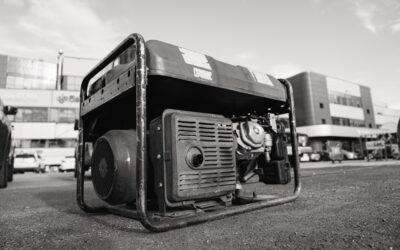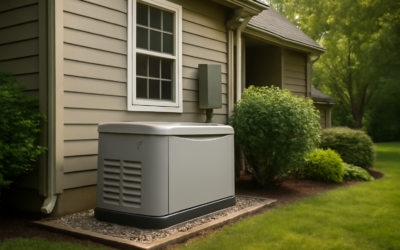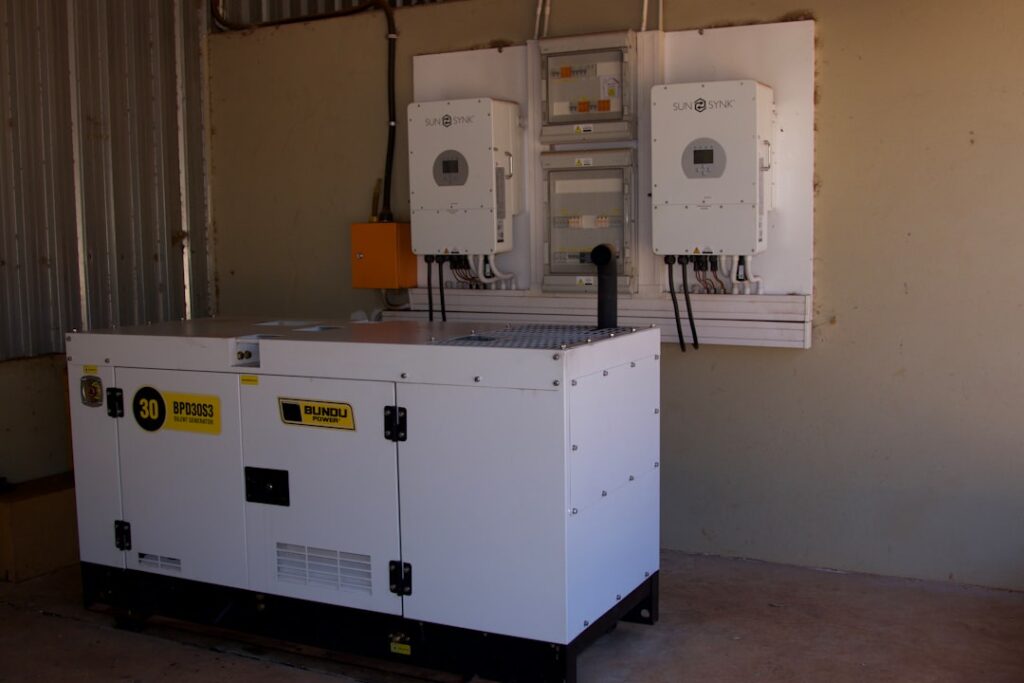
A manual transfer switch for a generator is the safe, code-compliant way to connect a portable generator to your home’s wiring during a power outage. Instead of running a spiderweb of extension cords through the house, you plug the generator into an inlet outside, flip a few switches, and power your furnace, fridge, well pump, and lights straight from your panel. It’s the right way to do this, and it must be installed by a licensed electrician under permit.
Let’s cover what a transfer switch actually does, the types available, what it costs, and why the wiring is never a DIY shortcut.
- What a Transfer Switch Does
- Why This Matters for Safety
- How a Manual Transfer Switch Works
- Types of Manual Transfer Switches
- Interlock Kits: A Related Option
- What It Costs
- Sizing the Switch to Your Generator and Needs
- Why You Don’t Do This Yourself
- Manual vs. Automatic Transfer Switches
- The Power Inlet Box
- Operating It Safely
- The Bottom Line
What a Transfer Switch Does
Your home is normally fed by the utility. A transfer switch is a device wired into your electrical system that lets you switch selected circuits from utility power over to generator power, and, crucially, physically prevents the two sources from ever being connected at the same time. That isolation is the entire point.
When the grid goes down, you start your generator outside, then use the transfer switch to feed power to your chosen circuits. When utility power returns, you switch back. The switch guarantees your generator can never send power back onto the utility lines.
Why This Matters for Safety
The reason a transfer switch is required by the National Electrical Code isn’t bureaucracy. Without proper isolation, generator power can travel backward onto the utility lines and electrocute a lineman working to restore your power, potentially fatally. It can also destroy your generator when utility power suddenly returns. A manual transfer switch makes that dangerous condition physically impossible by isolating your home from the grid whenever the generator is feeding it. This is precisely why the installation belongs to a licensed electrician working under a permit, never a weekend workaround.
How a Manual Transfer Switch Works
The “manual” part means you operate it by hand, as opposed to an automatic switch that senses an outage and starts a standby generator on its own. The basic sequence during an outage:
- The grid goes out.
- You roll the portable generator outside, well away from the house, and start it.
- You run a single heavy generator cord from the generator to a weatherproof power inlet box mounted on your home’s exterior.
- At the transfer switch inside, you flip the main to isolate from the utility and move your selected circuits to the generator source.
- Your chosen circuits now run on generator power while the utility remains fully disconnected.
When power returns, you reverse the steps and shut the generator down.
Types of Manual Transfer Switches
There are two main styles for home use:
- Circuit-selective (branch-circuit) transfer switch: a small subpanel with individual switches for 6 to 12 hand-picked circuits, like the furnace, fridge, well pump, and some lights. You choose which circuits to power and can manage the load per circuit. Ideal for portable generators.
- Whole-panel / service-entrance manual switch: a larger switch that transfers the entire main panel over to generator power. It requires a generator big enough to handle the whole home’s demand and careful load management to avoid overloading.
For most people running a portable generator, the circuit-selective type is the practical choice, since you rarely have enough generator wattage to run the whole house at once.
Interlock Kits: A Related Option
An interlock kit is a sliding metal plate installed on your existing panel that mechanically prevents the main breaker and a generator-input breaker from being on at the same time. It provides the same essential isolation as a transfer switch and lets you power any circuit in the panel, often at lower cost. Like a transfer switch, it must be installed by a licensed electrician under permit, and only kits listed for your specific panel are code-compliant. Whether you choose a transfer switch or an interlock, the licensed-install-and-permit rule is identical.
What It Costs
Budget for both parts and professional labor:
- Manual transfer switch (10-circuit): $200 to $500 for the switch itself.
- Power inlet box and cord: $60 to $200.
- Professional installation and permit: $400 to $1,200 depending on your panel, circuit count, and local labor rates.
- Total installed: commonly $600 to $1,800.
An interlock kit install often lands a bit lower, roughly $400 to $1,000 total, since the hardware is cheaper. Permit and inspection fees vary by jurisdiction but are non-negotiable.
Sizing the Switch to Your Generator and Needs
Match the switch to your generator and your priority circuits. First, list what you truly need during an outage, typically a furnace or boiler, refrigerator, well or sump pump, and a few lighting and outlet circuits. Then confirm your generator’s wattage can handle those loads together, remembering motor-driven items like well pumps and furnaces have high startup surges. A 10-circuit switch paired with a 5,000 to 7,500-watt portable generator covers essentials for most homes.
Why You Don’t Do This Yourself
Even confident DIYers should stop at the transfer switch. The install involves working in the main panel with the utility feed present, tying into circuits correctly, and passing inspection. Mistakes create shock, fire, and backfeed hazards. A licensed electrician sizes the switch, wires it to code, pulls the permit, and gets it inspected, which also keeps your homeowner’s insurance valid. The cost of professional installation is small compared to the risk of getting it wrong.
Manual vs. Automatic Transfer Switches
It helps to know where a manual switch sits in the range of options. An automatic transfer switch (ATS) is paired with a permanently installed standby generator: it senses the outage, starts the generator on its own, and transfers the load without you lifting a finger, then switches back and shuts the generator down when power returns. That convenience costs more, both for the switch and the standby generator behind it.
A manual transfer switch is the budget-friendly counterpart for a portable generator. You do the work, roll out the generator, plug in, and flip the switches, but you spend a fraction of what an automatic standby system costs. For occasional outages and homeowners who don’t mind stepping outside, a manual switch with a portable generator is the practical, affordable choice. Both provide the same essential grid isolation; they differ only in who does the switching.
The Power Inlet Box
The manual transfer switch works together with a weatherproof power inlet box mounted on the outside of your home, and it’s worth understanding this piece. The inlet box has a recessed male plug (often an L14-30 for 30-amp, 240-volt service) that your generator cord connects to. It’s rated for outdoor exposure with a spring-loaded cover, and it’s wired back to the transfer switch by the electrician. This is what lets you keep the generator outdoors at a safe distance while feeding power into the house through a single, properly rated connection rather than cords snaked through a window. Match the inlet, cord, and switch amperage to your generator’s outlet so everything is rated the same.
Operating It Safely
Once installed, follow the basics every outage:
- Run the generator outdoors only, at least 20 feet from the house with exhaust pointed away, never in a garage or enclosed space, because of carbon monoxide.
- Start the generator before transferring circuits, and let it stabilize.
- Don’t exceed the generator’s wattage; stagger large loads.
- Transfer back to utility power and shut the generator down when the grid returns.
The Bottom Line
A manual transfer switch for a generator is the correct, code-required bridge between a portable generator and your home’s wiring. It safely isolates your house from the grid, protects utility workers, and lets you power what matters during an outage without a mess of extension cords. Buy a quality circuit-selective switch or a listed interlock kit, size it to your real needs and generator, and have a licensed electrician install it under permit. Done right, it turns a stressful outage into a minor inconvenience.