Plugging a generator into a wall outlet with a homemade double-male cord is one of the most dangerous things a homeowner can do during an outage, because it can send power back down the utility line and electrocute a line worker. Generator transfer switch installation solves that problem by isolating your home from the grid before generator power ever reaches your circuits. It also lets you run hardwired loads like a furnace blower, well pump, or refrigerator circuit without a tangle of extension cords.
For most homes, a manual transfer switch for a portable generator costs roughly $500 to $1,500 installed, while an automatic transfer switch for a standby generator commonly runs $1,000 to $3,000 or more for the switch and labor alone. The work involves your main electrical panel, so it is a licensed electrician’s job with a permit and inspection in nearly every jurisdiction. Knowing how the process works helps you choose the right switch, pick the right circuits, and get accurate quotes.
- How Generator Transfer Switch Installation Works
- Manual vs Automatic: Which Household Generator Transfer Switch Fits
- Choosing Which Circuits to Back Up
- Step-by-Step: What the Electrician Does
- Transfer Switch Installation Cost Breakdown
- Safe Generator Use After Installation
- Troubleshooting Common Issues
- When to Call a Licensed Professional
- Frequently Asked Questions
- How much does it cost to install a transfer switch for a portable generator?
- Can I install a generator transfer switch myself?
- Is an interlock kit as safe as a transfer switch?
- How long does transfer switch installation take?
- What size transfer switch do I need?
- Where should the generator sit when using a transfer switch?
How Generator Transfer Switch Installation Works
A transfer switch sits between your utility service and selected household circuits. In one position, those circuits draw power from the grid. In the other, they draw from the generator. The switch is designed so both sources can never be connected at the same time, which is what prevents backfeed.
There are three common approaches to transfer switch installation:
- Manual transfer switch subpanel: a small prewired panel mounted next to your main panel, with 6 to 10 selector switches for chosen circuits. A power inlet box on the exterior wall connects to the portable generator with a rated cord.
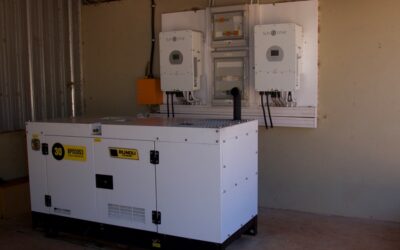
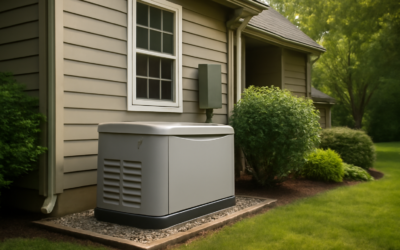
- Automatic transfer switch (ATS): used with permanently installed standby generators. It senses a utility outage, signals the generator to start, and transfers load within seconds, then switches back when grid power returns.
- Panel interlock kit: a sliding plate on the main panel that physically prevents the main breaker and a dedicated generator breaker from being on at the same time. It is often the lowest-cost option but must be listed for your specific panel model and accepted by your local inspector.
Each method achieves the same safety goal. The right one depends on your generator type, how many circuits you want to back up, and whether you need hands-off operation.
Manual vs Automatic: Which Household Generator Transfer Switch Fits
| Feature | Manual Switch | Automatic Switch |
|---|---|---|
| Generator type | Portable | Standby (permanent) |
| Operation | You start the generator and flip switches | Starts and transfers on its own |
| Typical installed cost | $500 to $1,500 | $1,000 to $3,000+ (switch and labor) |
| Circuits covered | Selected circuits, often 6 to 10 | Selected circuits or whole house |
A manual household generator transfer switch is the practical choice if you own a portable generator and experience a few outages a year. You roll the generator out, connect it at the inlet box, start it, and move the selected circuits over one at a time. An automatic system suits homes with medical equipment, sump pumps that cannot miss a beat, or owners who travel often. Automatic switches are usually sold and installed together with a standby generator, and total project costs, including the generator, gas line, and pad, frequently run from several thousand dollars up to well over $10,000.
If you plan to upgrade to a standby unit within a few years, ask your electrician whether the wiring and panel layout can be arranged now to make that transition easier.
Choosing Which Circuits to Back Up
Circuit selection is the most important decision you make before transfer switch installation, and it is tied directly to generator size. Add up the running watts of the loads you want, then account for the higher starting surge of motors like well pumps, refrigerators, and air handlers.
Common priorities include:
- Refrigerator and freezer: protects food during multi-day outages.
- Furnace blower or boiler controls: keeps heat running in winter, even when the fuel is gas or oil.
- Well pump: essential for homes on private water, and often a 240-volt circuit with a large startup draw.
- Sump pump: critical in basements prone to flooding during storms.
- A few lighting circuits and outlets: for phones, internet equipment, and basic living.
- Medical equipment: oxygen concentrators or CPAP machines if anyone in the home depends on them.
Central air conditioning, electric ranges, electric water heaters, and electric dryers draw heavy loads and are usually left off portable-generator setups. Your electrician will match breaker sizes and wire gauge on the switch to each circuit and confirm that the generator’s output, typically delivered through a 30-amp or 50-amp inlet, can carry what you choose.
Step-by-Step: What the Electrician Does
This overview is meant to help you understand the job and evaluate quotes. It is not a DIY guide. Transfer switch wiring happens inside your main panel, where the service conductors remain energized even with the main breaker off.
- Load assessment and permit: the electrician reviews your panel, picks circuits with you, sizes the switch or interlock, and pulls the required permit.
- Utility and safety shutdown: power to the panel is shut off at the main breaker and confirmed off with a non-contact voltage tester before any work begins. Some jobs require a utility disconnect.
- Mounting the switch: a manual transfer switch is mounted beside the main panel. An automatic switch is typically mounted near the meter or panel.
- Circuit transfer: the selected branch circuits are rerouted from the main panel through the transfer switch, following the manufacturer’s instructions and local code.
- Inlet box installation: for portable setups, a weatherproof power inlet is mounted on an exterior wall and wired to the switch. It should be located so the generator can run well away from doors, windows, and vents.
- Grounding and bonding: the electrician confirms the generator neutral and ground arrangement suits the switch type, which affects whether the generator’s neutral needs to be bonded or floating.
- Inspection and testing: after the inspector signs off, the system is tested by starting the generator and transferring each circuit.
Many installations are finished in half a day to a full day for a manual switch. Automatic switches with a standby generator take longer because they involve a concrete or composite pad, gas piping, and control wiring.
Transfer Switch Installation Cost Breakdown
The cost to install a transfer switch for a portable generator depends on several factors:
- Switch type and size: a basic 6-circuit manual switch costs less than a 10-circuit unit or a 200-amp automatic service-rated switch.
- Panel condition: older or crowded panels may need upgrades, adding several hundred dollars or more.
- Inlet location: a long run from the panel to the exterior inlet means more wire and conduit.
- Permits and inspection: fees vary widely, often $50 to $300.
- Regional labor rates: electricians in high-cost metro areas charge noticeably more per hour.
A panel interlock kit typically comes in at the low end, often $300 to $900 installed, while a full automatic transfer switch on a large service sits at the high end. Get at least two written quotes that list the switch model type, number of circuits, inlet rating, and permit fees so you can compare accurately.
Safe Generator Use After Installation
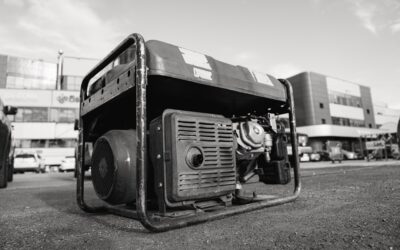
A transfer switch removes the backfeed hazard, but the generator itself still produces carbon monoxide, an odorless gas that can kill within minutes. Always run a portable generator outdoors, at least 20 feet from the house, with the exhaust pointed away from doors, windows, and vents. Never run one in a garage, basement, crawlspace, or covered porch, even with the door open. Install CO alarms on every level of the home and near sleeping areas, and test them monthly.
Other safe-operation habits:
- Use a generator cord rated for the inlet’s amperage, and inspect it for damage before each use.
- Let the generator cool before refueling, and store fuel in approved containers away from living spaces.
- Keep the generator dry during storms with a purpose-made cover or canopy that does not trap exhaust.
- Transfer circuits one at a time to avoid overloading the generator with simultaneous motor starts.
- Schedule annual maintenance for standby units, including oil, filters, and a load test.
Troubleshooting Common Issues
- Generator trips its breaker when switching circuits: too much load at once. Transfer circuits one by one, starting with the largest motor load.
- Some lights work but not others: those circuits likely were not moved to the transfer switch. Ask your electrician about adding them.
- Automatic switch does not transfer: check that the generator is in auto mode, the battery is charged, and there are no active fault codes, then call the installer.
- GFCI outlets trip on generator power: this can happen with certain neutral-bonding setups. Have the electrician confirm the generator and switch are configured correctly.
When to Call a Licensed Professional
Every part of generator transfer switch installation that touches the main panel, service conductors, or permanent wiring should be performed by a licensed electrician with a permit and inspection. Service conductors inside the panel stay live even with the main breaker off, and mistakes can cause fatal shock, fires, or dangerous backfeed onto utility lines. Standby generators also involve gas piping, which requires a licensed gas fitter or plumber and a leak test. If you ever smell gas, leave the home immediately and call your gas utility from outside.
Homeowners can safely handle choosing circuits, sizing the generator, buying a rated cord, and learning the start-up and transfer routine. Leave everything behind the panel cover to the pros.
Frequently Asked Questions
How much does it cost to install a transfer switch for a portable generator?
Most homeowners pay roughly $500 to $1,500 for a manual transfer switch and inlet box installed by a licensed electrician, including permit fees, with panel upgrades or long wire runs adding more.
Can I install a generator transfer switch myself?
It is not recommended. The work happens inside the main panel where service wires stay energized, and most jurisdictions require a licensed electrician, a permit, and an inspection.
Is an interlock kit as safe as a transfer switch?
A listed interlock kit designed for your specific panel prevents backfeed when installed correctly and accepted by your inspector. It covers the whole panel but requires you to manage loads manually.
How long does transfer switch installation take?
A manual transfer switch is often installed in half a day to a full day. Automatic switches paired with a standby generator can take one to three days including pad and gas work.
What size transfer switch do I need?
Match the switch to your generator’s output, commonly 30-amp or 50-amp for portables, and to the number of circuits you want to back up. An electrician will verify the sizing.
Where should the generator sit when using a transfer switch?
Outdoors, at least 20 feet from the house, with exhaust directed away from doors, windows, and vents, and never inside a garage or enclosed space.