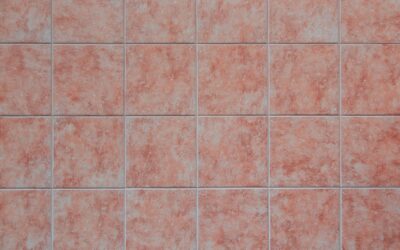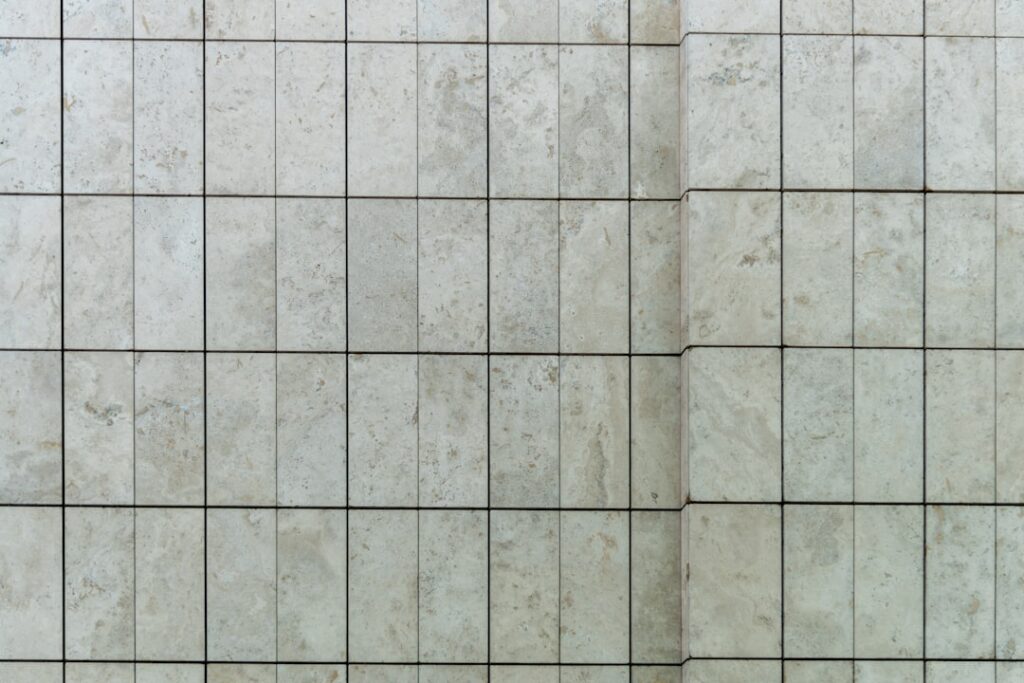
Stand in a showroom and a marble tile and a marble-look porcelain tile can look nearly identical from three feet away, yet they behave like completely different materials once they’re on your floor. The marble vs porcelain tile decision comes down to a trade-off between the irreplaceable depth of genuine stone and the near-bulletproof practicality of engineered porcelain. One is a natural, porous stone that ages with patina and demands care; the other is a manufactured, waterproof workhorse that mimics the look for less money and less worry. Knowing where each wins keeps you from a costly regret.
Part of our Countertops guide — explore the full guide →
Marble vs Porcelain Tile: The Core Difference
At its heart, the marble vs porcelain tile question is natural versus manufactured. Marble is quarried metamorphic limestone, prized for the veining and translucency that no two slabs share, but it’s porous and relatively soft, rating just 3 to 5 on the Mohs hardness scale. Porcelain is clay fired at over 2,200°F until it vitrifies into a dense, glass-like body that absorbs less than 0.5 percent water. That single fact, water absorption, explains most of the practical differences that follow: porcelain shrugs off spills and freeze-thaw cycles, while marble drinks in whatever sits on it.
Comparing the Two at a Glance
Here’s how the materials stack up on the factors that matter day to day:
| Factor | Marble | Porcelain |
|---|---|---|
| Cost installed | $15 to $40 per sq ft | $8 to $20 per sq ft |
| Water absorption | Porous, needs sealing | Under 0.5%, waterproof |
| Hardness | Soft, scratches and etches | Very hard, scratch-resistant |
| Maintenance | Reseal every 6 to 12 months | Minimal, just clean |
| Look | Unique natural veining | Consistent, printed pattern |
The pattern is clear: marble buys beauty and prestige, porcelain buys durability and low upkeep.
Durability and Where Each Fails
Real-world wear separates these two fast. Porcelain resists scratches, chips, and stains, handles heavy foot traffic, and is rated for outdoor and freeze-prone areas, making it the safer pick for entryways, mudrooms, and busy kitchens. Marble, being softer and calcium-based, etches when acids touch it, meaning a spilled glass of orange juice, a splash of wine, or a squirt of lemon leaves a dull mark that no cleaning removes; it has to be polished out. Marble also scratches from grit tracked underfoot and can chip at edges. In a household with kids, pets, and a lot of cooking, porcelain simply survives better.
Maintenance Reality Check
This is where many homeowners underestimate marble. Natural marble must be sealed with a penetrating stone sealer on installation and resealed every 6 to 12 months, more often in wet areas, or it stains permanently from oil, coffee, and cosmetics. You must use pH-neutral cleaners only, since acidic and abrasive products etch the surface. Porcelain, by contrast, needs nothing more than routine sweeping and a damp mop with ordinary cleaner; the only real upkeep is keeping the grout lines clean, and even that is eased by using an epoxy grout or a grout sealer. If low maintenance is a priority, porcelain wins decisively.
Cost Over the Life of the Floor
Sticker price is only half the story. Marble runs $15 to $40 per square foot installed, and premium varieties like Calacatta or Statuario climb well beyond that. Porcelain lands at $8 to $20 per square foot installed, with high-end large-format and marble-look lines at the upper end. But factor in marble’s ongoing sealer, specialized cleaners, and eventual professional polishing to remove etching, and its lifetime cost climbs further. Porcelain’s near-zero maintenance and long service life often make it the better value unless the genuine-stone look is the whole point of the project.
Looks and Resale Appeal
Aesthetics are where marble still holds a genuine edge, and it’s worth being honest about it. Real marble has a depth, translucency, and one-of-a-kind veining that even the best printed porcelain can’t fully replicate up close, and in a high-end bathroom or a formal foyer it signals luxury that buyers notice. Marble-look porcelain has improved enormously, with high-definition inkjet printing and large-format slabs that convince from a normal viewing distance, and it avoids the repeating-pattern giveaway of cheaper tiles. For a spa-like primary bath where you’ll baby the surface, marble delivers. For a floor that must look good and take abuse, porcelain’s imitation is more than good enough.
Choosing the Right Tile for Each Room
Match the material to the room’s demands and your tolerance for upkeep. Use porcelain for floors, entryways, kitchens, laundry rooms, shower floors, and any outdoor application, where its water resistance and toughness pay off daily. Reserve genuine marble for lower-traffic showcase spots like a powder room vanity backsplash, a fireplace surround, or a primary-bath feature wall, where its beauty shines and it won’t take a beating. Many homeowners split the difference brilliantly: marble-look porcelain on the floor for durability, with a modest amount of real marble as an accent where hands and eyes linger. That way you get the look you love and the performance you need in the marble vs porcelain tile debate.
Installation Differences That Affect Cost and Timeline
The two materials install differently, and those differences quietly shape your labor bill. Marble is soft enough to scratch during handling and must be cut with a continuous-rim wet blade to avoid chipping, and installers often charge more because it’s less forgiving and slower to set. It also frequently calls for a white thinset and non-staining grout, since gray thinset can bleed through translucent light-colored stone and shadow the surface permanently. Marble should be sealed before grouting so the porous stone doesn’t absorb pigment from the grout, adding a step that porcelain skips entirely.
Porcelain’s extreme hardness cuts the other way: it’s dimensionally stable and stain-proof, but that same density makes it tough to cut cleanly, so installers need quality diamond blades and, for large-format slabs, a rail cutter and suction handling tools. Large-format porcelain, anything over 15 by 30 inches, also demands a very flat substrate and a leveling-clip system to prevent lippage between tiles, which adds labor. Budget for these realities: marble installs commonly run $8 to $15 per square foot in labor, while standard porcelain runs $5 to $12, climbing for large-format.
Slip resistance and finish options
Finish choice matters for safety, especially on floors and in wet areas. Polished marble and polished porcelain both get slick when wet, so for shower floors and entries choose a honed or textured finish with a higher coefficient of friction, ideally 0.42 or above on the DCOF scale that many codes reference. Marble comes honed, polished, or tumbled, each changing both the look and the grip. Porcelain offers matte, textured, and even wood- and stone-look surfaces with anti-slip ratings printed right on the box.
One practical edge for porcelain is through-body and rectified options. A through-body porcelain carries its color and pattern all the way through, so a chip on an edge is far less visible than on a glazed tile or on marble that reveals a different tone beneath the polish. Rectified porcelain has precisely cut, squared edges that allow tight grout joints as narrow as 1/16 inch for a nearly seamless modern look, something natural marble’s irregular edges can’t match without extensive on-site fabrication.
Environmental and resale considerations
Sustainability and long-term value increasingly factor into the choice. Marble is a quarried natural resource with real extraction and shipping impacts, especially the premium Italian varieties freighted across the ocean, though it lasts effectively forever if maintained and never needs replacing. Porcelain is manufactured in high-temperature kilns, an energy-intensive process, but many lines now incorporate recycled content and are produced domestically, trimming transport emissions. Neither is clearly greener across the board; the honest takeaway is that a floor you install once and keep for decades beats any material you have to tear out and redo.
On resale, genuine marble still carries a luxury signal that appraisers and buyers respond to in higher-end homes, particularly in a primary bath or entry where it telegraphs quality. But in a mid-market house, buyers care more about a floor that looks current and is obviously durable and low-maintenance, which is exactly porcelain’s pitch, and marble-look porcelain gives you the visual appeal without the fragility that can worry a buyer with kids. When you weigh marble vs porcelain tile for a project, factor in how long you’ll stay, who the eventual buyer is, and how much daily babying you’re truly willing to do, because the right answer is as much about your household as about the materials themselves.
Prefer to explore on your own?
See how new flooring looks in your actual room in seconds — free, no signup.
Try the free Floor Studio →