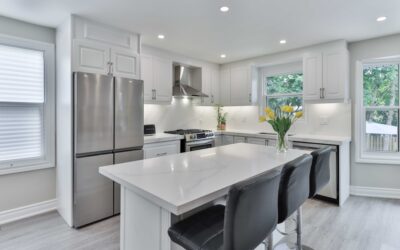
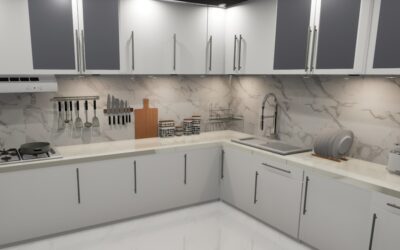
A marsh island kitchen draws its inspiration from the muted colors and organic textures of coastal wetlands, blending soft greens, weathered woods, and natural fibers into a calm, grounded space. Unlike bright nautical themes, the marsh palette feels understated and earthy. This guide explains the defining elements, color choices, materials, island layouts, dimensions, costs, and styling details that bring a serene lowcountry-inspired kitchen to life.
Part of our Kitchen Remodeling guide — explore the full guide →
- What Defines a Marsh Island Kitchen
- The Marsh Color Palette
- Choosing the Island as Focal Point
- Natural Materials That Work
- Ideal Island Dimensions
- Lighting for a Marsh Mood
- Flooring Choices
- Hardware and Fixtures
- Cost Considerations
- Styling and Accessories
- Backsplash Ideas for a Marsh Kitchen
- Open Shelving and Display
- Windows and Natural Light
- Bringing in Living Elements
- Adapting the Look for Small Kitchens
- Common Mistakes
- Frequently Asked Questions
- Final Thoughts
What Defines a Marsh Island Kitchen
The marsh aesthetic captures the quiet tones of tidal grasslands: sage and sea-grass greens, sandy taupes, driftwood grays, and soft whites. Textures matter as much as color, with woven pendants, unlacquered brass, honed stone, and reclaimed wood adding depth. The overall feeling is relaxed and timeless rather than trendy, evoking the low, hazy horizon of a coastal marsh at dawn.
The Marsh Color Palette
Anchor the room with a muted green on the lower cabinets or island, such as a sage or eucalyptus tone. Keep perimeter cabinets and walls in warm whites and greige to reflect light. Introduce driftwood browns through open shelving or flooring, and accent with aged brass hardware. This layered, low-contrast palette is what separates a marsh kitchen from a stark modern coastal look.
Choosing the Island as Focal Point
In a marsh island kitchen, the island often carries the boldest color or the most natural material. A reclaimed-wood island against pale perimeter cabinets creates the earthy contrast the style is known for. Alternatively, a sage-painted island with a honed marble or soapstone top feels soft and organic. The island becomes the visual anchor, so its material and tone set the room’s mood.
Natural Materials That Work
Favor materials with visible texture and imperfection. Honed marble, soapstone, and leathered granite suit the honed, matte look better than high-gloss quartz. Reclaimed oak or cypress adds authentic weathering. Woven rattan bar stools, linen roman shades, and jute runners reinforce the organic feel. Unlacquered brass faucets and pulls develop a living patina that fits the aged, coastal character.
Ideal Island Dimensions
Size the island to the room. A comfortable island runs 48 to 96 inches long and 36 to 42 inches deep, with 36 to 42 inches of clearance around it. Standard counter height is 36 inches; add a 12 to 15 inch overhang for seating. In larger lowcountry-style kitchens, a generous 10-foot island with two seating sides suits the relaxed, gathering-focused nature of the style.
Lighting for a Marsh Mood
Lighting should feel soft and warm. Choose woven or rattan pendants over the island, hung 30 to 36 inches above the counter. Use warm 2700K bulbs to mimic golden coastal light. Layer in under-cabinet lighting for tasks and a dimmer on the pendants so the room can shift from bright morning prep to a low, atmospheric evening glow that echoes marsh twilight.
Flooring Choices
Wide-plank engineered oak in a weathered gray-brown finish is a natural fit and stands up to coastal humidity better than solid wood. For a more durable option, large-format porcelain tile in a sandy limestone look resists moisture and sand tracked in from outside. Whatever you choose, keep the tone warm and muted so the floor grounds the palette rather than competing with the island.
Hardware and Fixtures
Aged and living finishes carry the theme. Unlacquered brass or oil-rubbed bronze pulls, bin latches, and cup handles feel appropriately timeworn. A bridge or gooseneck faucet in brass suits a farmhouse apron sink. Avoid bright chrome and polished nickel, which read too crisp and modern for the softened, weathered marsh aesthetic you are aiming to create.
Cost Considerations
A marsh-style kitchen refresh using paint, hardware, and lighting can start around $4,000 to $8,000. A full remodel with custom sage cabinetry, a reclaimed-wood island, honed stone counters, and brass fixtures typically runs $30,000 to $70,000 depending on size and finishes. Reclaimed materials and natural stone add cost but deliver the authentic texture the style depends on, so prioritize them where they show most.
Styling and Accessories
Finish the look with organic accents: a bowl of oyster shells, dried marsh grasses in a stoneware vase, linen tea towels, and wooden cutting boards displayed on the counter. Open shelving styled with simple ceramics keeps the space feeling airy. Restraint is key, since the marsh look relies on calm negative space rather than busy decoration.
Backsplash Ideas for a Marsh Kitchen
The backsplash should reinforce the soft, organic palette rather than introduce sharp contrast. Handmade zellige tile in a sea-glass green or sandy off-white brings subtle variation and a matte, artisanal surface that suits the style. Tumbled marble or limestone mosaics echo the weathered coastal feel. For a quieter look, extend the honed countertop stone a few inches up the wall as a low backsplash. Avoid glossy, brightly colored tile, which fights the muted marsh tones and pushes the room toward a busier, more modern coastal aesthetic.
Open Shelving and Display
Open shelving is a natural fit for the marsh look, provided it is styled with restraint. Reclaimed-wood floating shelves against a plaster or tile wall display simple stoneware, woven baskets, and a few pieces of aged brass or pewter. The goal is calm negative space, not a crowded gallery. Because the palette relies on texture, mixing matte ceramics with natural wood and a touch of linen creates depth without color clutter. Keep everyday items behind cabinet doors so the open shelves stay curated and serene.
Windows and Natural Light
Marsh kitchens thrive on soft, diffused daylight that mimics the hazy light over coastal wetlands. Keep window treatments light and natural, such as linen roman shades or woven wood blinds, which filter sun without blocking it. If privacy allows, leaving windows largely unadorned maximizes the airy feel. Position the island to take advantage of a window view where possible, and choose warm-toned finishes that glow rather than glare under natural light. The interplay of daylight and matte surfaces is central to the mood.
Bringing in Living Elements
Plants and natural materials keep a marsh kitchen feeling alive and grounded. Potted herbs on the windowsill, a trailing pothos on a shelf, or a simple arrangement of dried grasses in a stoneware vessel echo the wetland inspiration. A bowl of lemons or a wooden tray of everyday essentials adds casual warmth. These organic touches reinforce the connection to nature that defines the style, and they are easy and inexpensive ways to complete the look without a full renovation.
Adapting the Look for Small Kitchens
You do not need a large lowcountry kitchen to capture the marsh aesthetic. In a compact space, keep perimeter cabinets light and reflective, then introduce the earthy element through a single sage-painted section, a wood open shelf, or natural-fiber accents. A modest island or even a movable butcher-block cart in weathered wood can stand in for a full island. Prioritizing the muted palette, honed textures, and warm lighting lets a small kitchen feel just as serene and coastal as a large one.
Common Mistakes
Overusing bright blues and rope decor pushes the room toward a themed nautical look instead of a subtle marsh palette. High-gloss surfaces clash with the honed, matte character. Too much contrast breaks the soft, layered feel. Finally, neglecting texture leaves the room flat, since the marsh aesthetic depends on woven, weathered, and natural surfaces to feel complete.
Frequently Asked Questions
What is the main color of a marsh kitchen? Muted sage green paired with sandy neutrals and driftwood browns. Does it work in small kitchens? Yes, keep the palette light and let a single natural-wood accent stand in for a full island. Is brass hard to maintain? Unlacquered brass patinas naturally; embrace it or wipe with a polish to keep it bright.
Final Thoughts
A thoughtfully designed marsh island kitchen trades loud coastal cliches for a calm, layered palette of soft greens, weathered wood, and natural texture centered on a standout island. Focus on muted color, honed materials, warm lighting, and organic accessories, and let the island anchor the room. The result is a serene, timeless kitchen that feels rooted in the quiet beauty of the coastal wetlands it takes its name from.