Understanding mini split price means looking beyond the sticker on the equipment to the size, number of zones, efficiency rating, and installation labor that make up the total. A ductless mini split heats and cools without ductwork, offering room-by-room control and high efficiency. This guide breaks down costs by capacity, zone count, and features so you can budget accurately.
- What Drives Mini Split Cost
- Sizing by BTU
- Single-Zone System Prices
- Multi-Zone System Prices
- Efficiency Ratings and Their Cost Impact
- Installation Labor Costs
- Brand Tiers and Pricing
- DIY Mini Split Kits
- Additional Cost Factors
- Ways to Save
- Operating Costs Over Time
- Ceiling and Floor Mounted Head Options
- Maintenance Costs and Longevity
- Comparing Mini Splits to Other Systems
- Getting Accurate Quotes
- Final Thoughts
What Drives Mini Split Cost
Several factors set the price: the heating and cooling capacity in BTUs, whether it is a single-zone or multi-zone system, the efficiency rating (SEER2 and HSPF2), the brand tier, and the complexity of installation. A basic single-room unit is far cheaper than a whole-home multi-zone system. Labor often equals or exceeds the equipment cost, so the installed price is what matters most for budgeting.
Sizing by BTU
Mini splits are sized in BTUs to match the room. A rough guide is 20 BTU per square foot, so a 400-square-foot room needs about 9,000 BTUs, a 700-square-foot space around 12,000 to 18,000 BTUs, and larger open areas 24,000 to 36,000 BTUs. Common single-zone sizes are 9,000, 12,000, 18,000, and 24,000 BTUs. Oversizing wastes money and causes short cycling, while undersizing leaves rooms uncomfortable, so proper sizing is key.
Single-Zone System Prices
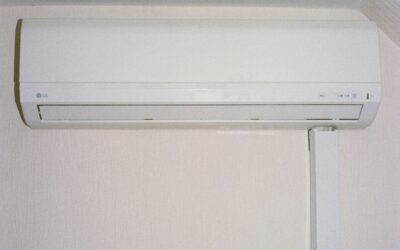
A single-zone mini split, which pairs one outdoor condenser with one indoor air handler, is the most affordable entry point. Equipment alone typically runs $1,000 to $3,000 depending on capacity and efficiency. Installed, expect roughly $2,500 to $5,000 for a single-zone system. A 9,000 to 12,000 BTU unit for a bedroom or small addition sits at the lower end, while high-efficiency 24,000 BTU units cost more.
Multi-Zone System Prices
Multi-zone systems connect several indoor heads to one outdoor unit, cooling and heating multiple rooms independently. Costs scale with the number of zones. A two-zone system typically runs $4,000 to $8,000 installed, a three-zone system $6,000 to $12,000, and four to five zones $9,000 to $18,000 or more. Each additional indoor head adds equipment and labor, but multi-zone is still often cheaper than installing central ductwork in a home that lacks it.
Efficiency Ratings and Their Cost Impact
Higher efficiency raises the purchase price but lowers operating costs. SEER2 measures cooling efficiency and HSPF2 measures heating efficiency. Standard mini splits offer SEER2 ratings around 15 to 18, while premium hyper-heat models reach SEER2 ratings of 20 to 30-plus and maintain strong heating output well below freezing. The efficiency premium can add $500 to $2,000 but pays back through lower electric bills, especially in extreme climates.
Installation Labor Costs
Professional installation is a major part of the total. Labor typically runs $1,000 to $3,000 per system depending on how many heads, the length of the refrigerant line set, electrical work needed, and mounting difficulty. Installers must handle refrigerant per EPA Section 608 rules, pull a permit, run a dedicated circuit, and vacuum and charge the lines. This is why DIY is limited and professional installation is strongly recommended.
Brand Tiers and Pricing
Premium brands like Mitsubishi and Daikin command higher prices, often 20 to 40 percent above value brands, but offer proven reliability, quiet operation, and strong cold-climate heating. Mid-tier brands such as Fujitsu and LG balance cost and performance. Budget and DIY-oriented brands like MRCOOL cost less and offer pre-charged line sets for easier installation. Match the brand tier to your climate demands and how long you plan to stay in the home.
DIY Mini Split Kits
Some brands sell DIY-friendly kits with pre-charged refrigerant lines and quick-connect fittings, priced around $1,000 to $2,500 for a single zone. These let a handy homeowner install without a refrigerant license, potentially saving on labor. However, you still need electrical work that often requires a licensed electrician and a permit, and improper installation can void the warranty. Weigh the savings against the risk before going DIY.
Additional Cost Factors
Budget for extras: a longer line set beyond the included length adds cost, electrical panel upgrades may be needed for the dedicated circuit, and a condenser pad or wall bracket adds a small amount. Line-set covers for a clean exterior look, condensate pumps for below-grade heads, and Wi-Fi control modules also add to the total. In cold climates, a hyper-heat model and a base pan heater raise the price but ensure winter performance.
Ways to Save
Look for federal, state, and utility rebates, which can total hundreds to a few thousand dollars for high-efficiency heat pump mini splits. Federal tax credits are available for qualifying ENERGY STAR systems. Get at least three installer quotes, since labor prices vary widely. Choosing the right size avoids overpaying for capacity you do not need, and installing during the off-season may fetch better contractor pricing.
Operating Costs Over Time
Beyond purchase, factor running costs. Mini splits are highly efficient, often costing less to run than window units, baseboard heat, or older central systems. A single-zone unit might add $30 to $80 per month to electric bills during heavy use, depending on local rates and efficiency. The energy savings from a high-SEER2 system help offset its higher upfront price over the 15 to 20 year lifespan.
Ceiling and Floor Mounted Head Options
Most mini split prices assume a standard wall-mounted air handler, but other head styles cost more. Ceiling cassette units that mount flush in a dropped ceiling run several hundred dollars more per head and require more involved installation. Floor-mounted consoles, popular in rooms with limited wall space or under large windows, sit at a middle price point. Concealed ducted air handlers that hide in a ceiling or closet and feed short duct runs are the priciest indoor option but give a nearly invisible result. Choosing anything beyond a basic wall head raises the per-zone cost.
Maintenance Costs and Longevity
Mini splits are relatively low-maintenance but not maintenance-free. Homeowners should rinse or wash the indoor filters monthly and clean the outdoor coil seasonally, which costs nothing but time. A professional tune-up every year or two runs about $100 to $250 and includes checking refrigerant charge and cleaning the blower and coils. Over a 15 to 20 year lifespan, budget for occasional part replacement. Well-maintained systems hold their efficiency and rarely need major repairs, while neglected units lose performance and can fail early, adding unexpected cost.
Comparing Mini Splits to Other Systems
When weighing the price, compare mini splits against the alternatives for your situation. Adding central ductwork to a home that lacks it often costs more than a multi-zone mini split while being far more disruptive. Window air conditioners are cheaper upfront but less efficient, noisier, and heat-only in reverse-cycle models is uncommon. For additions, garages, and older homes without ducts, a mini split frequently wins on both installed cost and long-term operating expense, which is why they have become the go-to solution for room-by-room comfort.
Getting Accurate Quotes
Because installation is such a large share of the total price, getting several detailed quotes is the best way to control cost. Ask each installer to specify the equipment brand and model, the BTU capacity per zone, the SEER2 and HSPF2 ratings, the line-set length included, and whether electrical work and permits are part of the price. A proper installer should perform a load calculation rather than guessing at sizing, since an oversized system costs more upfront and runs inefficiently. Comparing itemized quotes rather than lump sums reveals where prices differ and helps you spot a bid that skimps on electrical work or uses a lower-tier unit to appear cheaper.
Final Thoughts
The mini split price you ultimately pay depends on capacity, zone count, efficiency, brand, and installation complexity, with installed single-zone systems commonly $2,500 to $5,000 and multi-zone systems climbing into the tens of thousands. Size the system correctly, weigh efficiency against your climate, chase available rebates, and compare multiple installer quotes. Done right, a mini split delivers efficient, room-by-room comfort that justifies its cost.