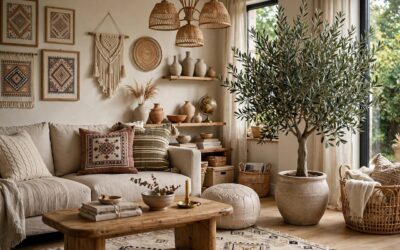
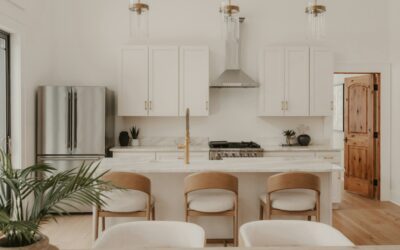
At first glance the two styles seem to contradict each other, but a well-executed minimalist boho kitchen proves they belong together. Minimalism brings the clean lines, uncluttered counters, and calm restraint; bohemian style adds the natural texture, warmth, and lived-in soul that keep a minimal space from feeling cold. The blend works because both styles love natural materials and honest simplicity. The art is in the balance, enough texture and personality to feel inviting, enough restraint to stay serene.
Part of our Kitchen Remodeling guide — explore the full guide →
- Start with a Warm Neutral Base
- Let Natural Materials Do the Work
- Practice Restraint with Open Shelving
- Bring in Plants and Greenery
- Choose Lighting and Hardware with Intention
- Add Soul with a Few Curated Accents
- Flooring That Anchors the Style
- Color Accents Within the Neutral Scheme
- Keep Counters Clear
- The Bottom Line
Start with a Warm Neutral Base
The foundation of this look is a soft, warm neutral palette rather than stark white. Think creamy off-whites, warm greige, oatmeal, sand, and gentle taupe on the walls and cabinetry. These tones give you the clean, airy feel of minimalism but with an earthy warmth that reads as boho. Avoid cool grays and brilliant whites, which tip the room toward austere.
Keeping cabinets and walls in the same warm tonal family makes the space feel cohesive and quietly luxurious, letting texture and a few accents do the talking.
Let Natural Materials Do the Work
Texture is the heart of boho, and natural materials carry it without adding clutter. This is where the two styles meet most beautifully. Picture:
- Wood: Warm oak or walnut on open shelves, a butcher-block counter, or a wood range hood adds organic warmth.
- Stone: Honed natural stone or a simple soapstone counter feels grounded and tactile.
- Rattan and cane: Woven barstools or a cane-front cabinet bring instant boho softness.
- Clay and ceramic: Handmade terracotta pots, stoneware, and zellige-style tile add subtle, artisanal texture.
- Linen and jute: A linen window shade or a jute runner softens hard surfaces underfoot.
Mixing a few of these, rather than all of them, keeps the look layered but never busy.
Practice Restraint with Open Shelving
Open shelving is a boho favorite, but minimalism keeps it from becoming a cluttered display. The trick is curation. Style a couple of open shelves with a small, intentional collection, a stack of handmade bowls, a few earthenware mugs, a trailing plant, leaving breathing room around each piece. Negative space is the secret ingredient that lets the styled items feel deliberate rather than crowded.
If open shelving feels like too much upkeep, mix a single open shelf with closed cabinetry so most clutter stays hidden and counters remain clear.
Bring in Plants and Greenery
No boho kitchen is complete without plants, and they happen to be the perfect minimalist accent because they add life and color without permanent commitment. A trailing pothos on a shelf, a potted herb garden by the window, or a single statement plant in a textured pot brings the room to life. Greenery softens hard edges and reinforces the natural, organic feel at the core of this style.
Stick to a few healthy plants rather than a jungle; in a minimalist scheme, two or three well-placed plants read intentional, while a dozen tips into clutter.
Choose Lighting and Hardware with Intention
Lighting is an easy place to inject boho character into a clean space. A woven rattan pendant or a simple matte-black fixture over an island makes a quiet statement. For hardware, choose warm metals like brushed brass or aged bronze, or skip visible pulls entirely on lower cabinets for the cleanest minimalist line.
Keep fixtures consistent in finish so the eye reads calm. One or two materials repeated throughout feel intentional; a mix of competing metals feels accidental.
Add Soul with a Few Curated Accents
The boho spirit lives in personal, handmade touches, but restraint keeps them from overwhelming. Pick a small number of meaningful accents:
- A patterned or vintage runner with subtle, earthy colors.
- A piece of handmade pottery or a wooden bowl filled with fruit.
- Simple, unframed art or a small woven wall hanging.
- Natural-fiber or linen tea towels in muted tones.
Let each accent earn its place. The goal is a kitchen that feels personal and collected over time, not styled all at once.
Flooring That Anchors the Style
The floor sets the foundation for a minimalist boho kitchen, and natural materials work best here too. Wide-plank wood or warm wood-look luxury vinyl in a honey or natural oak tone grounds the space and echoes the organic theme. Terracotta or matte clay-toned tile leans into the boho side with earthy warmth, while large-format neutral porcelain keeps things clean and minimal. Whatever you choose, favor warm, muted tones over cold gray to keep the room inviting.
Layer a single natural-fiber runner, jute, sisal, or a flatweave with a subtle pattern, in front of the sink or island to add softness and a touch of boho texture without cluttering the floor. One well-chosen rug does more than several competing ones.
Color Accents Within the Neutral Scheme
Minimalist boho does not mean colorless. The trick is to introduce color sparingly and pull it from nature. Earthy terracotta, soft rust, muted olive, warm ochre, and dusty clay tones complement the neutral base without shouting. Bring them in through small, swappable elements, a few ceramic pieces, a runner, tea towels, or a single piece of art, so the kitchen stays calm but never flat. Because the base is neutral, you can refresh the whole mood seasonally just by changing these accents, which keeps the look feeling current without a renovation.
Keep Counters Clear
The most minimalist habit of all is the easiest to overlook: clear counters. Store small appliances, keep only a few beautiful daily-use items out, and resist the urge to fill every surface. Clear counters let your warm materials, plants, and curated accents shine, and they are what make the boho layering feel calm instead of chaotic.
The Bottom Line
A minimalist boho kitchen succeeds by pairing the discipline of minimalism with the warmth of bohemian style. Build on a warm neutral base, lean on natural materials for texture, curate open shelves and accents with restraint, and bring in plants for life. Done right, the result is a kitchen that feels serene and uncluttered yet warm, personal, and genuinely welcoming, the best of both worlds.