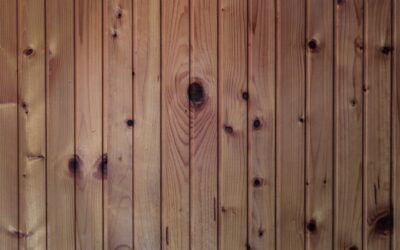
Wood paneling spent decades as a punchline, conjuring images of dim 1970s basements wrapped in orange-tinted plywood. That reputation is officially outdated. Modern wood paneling for walls looks nothing like the old stuff, swapping flat sheets for crisp vertical slats, clean shiplap lines, and rich wood veneers that add architectural texture and warmth to a room. Done right, a single accent wall transforms a space for a few hundred dollars and a weekend of work.
This guide covers the styles dominating design right now, what each costs, and how to choose and install the look that fits your home.
The Styles Leading the Trend
Today’s paneling is all about dimension and rhythm. A few distinct styles drive the current look.
- Slat walls (fluted/reeded): Vertical strips of wood spaced evenly, often mounted on a felt or MDF backer. They create a tactile, linear texture that doubles as subtle sound absorption. The defining modern look.
- Shiplap: Horizontal boards with a small reveal gap between them. Clean and versatile, equally at home in farmhouse and contemporary spaces.
- Board and batten: Flat panels with raised vertical battens, lending a tailored, paneled wainscot feel.
- Geometric and herringbone: Thin planks arranged in chevrons or grids for a bold statement wall.
- Wood veneer panels: Large-format sheets of real wood veneer for a seamless, minimalist surface.
Choosing the Right Wood and Finish
The species and finish set the entire mood. Light woods read airy and Scandinavian; dark woods feel moody and luxe.
- White oak: The current favorite. Neutral grain that suits warm and cool palettes, takes a clear matte finish beautifully.
- Walnut: Deep, rich brown for a high-end, dramatic wall. Pricier but striking.
- Pine and poplar: Budget-friendly, usually painted rather than stained.
- Acoustic slat panels: Engineered MDF or veneer over felt, sold in 24 x 94-inch sheets that snap together.
For finish, matte and satin clear coats keep the look modern. High-gloss reads dated. If you stain, test on a scrap first, since the same stain looks completely different on oak versus pine.
What It Costs
Price swings widely by material and whether you DIY. Here is a realistic 2026 breakdown.
- Pre-made acoustic slat panels: $30 to $60 per 24 x 94-inch panel; a 10-foot wall runs $250 to $450 in materials.
- DIY shiplap (primed pine boards): $1.50 to $3 per square foot, so a typical accent wall is $120 to $300.
- Solid hardwood slats (white oak): $4 to $8 per square foot in materials.
- Professional installation: Add $3 to $7 per square foot in labor, often more for intricate patterns.
An average accent wall, professionally installed, lands between $700 and $1,800 depending on material. DIY with pre-made panels can cut that in half.
Where Paneling Works Best
Paneling earns its keep as a focal point rather than a whole-room treatment in most modern homes. A wood-clad wall behind a bed, a sofa, or a media console anchors the room and adds depth a painted wall cannot.
It also shines in transitional spaces. An entryway, a stairwell, or a powder room gets an instant upgrade from floor-to-ceiling slats. Just avoid wrapping every wall in a small room, which can feel heavy and closed in. One textured wall against three painted ones gives the best balance.
Installation Basics
Most paneling projects are weekend-friendly with basic tools. The pre-made acoustic panels are the easiest entry point.
- Locate and mark your wall studs with a stud finder.
- Cut panels or slats to height with a miter saw or circular saw and a guide.
- Apply construction adhesive to the back and fasten into studs with finish nails or screws for a secure hold.
- Use a level on every piece; vertical slats magnify any lean.
- Fill nail holes, caulk the edges, and add trim at the top and base for a finished look.
For real-wood slats, acclimate the boards in the room for 48 hours first so they do not shrink or cup after install.
Painted vs Stained Paneling
One of the first decisions, after choosing a style, is whether to paint or stain. Each sends the room in a different direction. Painted paneling, especially in white, greige, or a moody deep green or navy, leans modern and crisp, hides cheaper wood like pine, and lets the texture rather than the grain do the talking.
Stained or clear-sealed paneling shows off the natural wood grain and feels warmer and more organic, but it demands a better-quality wood like white oak or walnut to look right. Stain also magnifies any flaws, so the prep has to be cleaner. As a rule, paint forgives a budget material while stain rewards a premium one.
Mistakes to Avoid
A few missteps separate a paneled wall that looks custom from one that looks like a weekend project gone wrong. Skipping the level is the biggest; vertical slats exaggerate even a slight lean, and the eye catches it instantly.
- Not acclimating real wood first, which leads to gaps and cupping after install.
- Choosing a high-gloss finish, which reads dated and cheap.
- Paneling every wall in a small room, making it feel boxed in.
- Forgetting to plan around outlets and switches, which need trimmed cutouts to look finished.
Take the time to map your layout, cut clean cutouts for any outlets, and the finished wall looks built-in rather than applied.
Maintenance and Longevity
Sealed wood paneling is low-maintenance. Dust the slats with a microfiber cloth or a vacuum brush attachment every couple of weeks, since the grooves collect dust. A sealed surface wipes clean with a barely damp cloth.
Keep paneling out of direct, constant sunlight where possible, as UV slowly fades stained wood over years. Refresh a clear matte topcoat every several years on high-traffic walls. With minimal care, a wood accent wall stays looking sharp for a decade or more, which is what makes modern paneling a smart, lasting upgrade rather than a passing trend.