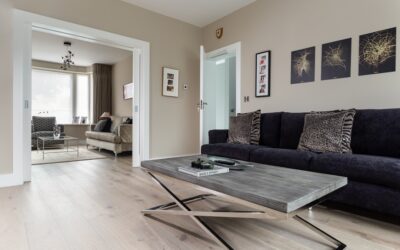
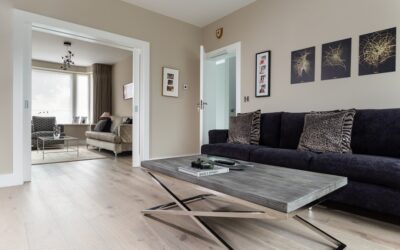
Natural oak laminate flooring is the single best-selling laminate style in the world. The warm, familiar look of natural oak appeals to nearly everyone, works with every design style from farmhouse to modern, and offers the highest resale value of any laminate color. When manufacturers develop new laminate technology — better textures, improved water resistance, more realistic visuals — natural oak is always the first colorway they perfect.
This guide covers everything you need to know about natural oak laminate flooring: how to identify realistic products, what AC ratings mean, which brands lead the market, and how to choose the right product for your room and budget.
- Why Natural Oak Dominates Laminate Sales
- What Makes Oak Laminate Look Realistic
- Embossed-in-Register (EIR) Technology
- AC Ratings Explained
- Top Brands for Natural Oak Laminate
- Thickness and Core Options
- Water Resistance
- Room Suitability Guide
- Installation Tips
- Natural Oak Laminate vs. Real Oak Hardwood
- Pricing Guide
- Top Product Picks for 2026
- Maintenance Guide
- Frequently Asked Questions
Why Natural Oak Dominates Laminate Sales
Oak is the most popular hardwood species in North America and Europe, and natural (unstained) oak has a warm, honey-to-tan color with prominent grain that most people find universally appealing. When homeowners cannot afford — or do not want the maintenance of — real oak hardwood, laminate flooring in a natural oak finish is the logical alternative.
- Universal appeal: Natural oak works in traditional, modern, farmhouse, Scandinavian, coastal, and transitional interiors
- Warm neutral tone: Neither too dark nor too light, natural oak brightens rooms while adding warmth
- Timeless: Oak has been the default flooring wood for centuries. Natural oak laminate will never look dated.
- Resale friendly: Real estate professionals consistently rank warm, natural wood-tone floors as the safest choice for broad buyer appeal
- Best technology: Because natural oak is the flagship product for most manufacturers, it receives the best printing and texturing technology available
What Makes Oak Laminate Look Realistic
The gap between real oak hardwood and high-quality oak laminate has shrunk dramatically. Here are the features that separate realistic natural oak laminate from cheap-looking product:
High-Definition Printing
Premium laminate uses high-resolution digital printing (1200+ DPI) to reproduce the grain pattern, color variation, and knot details of real oak. Budget laminate uses lower-resolution printing that looks flat and repetitive.
Color Variation
Real oak boards vary in color from plank to plank. Quality laminate replicates this with multiple unique plank designs per box — typically 6–12 different patterns. Budget products may have only 2–4 patterns, creating obvious repetition.
Knots and Character Marks
Natural oak has small knots, mineral streaks, and grain swirls. The best laminate products include these character marks in the printed design. Floors without any knots or character look artificial.
Matte and Low-Sheen Finishes
Real oak with a natural finish has a matte to satin sheen. High-gloss laminate immediately looks artificial. The most realistic natural oak laminate uses matte or low-sheen finishes that replicate the look of oiled or matte-lacquered hardwood.
Embossed-in-Register (EIR) Technology
EIR is the single most important technology for creating realistic natural oak laminate flooring. It aligns the physical surface texture of the laminate with the printed grain pattern beneath, so you feel wood grain exactly where you see it.
How EIR Works
The embossing plate is precisely matched to the printed decor layer. Where the print shows a grain line, the surface has a tactile groove. Where the print shows a knot, the surface has a rounded indentation. The result is a plank that looks and feels remarkably like real wood when you run your hand across it or view it at an angle.
EIR vs. Standard Embossing
Standard (random) embossing applies a generic wood-grain texture to the surface regardless of the printed pattern. The texture does not match what you see — if you look closely, you can tell the grain lines and the texture do not align. EIR eliminates this disconnect and is the hallmark of mid-range and premium laminate products.
How to Identify EIR
Look for “EIR,” “embossed-in-register,” “synchronized embossing,” or “registered embossing” in the product specifications. In stores, hold the plank at a low angle under overhead light — if the texture follows the printed grain pattern precisely, it is EIR.
AC Ratings Explained
The AC (Abrasion Class) rating system measures laminate flooring’s durability through standardized testing. Understanding AC ratings helps you choose the right product for your traffic level:
| AC Rating | Durability Level | Best For |
|---|---|---|
| AC1 | Light residential | Closets, spare bedrooms (rarely sold) |
| AC2 | General residential | Bedrooms, low-traffic rooms |
| AC3 | Heavy residential / light commercial | Living rooms, kitchens, hallways |
| AC4 | General commercial | Whole-home residential, offices, retail |
| AC5 | Heavy commercial | High-traffic commercial, public buildings |
Recommendation: For whole-home residential use, AC3 is the minimum. AC4 is the sweet spot for durability and value. AC5 is overkill for most homes but offers maximum longevity.
Top Brands for Natural Oak Laminate
Pergo
The original laminate flooring brand (invented laminate in 1977). Pergo’s TimberCraft and Outlast+ lines offer excellent natural oak options with EIR textures, 12mm thickness, and proprietary waterproof technology. Pergo is sold at Lowe’s and through independent retailers.
Quick-Step
A Belgian brand known for premium visuals and patented Uniclic click-lock systems. Quick-Step’s NatureTEK and Impressive lines include beautiful natural oak options. Widely considered the most realistic laminate on the market. Available through specialty flooring retailers.
Shaw
One of the largest flooring manufacturers in the world. Shaw’s Repel laminate line offers natural oak with water-resistant technology. Sold at Home Depot, Lowe’s, and through Shaw’s dealer network.
Mohawk
Sister company to Quick-Step (both owned by Unilin). Mohawk’s RevWood and RevWood Plus lines include natural oak options with genuine wood fiber cores and waterproof technology. Sold through Mohawk’s FloorCraft and Karastan dealer networks.
Swiss Krono
A European manufacturer with extensive natural oak offerings at competitive prices. Their EIR products in the 12mm range offer excellent value. Widely available at home improvement stores and online retailers.
Thickness and Core Options
Common Thicknesses
- 7mm: Entry-level thickness. Adequate for low-traffic rooms but feels hollow and less substantial underfoot. Requires quality underlayment.
- 8mm: The most common residential thickness. Good balance of feel and affordability. Works well with separate underlayment.
- 10mm: Premium residential thickness. Noticeably more solid underfoot. Better sound absorption.
- 12mm: The thickest standard laminate. Feels closest to real hardwood when walked on. Best sound performance. Premium pricing.
Core Material
All laminate uses HDF (high-density fiberboard) as its core material. The density of the HDF affects performance: higher density (850+ kg/m³) resists moisture better, holds the click-lock connection more securely, and provides a more solid feel underfoot. Premium products specify HDF density in their specifications.
Water Resistance
Traditional laminate and water are enemies. However, the latest generation of laminate flooring includes significant water-resistance improvements:
- Wax-sealed edges: Wax impregnated into the tongue-and-groove edges prevents water from seeping into joints. Standard on mid-range and premium products.
- Water-resistant HDF core: Some brands use moisture-resistant HDF that swells less when exposed to water.
- Waterproof surface coatings: Pergo’s WetProtect and Mohawk’s Hydroseal technologies add waterproof barriers to the laminate surface.
- Waterproof laminate: A newer category where the entire plank (surface, core, and edges) is engineered for water resistance. These products can handle spills and wet mopping but are still not recommended for wet rooms like bathrooms.
Room Suitability Guide
Living Rooms and Family Rooms
Natural oak laminate is ideal for living areas. Choose AC3+ with EIR texture in 8mm–12mm thickness. The warm oak tone creates an inviting atmosphere that works with any furniture style.
Bedrooms
AC2 or AC3 is sufficient for bedrooms. A 7mm or 8mm product works fine in this low-traffic environment. Natural oak creates a warm, restful bedroom atmosphere.
Hallways and Entryways
High-traffic zones demand AC4 rating and 10mm+ thickness. Natural oak hides light dirt tracked in from outdoors. Use doormats to protect against grit and moisture.
Kitchens
Possible with water-resistant or waterproof laminate (Pergo WetProtect, Mohawk Hydroseal). Wipe up spills promptly. AC4 rating recommended for kitchen traffic. Many homeowners now confidently use premium water-resistant laminate in kitchens.
Bathrooms
Not recommended, even with water-resistant laminate. The risk of prolonged water exposure around tubs, showers, and toilets is too high. Use waterproof LVP or tile in bathrooms instead.
Basements
Proceed with caution. Moisture from concrete slabs can damage laminate from below. If installing in a basement, use a moisture barrier underlayment, ensure the slab is tested for moisture, and choose a water-resistant laminate product. Many flooring professionals recommend LVP over laminate for basements.
Installation Tips
- Acclimation: Leave unopened boxes in the installation room for 48 hours to acclimate to room temperature and humidity
- Underlayment: Use the manufacturer’s recommended underlayment. If the laminate has an attached pad, do not add additional underlayment — double padding creates instability.
- Direction: Install planks parallel to the longest wall or perpendicular to the main light source for the most natural appearance
- Stagger: Offset end joints by at least 12″ between adjacent rows. Random stagger looks more natural than a repeating pattern.
- Expansion gaps: Leave 1/4″–3/8″ at all walls and fixed objects. Laminate needs room to expand and contract with humidity changes.
- Transitions: Use proper transition strips at doorways and where laminate meets other flooring materials
- Subfloor prep: The subfloor must be flat within 3/16″ per 10 feet. Sand or level any high spots and fill low areas before installation.
Natural Oak Laminate vs. Real Oak Hardwood
| Feature | Oak Laminate | Real Oak Hardwood |
|---|---|---|
| Cost (material) | $1.50 – $4.00/sq ft | $4.00 – $12.00/sq ft |
| Installation | DIY click-lock | Professional nail/glue |
| Scratch resistance | Excellent (AC3+) | Moderate (depends on finish) |
| Refinishing | Not possible | Can refinish 3–5 times |
| Water resistance | Good (with WR tech) | Poor |
| Feel underfoot | Good (at 10mm+) | Excellent (natural warmth) |
| Lifespan | 15–25 years | 50–100 years |
| Resale value | Good | Excellent |
| Authenticity | Very good (EIR) | Genuine |
For the real hardwood comparison in detail, see our hardwood flooring guide.
Pricing Guide
| Tier | Cost per Sq Ft | Thickness | AC Rating | Features |
|---|---|---|---|---|
| Budget | $0.75 – $1.50 | 7–8mm | AC2–AC3 | Random embossing, basic visuals |
| Mid-range | $1.50 – $3.00 | 8–10mm | AC3–AC4 | EIR texture, good visuals, wax-sealed edges |
| Premium | $3.00 – $4.50 | 10–12mm | AC4–AC5 | EIR, waterproof tech, best-in-class visuals |
Professional installation adds $1.50–$3.00 per square foot. DIY installation is straightforward with click-lock systems.
Top Product Picks for 2026
Best Budget: Swiss Krono Bravado Oak (8mm, AC3)
A warm natural oak with decent EIR texture at an entry-level price. 8mm thickness with separate underlayment. Around $1.25–$1.75 per square foot. A solid choice for bedrooms and low-traffic rooms.
Best Mid-Range: Pergo Outlast+ Marigold Oak (10mm, AC4)
Pergo’s Outlast+ technology delivers excellent water resistance with a beautiful natural oak visual. 10mm with attached underlayment. Around $2.50–$3.25 per square foot. Great for whole-home use.
Best Premium: Quick-Step NatureTEK Plus Colossia Calusa Oak (12mm, AC4)
Stunning 9.5″ wide planks with Quick-Step’s industry-leading EIR texture. 12mm total with attached underlayment. Around $3.50–$4.50 per square foot. The most realistic natural oak laminate available.
Best Waterproof: Mohawk RevWood Plus Crest Haven Oak (10mm, AC4)
Mohawk’s waterproof laminate technology with a warm natural oak look. Real wood fiber core with waterproof edges and surface. Around $3.00–$4.00 per square foot. Suitable for kitchens and active households.
Maintenance Guide
- Sweep or vacuum regularly: Use a hard-floor vacuum setting (disable beater bar) to remove grit that causes micro-scratches
- Damp mop only: Use a well-wrung mop — never wet-mop laminate. Spray mops with laminate-specific cleaner work best.
- No steam cleaners: Steam damages laminate cores and can cause warping and delamination
- Wipe spills immediately: Even water-resistant laminate should not have standing liquid for extended periods
- Felt pads: Place felt pads under all furniture legs to prevent scratching
- Doormats: Use doormats at all exterior doors to trap grit, sand, and moisture
- Avoid: Wax, polish, abrasive cleaners, vinegar, and Murphy’s Oil Soap on laminate surfaces
Frequently Asked Questions
Is natural oak laminate still popular in 2026?
Yes. Natural oak is the most popular laminate color and has been for years. The warm neutral trend in interior design has only strengthened its position. It is the safest laminate choice for broad appeal and resale value.
Can you tell the difference between oak laminate and real oak?
With premium EIR products (Quick-Step, Pergo TimberCraft), most people cannot tell the difference at normal standing height. Up close or from a low angle, subtle differences in depth and light reflection are detectable. Budget laminate without EIR is more obviously synthetic.
How long does natural oak laminate last?
AC3 laminate lasts 10–15 years in normal residential use. AC4 lasts 15–25 years. AC5 can last 25+ years. Lifespan depends on traffic, maintenance, and whether the floor is exposed to moisture.
Can I install natural oak laminate in a kitchen?
Yes, if you choose a product with water-resistant or waterproof technology (Pergo WetProtect, Mohawk Hydroseal). Wipe up spills promptly and use mats in front of the sink and dishwasher.
What underlayment is best for oak laminate?
A 2mm–3mm foam or cork underlayment is standard. If the laminate has an attached pad, do not add additional underlayment. For concrete subfloors, use an underlayment with a built-in moisture barrier. For upper floors, choose an underlayment with sound-dampening properties (cork or acoustic foam).
Prefer to explore on your own?
See how new flooring looks in your actual room in seconds — free, no signup.
Try the free Floor Studio →