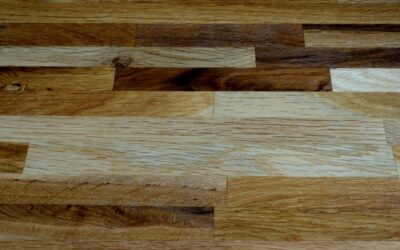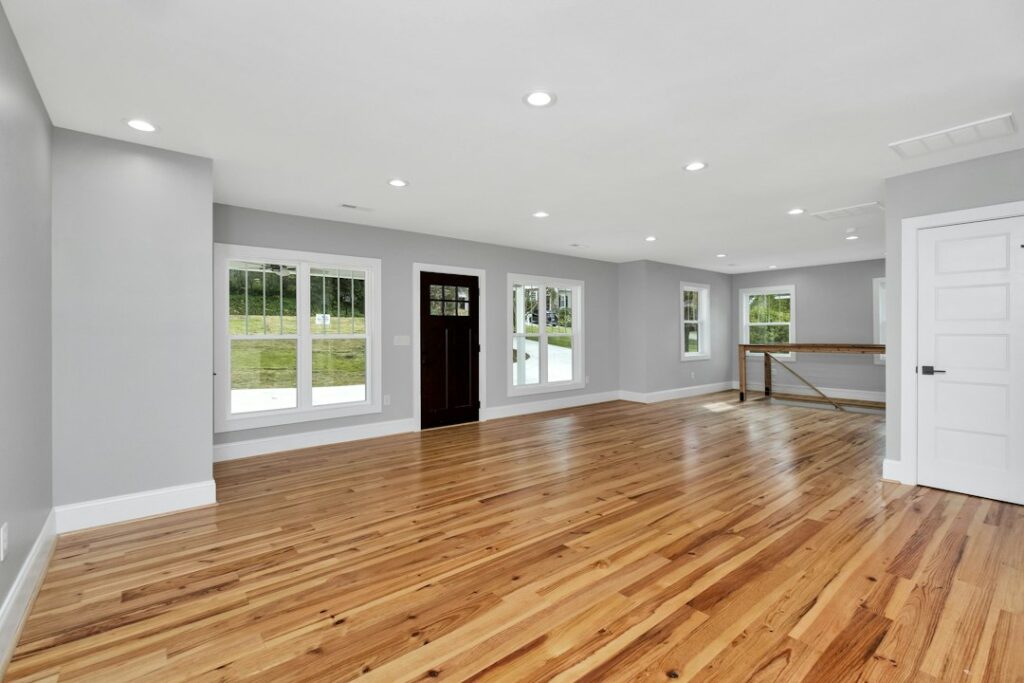
Ask ten homeowners to describe natural red oak floors and you will hear everything from “pinkish” to “honey gold.” Both are right. Unstained red oak under a clear finish starts as a light tan with a distinct rosy or salmon cast, and how much of that pink you see depends almost entirely on the finish you put over it.
A water-based finish keeps red oak closest to its raw color, which means lighter and cooler but with the pink easy to spot. An oil-based polyurethane or penetrating oil adds an amber warmth that turns the pink into a golden, honeyed brown and deepens over time. If you like the natural look but not the pink, a neutral toner or a light gray-brown “natural” tint can calm the red without hiding the grain.
- What Natural Red Oak Floors Look Like
- How Different Finishes Change Red Oak
- Water-Based vs Oil: Side-by-Side
- When to Add a Neutral Toner
- Styling Tips for Natural Red Oak
- Refinishing Red Oak to a Natural Finish
- Chemical and Dust Safety
- Troubleshooting and Cost
- When to Call a Pro
- Frequently Asked Questions
What Natural Red Oak Floors Look Like
Red oak is one of the most common hardwoods in American homes, and its natural color sits between light beige and soft reddish tan. The heartwood carries a faint pink to reddish tone, and the sapwood is lighter and creamier, so a typical floor shows some variation from board to board. Select grade looks more uniform, while common grades show more mineral streaks, knots and contrast.
The grain is the other defining feature. Red oak has a bold, open grain with pronounced cathedral arches on plain-sawn boards and tight straight lines on rift and quartersawn boards. Because the pores are open, finishes settle into them and highlight the pattern. That texture is a big reason natural red oak floors feel casual and lively compared with smoother-grained woods like maple.
Compared with white oak, red oak looks warmer and pinker, with a more open texture. White oak leans toward olive, tan and gray, which is why it dominates modern, Scandinavian-style interiors. If you already have red oak, though, you can get surprisingly close to a soft, current look with the right clear coat.
How Different Finishes Change Red Oak
Water-based polyurethane
A water-based finish dries nearly clear and adds very little color. Red oak under it looks light, fresh and closest to the raw sanded wood. The trade-off is that the pink undertone is most visible here, and some people find the result a bit flat or washed out. A water-based finish also ambers very little over the years, so the color you see on day one is close to the color you live with.
Oil-based polyurethane
Oil-based poly adds a yellow-amber tint from the first coat and keeps darkening gently with light exposure. Over red oak, that amber blends with the pink to create the classic golden honey floor seen in many homes built from the 1950s through the 1990s. It is warm and forgiving with dirt, but it can look dated in a cool, modern scheme, and it will drift toward orange over a decade or two.
Penetrating oil and hardwax oil
Oil finishes soak into the wood rather than forming a thick film. They give a low-sheen, hand-rubbed look that deepens the grain and adds moderate warmth, usually somewhere between water-based poly and oil-based poly. They are easy to spot repair but need periodic maintenance coats.
Sheen also matters
Matte and satin sheens hide scratches and make color read softer and more natural. Semi-gloss and gloss magnify both the warm tones and every scuff. For a red oak natural finish that looks current, most installers recommend matte or satin.
Water-Based vs Oil: Side-by-Side
| Finish | Color on red oak | Over time |
|---|---|---|
| Water-based poly | Light tan, visible pink cast | Little change |
| Oil-based poly | Golden honey, warm | Ambers further |
| Penetrating oil | Moderately warm, rich grain | Mild warming |
| Water-based with neutral toner | Soft beige, pink muted | Stable |
Before choosing, sand a small area or a spare board and apply each finish to a different section. Look at the samples in morning and evening light. Red oak changes surprisingly with lighting, and warm bulbs push it pinker while daylight shows more beige.
When to Add a Neutral Toner
Many homeowners want natural red oak floors with no stain, but find the pink stronger than expected. A neutral toner or very light “natural” stain sits between bare wood and a true stain. It does not darken the floor much; it simply counters the red with a touch of gray, brown or green pigment so the wood reads as beige.
Consider a toner when:
- Your walls, cabinets or furniture have cool gray or white undertones that make the pink stand out.
- You are blending red oak with white oak in an addition or patch.
- You want a lighter, modern look but a water-based finish alone shows too much salmon.
- You want to tone down orange left behind in old oil-finished boards that you cannot fully sand out.
Skip it if you like the warmth of honey oak or plan an oil-based finish that will amber anyway. Always test on the actual floor, since red oak from different mills varies.
Styling Tips for Natural Red Oak
- Pair with warm neutrals. Creamy whites, greige and warm taupe on walls let the floor look intentional rather than pink.
- Use green and blue accents. Sage, olive, navy and deep teal counter the red in the wood and look rich against it.
- Avoid cool stark whites and pink-beige paints. Stark white heightens contrast with the red, and pink-beige walls double it.
- Choose rugs with mixed tones. Patterned rugs with blues, rusts and creams tie the floor into the room.
- Add natural textures. Linen, wool, rattan and black metal accents suit the open grain and casual character.
Refinishing Red Oak to a Natural Finish
If your floors are currently stained or amber, sanding back to bare wood is the way to reach a natural look.
- Check for lead first. In homes built before 1978, old finishes near painted trim can contain lead. Test before sanding and follow lead-safe practices.
- Sand to bare wood. Use a drum or belt sander in progressive grits, typically 36 or 40, then 60, then 80 or 100, plus an edger and hand scraping in corners.
- Vacuum and tack. Remove all dust from the floor, walls and sills.
- Water-pop if toning. Lightly dampening the wood opens the grain for even toner absorption.
- Apply toner or sealer. Wipe toner on evenly and remove excess, or go straight to a sealer coat.
- Finish coats. Apply two to three coats of water-based finish, or two to three of oil-based poly, sanding lightly between coats per the label.
Chemical and Dust Safety
Sanding makes fine wood dust, so use a sander with dust collection and wear an N95 or better respirator. Oil-based finishes and toners release solvent vapors: ventilate with fans exhausting outdoors, wear a respirator rated for organic vapors and keep vapors away from pilot lights and other ignition sources. Water-based finishes are lower in odor but still call for gloves, eye protection and fresh air. Never mix finish products, and lay oil-soaked rags flat outside to dry before disposing of them, since they can self-heat and ignite.
Troubleshooting and Cost
- Too pink: add a neutral toner on the next refinish, or warm the room with lighting and decor.
- Too orange: usually aged oil-based poly. A full sand and water-based finish brings it back toward natural.
- Blotchy toner: uneven sanding or skipped water-popping. Resand the area and reapply.
- Grain raised and rough: normal after the first water-based coat. Buff lightly with a fine screen.
Professional sanding and refinishing of red oak generally falls in a few-dollars-per-square-foot range, with toners or extra coats adding a modest amount. DIY materials are much cheaper, but sander rentals and the learning curve can make a mid-size room a long weekend.
When to Call a Pro
Hire a hardwood refinisher if the floor has deep damage, thin boards from past sanding, water staining or you need to match old and new boards. Professionals also handle toner blending more evenly than most first-time DIYers. For homeowners who simply want to see the wood as it is, natural red oak floors under a carefully chosen clear finish are a timeless, forgiving option that suits far more styles than their reputation suggests.
Frequently Asked Questions
Why do natural red oak floors look pink?
Red oak heartwood has a natural reddish pigment. Clear water-based finishes show that undertone most clearly, while oil-based finishes add amber that turns it toward gold.
What is the best clear finish for red oak?
For the lightest, most natural look, use a water-based polyurethane in matte or satin. For a warmer, classic honey tone, choose oil-based poly or a penetrating oil.
Can you make red oak look like white oak?
You can get closer with a neutral or gray-brown toner under a water-based finish, which mutes the pink. The grain pattern will still look like red oak, though.
Does red oak darken over time without stain?
Yes, a little. Light exposure warms the wood gradually, and oil-based finishes amber noticeably. Water-based finishes keep the change minimal.
Is natural red oak out of style?
No. Lighter natural red oak in matte finishes pairs well with current warm-neutral interiors. The dated look usually comes from glossy, heavily ambered finishes, not the wood itself.
Prefer to explore on your own?
See how new flooring looks in your actual room in seconds — free, no signup.
Try the free Floor Studio →