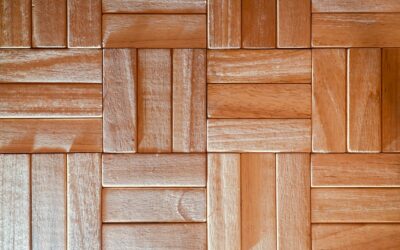
Red oak is the most common hardwood in American homes built over the past century, and that is exactly why so many homeowners struggle when they need to extend it into a kitchen, basement or bathroom. Red oak vinyl plank flooring solves the moisture problem that keeps real hardwood out of those rooms, and the better printed designs capture the open, wavy grain and pinkish warmth that make red oak recognizable. Getting a convincing look, though, depends on undertone, plank size and texture far more than the color name on the box.
Most people choose a red oak look in LVP for one of three reasons: to continue the look of existing hardwood into wet areas, to replace worn red oak without the dust and downtime of sanding, or simply because they like the warm, traditional character. Each goal leads to slightly different choices.
Plan to bring real samples home, compare them against your floors in daylight and lamplight, and accept that a close coordinating match usually looks better than a near-miss attempt at an exact one.
What Makes Red Oak Vinyl Plank Flooring Look Like Red Oak
Real red oak has a few signature traits. Its grain is coarse and open, with bold cathedral arches on flat-sawn boards and tighter straight lines on rift and quartersawn boards. The natural color runs from light tan to salmon, with a clear pink or reddish undertone that becomes more obvious under clear finishes and warm stains. Over time, oil-based finishes amber the color further.
A good red oak LVP reproduces those features through a high-resolution printed image layer and an embossed texture. Look for:
- Visible cathedral grain with variation between planks, not the same arch repeated every third board.
- Warm pink or orange base tones rather than the gray or neutral beige common in white oak looks.
- Embossed-in-register texture, where the surface texture follows the printed grain, so light catches the pattern the way it does on real wood.
- A healthy number of unique plank designs, often listed as screens or visuals. More unique faces means less obvious repetition across a room.
Matching Existing Red Oak Hardwood
Trying to match red oak LVP to an existing hardwood floor side by side is the hardest version of this project. Real wood changes color with age, finish type and sun exposure, and even two rooms in the same house can look different. A few practical rules help.
Start from the finish, not the species
A clear water-based finish on red oak stays relatively light and pink. An oil-based finish ambers it toward honey. A stained floor may read as golden, brown or even reddish brown. Find the plank that matches what your floor looks like today, not what red oak looks like raw.
Match plank width
Older red oak floors are often 2 1/4 inch strip flooring. Many vinyl planks are 6 to 9 inches wide. A wide plank next to narrow strips will never look like a continuation, even in a perfect color. If you want an unbroken look, look for narrower planks or accept a clear transition.
Use a transition on purpose
Where the two floors meet, a doorway threshold or a contrasting reducer strip creates a deliberate break. That generally looks better than butting two slightly different oaks together in an open floor plan. Running the vinyl in the same direction as the hardwood also helps the eye accept the change.
Check under several light sources
Lay samples on the existing floor and look at them in morning light, afternoon light and under your evening lamps. Warm LED bulbs exaggerate pink and orange tones. Cool daylight bulbs can make red oak looks seem flat or muddy.
Reading Undertones
Undertone is the background color that shows through the main shade, and it is where most red oak matches go wrong. Common undertones in red oak LVP include:
- Pink or salmon: closest to natural red oak with a clear finish. Pairs well with cream, warm white and soft greens.
- Golden or honey: mimics aged oil-based finishes. Works with warm wood cabinets and earthy tones.
- Reddish brown: similar to red oak stained with a medium or cherry-type stain. Looks rich with white trim and navy or charcoal accents.
- Orange: common in older 1980s and 1990s finishes. Can clash with gray walls and cool-toned stone.
To identify undertone, compare the plank against a pure white sheet of paper. The color that seems to glow at the edges of the grain is the undertone.
Wall and Cabinet Pairings
Red oak tones are warm and busy, so the surrounding colors work best when they either calm the floor down or complement its warmth.
- Walls: warm whites, creams, greige with a warm base, sage and muted olive greens, and soft terracotta all work well. Very cool grays and blue-grays tend to make red oak look more orange.
- Cabinets: painted white or off-white cabinets give the floor room to breathe. Deep green, navy and charcoal cabinets create strong contrast that feels intentional. Avoid wood cabinets in a closely similar oak tone, which tends to look like a mismatch. If you have oak cabinets, choose a floor clearly lighter or darker.
- Countertops: warm white quartz-look surfaces, butcher block in a different species, and stone with beige or cream veining pair naturally. Stark cool white with gray veining can feel disconnected.
- Trim and doors: white trim modernizes the look. Stained oak trim gives a classic, cohesive feel if the tones are close.
Plank Specs That Matter
Appearance is only half the decision. Red oak LVP also has to perform in the room you put it in.
- Wear layer: 12 mil is a reasonable minimum for bedrooms and light use. 20 mil or thicker is better for kitchens, entries and homes with pets or kids.
- Core type: rigid stone-polymer cores resist denting and handle temperature swings in sunrooms. Wood-polymer cores feel slightly softer and warmer underfoot. Flexible glue-down planks are thinner and suit commercial-style installs or tight height limits.
- Overall thickness: roughly 5 to 8 mm is common for click products. Thicker planks hide minor subfloor imperfections better.
- Plank size: 6 to 7 inch widths with lengths around 48 inches read as traditional. Wider and longer planks feel more modern and show off grain.
- Edge detail: micro-beveled or painted bevel edges define each plank like real hardwood. Square edges create a smoother, more uniform field.
- Attached pad: a built-in underlayment can soften sound and feel. Check whether the maker allows extra underlayment, since doubling up can void warranties.
Installation Overview
Red oak LVP installs like any other click vinyl plank. The subfloor must be clean, dry and flat, typically within about 3/16 inch over 10 feet, though your product’s spec governs. Leave expansion gaps at walls, usually around 1/4 inch, and cover them with baseboard or quarter round.
- Acclimate cartons in the room as directed, usually 24 to 48 hours at normal living temperature.
- Open several boxes and mix planks as you go so color and grain variation spreads evenly.
- Plan the layout so the first and last rows are not slivers. Measure the room and adjust the starting row width.
- Stagger end joints by at least 6 to 8 inches and avoid stair-step or H-patterns.
- Undercut door jambs so the planks slide underneath for a clean finish.
- Install transitions, reinstall baseboards and quarter round, and leave the expansion gap free of fasteners.
Troubleshooting a Red Oak Look
The floor looks too pink
Warm bulbs and cream walls can push pink tones further. Switching to neutral 3000K lighting and adding green or navy accents usually balances it.
Planks repeat obviously
This happens when installers work from one carton at a time. Pulling from several boxes and setting aside any plank with a highly recognizable knot or arch helps break the pattern.
The new floor clashes with existing hardwood
Add a wider threshold or a contrasting reducer, or carry the vinyl into an adjacent hallway so the transition lands at a natural break.
Gaps or peaking in sunny rooms
Large windows can heat planks enough to expand. Rigid-core products and proper expansion gaps reduce the risk, and window coverings help.
Cost Ranges
Red oak vinyl plank flooring generally costs somewhere in the range of about $2 to $6 per square foot for materials, with thicker wear layers and premium visuals at the top of that band. Professional installation commonly adds about $2 to $5 per square foot, depending on region, subfloor prep, stairs and trim work. Compared with refinishing or replacing red oak hardwood, LVP is usually less disruptive and avoids sanding dust, though a good hardwood refinish can be the cheaper option when the existing boards are sound.
When to Call a Pro
Consider professional help when the subfloor is out of flat, when you are installing over radiant heat, when stairs are involved, or when the vinyl must transition cleanly to existing hardwood in an open floor plan. An experienced flooring installer can also tell you if your current red oak is worth refinishing rather than covering. If the house is older and you plan to remove old sheet vinyl or tile, have it tested for asbestos before you pull it up.
Frequently Asked Questions
Can red oak LVP match my existing hardwood floor?
It can come close, especially if you match the current finish color, undertone and plank width. An exact match is rare, so many homeowners use a threshold or reducer at the transition.
Is red oak vinyl plank flooring waterproof?
Most rigid-core vinyl planks are waterproof at the surface and core, which makes them suitable for kitchens, baths and basements. Standing water should still be wiped up, and seams at walls are not sealed.
What wall colors go with red oak floors?
Warm whites, creams, warm greige, sage and soft olive greens work well. Very cool grays tend to make the floor look more orange.
Does red oak look dated?
Orange-toned finishes from past decades can feel dated, but natural and lightly warm red oak looks remain popular, especially with white trim, green or navy cabinets and warm lighting.
What wear layer should I choose for red oak LVP?
Aim for at least 12 mil in bedrooms and 20 mil or thicker in kitchens, entries and homes with pets or children.
Prefer to explore on your own?
See how new flooring looks in your actual room in seconds — free, no signup.
Try the free Floor Studio →