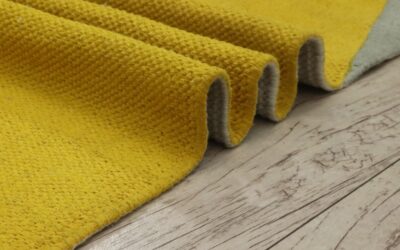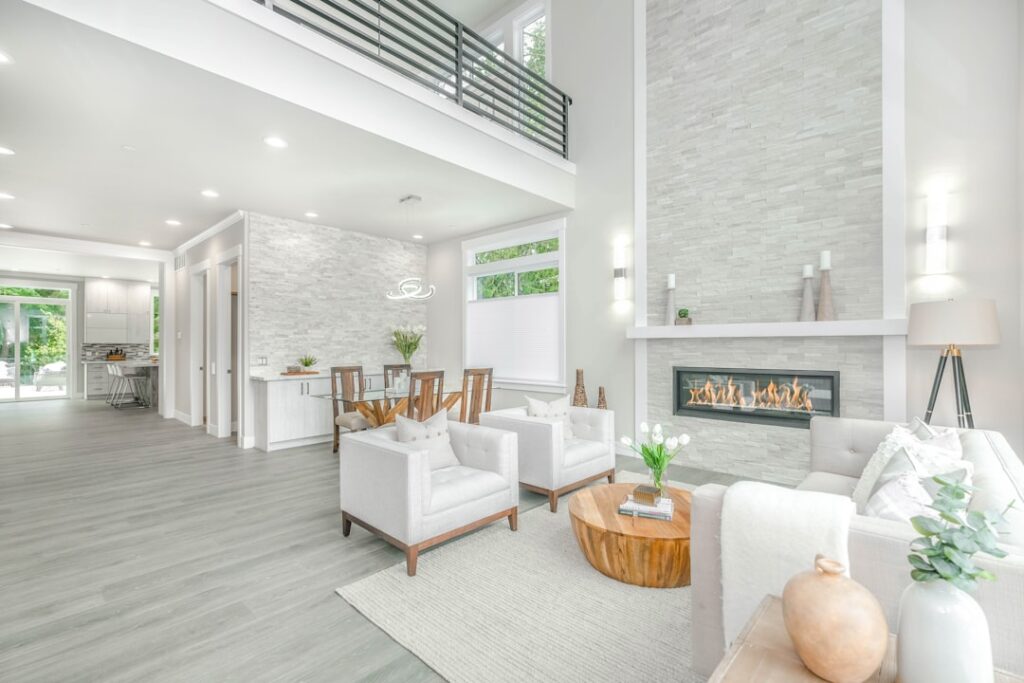
Color gets all the attention in design magazines, but texture is what makes a room feel finished. A neutral textured rug works quietly, adding depth and warmth underfoot without fighting the furniture, art, or paint colors you already love. When a rug leans beige, greige, oatmeal, or soft gray, its surface becomes the star: chunky loops, hand-knotted pile, or a flat jute weave read as interest rather than pattern.
That restraint is exactly why designers reach for tonal rugs so often. They anchor a seating area, ground a bed, or define an open-plan zone while giving the eye a place to rest. Below is how to choose the right material, weave, and shade so a low-color rug still carries real presence.
- Why Texture Matters More Than Color in a Neutral Rug
- Best Materials for a Textured Neutral Look
- Choosing the Right Neutral Shade
- Popular Weaves and Constructions
- Sizing and Placement for Maximum Impact
- Styling a Neutral Textured Rug in Any Room
- Caring for Textured and Natural-Fiber Rugs
- Common Mistakes to Avoid
- Budgeting for a Textured Neutral Rug
- Is a Neutral Textured Rug Right for Your Home
Why Texture Matters More Than Color in a Neutral Rug
Strip a rug of bold color and the weave has to do the heavy lifting. That is a good thing. A tightly looped wool berber, a nubby jute basketweave, or a high-low carved pile creates shadow lines that shift as light moves across the floor through the day. The result feels layered and considered rather than flat.
Think of texture as a volume knob. A smooth, low-pile tonal rug whispers and lets other elements speak, which suits a busy room full of pattern and objects. A shaggy or heavily looped rug turns the volume up, becoming a focal point in a spare, minimalist space. Match the intensity of the texture to how much else is happening in the room.
Best Materials for a Textured Neutral Look
Fiber choice drives both the feel and the durability, so pick based on the room as much as the look.
- Wool: The gold standard for a neutral textured rug. It holds carved and looped patterns beautifully, resists crushing, hides soil, and feels soft underfoot. Expect to pay more, but a good wool rug lasts 15 to 20 years.
- Jute and sisal: Natural plant fibers with an unmistakable woven texture and a warm, sandy tone. They are affordable and eco-friendly, though they dislike moisture and can feel rough on bare feet.
- Cotton: Soft, washable, and inexpensive, cotton flatweaves bring subtle texture in a low profile. Best for kitchens, laundry rooms, and spots that need frequent cleaning.
- Wool-viscose blends: Viscose adds a subtle sheen that highlights high-low patterns, but it stains easily. Reserve these for low-traffic bedrooms and formal living rooms.
For high-traffic areas with kids or pets, a wool or a performance polypropylene loop rug shrugs off wear better than delicate viscose or loosely woven jute.
Choosing the Right Neutral Shade
“Neutral” is a wide range, and the undertone matters as much as the value. Warm neutrals like camel, oatmeal, and taupe make a room feel cozy and pair well with wood tones and brass. Cool neutrals such as dove gray, greige, and soft white feel crisp and modern, complementing black metal, marble, and blue-gray walls.
Hold a rug sample against your largest fixed elements, the flooring and the sofa, before committing. A rug that reads perfectly beige in the store can turn pink or yellow next to your specific wood floor. When in doubt, pick a shade one or two steps darker than your floor so the rug grounds the space instead of blending into it and disappearing.
Popular Weaves and Constructions
The construction determines both the texture and how the rug wears over time.
Flatweave and Dhurrie
These have no pile, so they lie thin and reversible. The texture comes from the weave structure itself, and they suit layering over larger rugs or high-traffic hallways where a thick pile would trip up doors.
Loop Pile and Berber
Uncut loops create a durable, pebbled surface that hides footprints and vacuum marks. This is the workhorse texture for family rooms and stairs.
High-Low Carved Pile
Areas of tall and short pile form subtle geometric or organic patterns in a single color. This gives a tonal rug real sculptural interest without introducing a second hue.
Sizing and Placement for Maximum Impact
Even the most beautiful rug falls flat if it is too small. In a living room, aim for a rug large enough that at least the front legs of every seat rest on it; an 8-by-10 or 9-by-12 anchors most seating groups. Under a bed, a rug should extend 18 to 24 inches beyond the sides so your feet land on softness when you get up.
In a dining room, size the rug so chairs stay on it even when pulled out, which usually means adding 24 inches to each side of the table footprint. A too-small rug floating in the center of a room is the single most common mistake, and it makes the entire space feel cheaper than it is.
Styling a Neutral Textured Rug in Any Room
Because it stays quiet, a tonal rug plays well with almost anything. Layer a small patterned or vintage rug on top of a large jute base for a collected, lived-in look. Let a heavily textured rug be the only texture in a smooth, modern room, or echo its warmth with a chunky knit throw and a linen sofa.
These rugs also make transitions easy in open-plan homes. Use the same family of neutrals across the kitchen, dining, and living zones so the eye flows without jarring breaks, then vary the texture from zone to zone to keep each area distinct. The shared palette reads as intentional cohesion rather than repetition.
Caring for Textured and Natural-Fiber Rugs
Maintenance depends heavily on the fiber. Follow these basics to protect your investment:
- Vacuum regularly, but turn off the beater bar on looped and natural-fiber rugs to avoid pulling loops and fraying the weave.
- Rotate the rug 180 degrees every six months so foot traffic and sunlight wear it evenly.
- Blot spills immediately; never rub, which pushes stains deeper into a textured surface.
- Keep jute and sisal away from bathrooms and entryways where water and snow will get tracked in, since natural fibers stain and warp when wet.
- Use a quality rug pad underneath to prevent slipping, add cushioning, and extend the life of the rug by reducing friction against the floor.
A professional cleaning every one to two years refreshes wool and revives crushed pile. For natural fibers, spot clean only and hire a specialist rather than saturating the rug, which can leave permanent water rings.
Common Mistakes to Avoid
A few missteps trip up even careful shoppers. The first is buying too small, which makes an expensive rug look like an afterthought and shrinks the whole room. The second is ignoring undertones, then wondering why a “beige” rug clashes with warm oak floors; always test the sample in your actual light before committing.
People also overspend on delicate viscose blends for family rooms, where the sheen looks great for a month and then mats and water-stains from the first spill. Reserve those fibers for low-traffic formal spaces and lean on wool or performance synthetics where life actually happens. Finally, do not skip the rug pad to save a few dollars; a bare textured rug slides on hard floors, wears unevenly, and feels thin underfoot, undoing much of what you paid for.
Budgeting for a Textured Neutral Rug
Prices span a wide range, so match the spend to the room. A machine-woven polypropylene or PET rug in a soft neutral runs roughly $150 to $400 for an 8-by-10 and handles busy spaces well. A quality machine-made or hand-loomed wool rug of the same size typically costs $500 to $1,200 and rewards you with better texture retention and a 15-to-20-year lifespan. Natural jute and sisal fall in the middle, around $200 to $600, and bring unbeatable organic texture for dry, low-moisture rooms.
Factor in a good pad at $30 to $120 and, for wool, occasional professional cleaning. Spending in the mid-range wool tier for a primary living room or bedroom usually delivers the best long-term value, while a durable synthetic makes more sense for playrooms and rentals.
Is a Neutral Textured Rug Right for Your Home
If you change your decor often, a neutral textured rug is one of the smartest purchases you can make. It survives seasonal color swaps, works with the next sofa as well as this one, and never dates the way a trendy pattern does. The texture keeps it from feeling boring, and the quiet palette keeps it flexible for years.
Buy the best fiber your budget allows, size it generously for the room, and add a good pad underneath. Do those three things and a low-color, high-texture rug will anchor your space with the kind of subtle, lasting warmth that makes a house feel like a home.