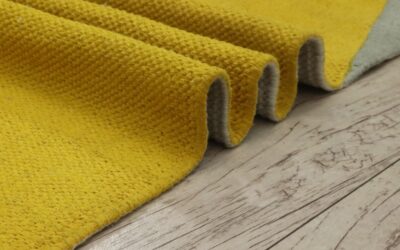
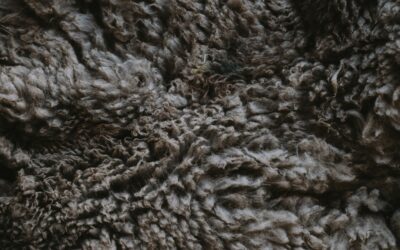
Few floor coverings combine comfort and craftsmanship the way a textured wool rug does. Unlike flat-woven pieces that read as a single smooth plane, a textured wool rug uses varied pile heights, loops, cut-and-loop patterns, and hand-carved lines to create shadow, dimension, and a tactile surface you can feel underfoot. That physical depth is what makes wool such a rewarding material for high-traffic living rooms, bedrooms, and layered dining spaces where you want a rug that looks considered rather than flat.
Wool has been the gold standard for rug fiber for thousands of years, and for good reason. It springs back after compression, resists crushing under furniture legs, hides dirt between cleanings, and naturally repels light spills thanks to the lanolin coating each fiber. Add texture on top of those baseline strengths and you get a rug that performs as well as it looks. This guide walks through construction, pricing, care, and buying decisions so you can choose confidently.
What Makes a Wool Rug “Textured”
Texture in a rug comes from how the yarn is looped, cut, and set into the backing. Manufacturers and hand-weavers use several techniques, often combining two or three in one piece to create visual movement without relying on color alone.
- Cut-and-loop: Some tufts are sheared flat while others stay looped, producing a subtle pattern of high and low areas that catches light differently across the surface.
- High-low pile: Pile heights may vary from roughly 1/4 inch to 3/4 inch within the same rug, carving out geometric shapes, waves, or organic contours.
- Hand-carved detailing: Artisans trim around motifs with shears to define edges, a hallmark of higher-end hand-tufted and hand-knotted wool.
- Bouclé and shag loops: Chunky looped constructions create a nubby, sweater-like texture prized in modern and Scandinavian interiors.
The practical benefit goes beyond looks. A varied surface disguises footprints, vacuum lines, and minor soiling far better than a uniform cut pile, which is one reason textured styles remain popular in busy households.
Construction Methods and How They Affect Price
How a rug is made matters more than almost any other factor when it comes to cost and lifespan. Expect three broad tiers on the market today.
Hand-knotted wool rugs sit at the top. A single weaver ties thousands of individual knots per square foot, and a 8-by-10-foot piece can take months to complete. These start around $2,000 and climb well past $10,000, but they routinely last 30 to 50 years or more and can be handed down through generations. Hand-tufted rugs, where yarn is punched into a canvas backing with a tufting gun and then finished by hand, offer a middle path at roughly $400 to $1,500 for the same size. Machine-made wool, including power-loomed and wool-blend options, runs $150 to $600 and delivers solid everyday value with less handwork.
When budgeting, remember that texture usually adds labor. A carved high-low design in hand-tufted wool costs more than a flat, even-pile version of the same dimensions because the finishing work is intensive.
Choosing the Right Size and Placement
Getting the scale right transforms how a room feels. Undersized rugs are the single most common mistake homeowners make.
- Living rooms: Aim for a rug large enough that at least the front legs of your sofa and chairs rest on it. An 8-by-10 or 9-by-12 suits most seating groups.
- Bedrooms: A 9-by-12 under a queen or king bed leaves 18 to 24 inches of soft rug exposed on three sides, ideal for bare feet in the morning.
- Dining rooms: Add 24 to 30 inches beyond the table edge on every side so chairs stay on the rug when pulled out.
With textured pieces, also consider clearance. A thick high-low pile can catch a door that swings over it, so measure the gap between your floor and the bottom of the door before committing to anything over 1/2 inch thick.
Colors, Patterns, and Interior Styles
Because texture already supplies visual interest, many designers lean toward tonal or neutral coloring so the surface does the talking. Ivory, oatmeal, charcoal, and warm greige work in nearly any palette and let the carving or loop pattern become the focal point. If you want more personality, muted terracotta, sage, and dusty blue read as current without shouting.
Style pairings are flexible. A nubby bouclé wool rug anchors modern and organic-minimalist rooms; a hand-carved medallion suits transitional and traditional spaces; and a high-low geometric grid feels crisp in contemporary settings. Layering a smaller textured wool piece over a large flat jute or sisal rug is a popular trick for adding depth in open-plan homes.
Cleaning and Everyday Care
Wool is forgiving, but texture requires a slightly gentler routine than flat pile. Follow these habits to keep a rug looking new for decades.
- Vacuum weekly using suction only or a low, adjustable beater bar. Aggressive rotating brushes can pull loops and fuzz the surface over time.
- Blot spills immediately with a clean white cloth, working from the outside in. Never rub, which pushes liquid deeper into the pile.
- Use cool water and a drop of wool-safe detergent for spot cleaning; skip anything with high alkalinity or bleach, which strips lanolin and can felt the fibers.
- Rotate the rug 180 degrees every six months so foot traffic and sunlight wear evenly.
- Schedule a professional wool cleaning every 12 to 24 months depending on traffic and pets.
Expect some shedding from new wool rugs, especially hand-tufted ones, for the first few months. This is normal loose fiber working its way out and slows dramatically with regular vacuuming.
Pros, Cons, and Who Should Buy One
Wool’s advantages are hard to beat: natural stain resistance, excellent resilience, sound dampening, insulation that helps a room feel warmer in winter, and inherent flame resistance that synthetic fibers can’t match without chemical treatment. Texture layers on hidden-dirt performance and design depth.
The trade-offs are real but manageable. Wool costs more upfront than polypropylene or polyester, initial shedding annoys some buyers, and prolonged dampness can cause mildew, so wool is a poor choice for bathrooms or damp basements. Households with certain wool sensitivities should test comfort before investing.
A textured wool rug is the right call if you want a long-term piece for a living room, bedroom, office, or dining space and you value durability and tactile richness over the lowest possible price.
Final Buying Checklist
Before you purchase, run through a short list. Confirm the fiber is 100 percent wool or a high wool-content blend rather than “wool-look” synthetic. Ask about construction method and knot or tuft density, since denser rugs wear longer. Check that the backing is quality cotton or canvas on hand-tufted pieces and that the binding is neatly finished. Order a swatch or view the rug in your own lighting when possible, because texture reads very differently under warm versus cool light.
Finally, always pair a wool rug with a quality non-slip rug pad. A good pad cushions the pile, prevents slipping, protects your floor, and can extend the life of the rug by years. Treated as the investment it is, a well-chosen textured wool rug will reward you with comfort and character long after cheaper alternatives have been replaced.