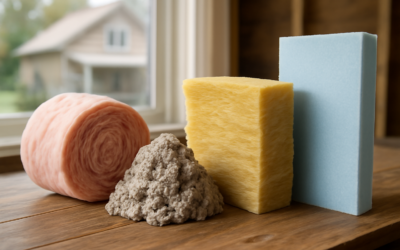
Anyone who has spent an afternoon stuffing pink batts into a wall knows the itch that lingers for days. Non fiberglass insulation covers a range of materials that keep the house just as warm without the glass fibers: mineral wool, recycled cotton denim, cellulose, sheep wool, rigid foam board and spray foam. Some are easier on your skin, some resist fire or moisture better, and a few cost noticeably more per R-value. The best pick depends on where it goes and how much handling you will do yourself.
For DIY walls and floors, mineral wool batts are the closest drop-in substitute and are the most common choice. For attics, loose-fill cellulose is hard to beat on cost. For basements and rim joists, rigid foam or closed-cell spray foam handles moisture better. Natural fibers like cotton and wool win on comfort but cost more and can be harder to find.
- Comparing Non Fiberglass Insulation Options
- Mineral Wool: The Closest Swap
- Cotton Denim Insulation
- Cellulose: Best Value for Attics
- Sheep Wool Insulation
- Rigid Foam Board and Spray Foam
- Health, Fire and Environmental Considerations
- How to Choose by Location
- Installation Tips and Troubleshooting
- Cost Ranges and When to Call a Pro
- Frequently Asked Questions
Comparing Non Fiberglass Insulation Options
| Material | Approx. R-value per inch | Handling comfort | Moisture behavior |
|---|---|---|---|
| Mineral wool batts | 3.0 to 4.3 | Mild itch, much less dust | Sheds water, does not absorb much |
| Cotton denim batts | 3.4 to 3.7 | Very comfortable | Absorbs water, slow to dry |
| Loose-fill cellulose | 3.2 to 3.8 | Dusty, not itchy | Absorbs water, treated against mold |
| Sheep wool batts | 3.5 to 3.8 | Very comfortable | Buffers humidity well |
| Rigid foam board | 3.8 to 6.5 | No fibers | Good to excellent |
| Spray foam | 3.5 to 7.0 | Pro install only | Closed-cell is a vapor retarder |
Ranges vary by product and density, so always confirm the R-value printed on the package. You will also see the phrase “non fibreglass insulation” in product listings sold outside the US; it refers to the same group of materials.
Mineral Wool: The Closest Swap
Mineral wool (also called rock wool or stone wool) is spun from volcanic rock and steel slag. Batts are denser and stiffer than fiberglass, so they friction-fit between studs without sagging and cut cleanly with a serrated bread knife. They are noncombustible and are commonly used as fire blocking around chimneys and between floors. Sound absorption is excellent, which makes them popular for bedroom and bathroom walls.
Mineral wool is still a fibrous material, though. Most people find it far less itchy than glass, but it does shed some dust. Wear gloves, long sleeves and a dust mask. Expect to pay somewhat more than standard fiberglass batts of the same R-value. For most homeowners looking for a direct replacement in walls, floors and attic kneewalls, mineral wool batt insulation is the most practical non-glass option.
Cotton Denim Insulation
Recycled cotton batts are made from denim and textile scraps, treated with borate for fire and pest resistance. They feel soft and can be handled bare-handed, which makes them popular with families doing their own work. Sound control is very good.
Drawbacks are cost (often the most expensive batt per R-value), a floppier texture that is harder to cut neatly, and sensitivity to moisture. Wet cotton takes a long time to dry and can lose R-value, so keep it out of damp basements and crawlspaces. Cutting is easiest with a sharp utility knife or electric carving knife along a straightedge.
Cellulose: Best Value for Attics
Cellulose is shredded recycled paper treated with borates. As loose fill blown into an attic, it settles into gaps around joists, wires and pipes better than batts, and it offers one of the lowest costs per R-value of any insulation. Dense-pack cellulose can also be blown into closed wall cavities in older homes through small holes, then patched.
It is dusty rather than itchy, so wear an N95 mask and goggles. Home centers often loan the blowing machine free with a minimum bag purchase. Expect some settling over the first year, so blow in an extra inch or two beyond the target depth. Keep it away from recessed lights unless the fixtures are rated for insulation contact, and seal air leaks first.
Sheep Wool Insulation
Wool batts are naturally fire resistant, comfortable to handle, and good at buffering humidity because the fibers can hold moisture without feeling wet or losing much R-value. They are often treated against insects. Availability is limited in many areas and prices are high, so wool tends to be used in smaller projects or by homeowners prioritizing natural materials.
Rigid Foam Board and Spray Foam
Rigid foam comes in three main types. Expanded polystyrene (EPS) is the cheapest per board with a lower R-value. Extruded polystyrene (XPS) resists moisture well and is common under slabs and on foundation walls. Polyisocyanurate (polyiso) delivers the highest R-value per inch and is often foil faced. Foam board is the go-to for basement walls, rim joists and exterior continuous insulation. Interior foam must usually be covered with drywall or another approved thermal barrier for fire safety.
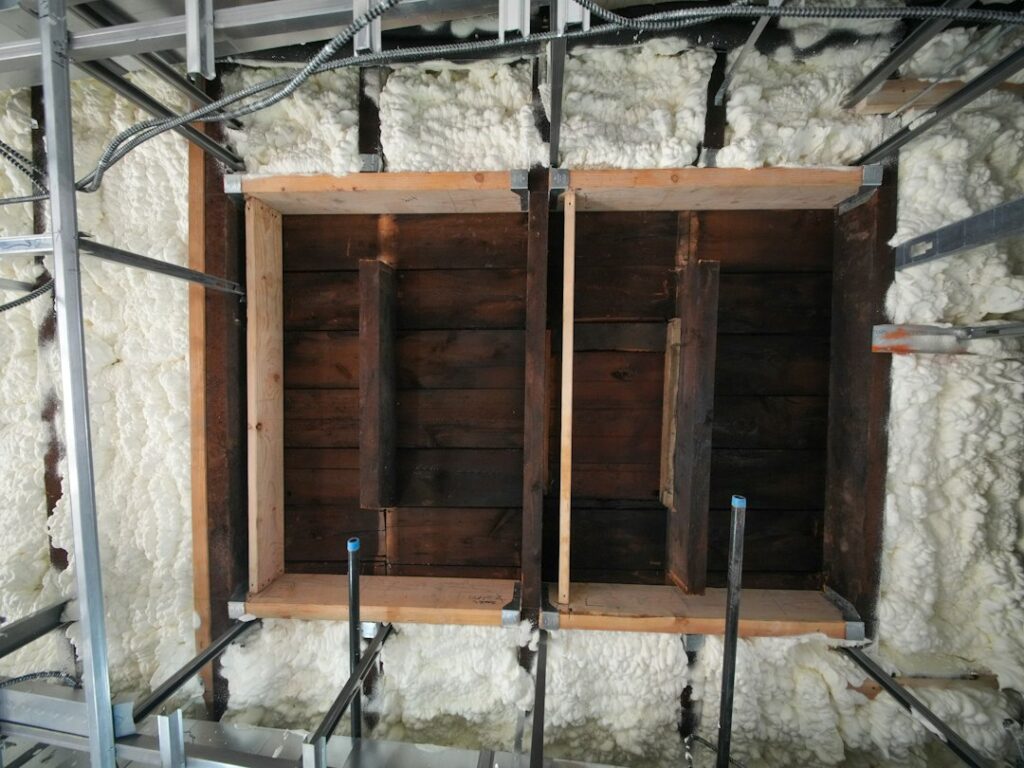
Spray foam fills and air seals in one step. Open-cell foam is lighter and cheaper; closed-cell foam is denser, adds rigidity and acts as a vapor retarder. Spray foam involves chemical components and requires trained installers with protective gear and ventilation, so it is not a DIY material beyond small canned-foam gap filling. Occupants generally leave the house during application and for the curing period specified by the installer.
Health, Fire and Environmental Considerations
Comfort during installation is only one reason people look for alternatives. Many homeowners also care about indoor air quality, fire behavior and recycled content. Mineral wool and sheep wool resist flame naturally, and mineral wool can withstand very high temperatures without melting. Cellulose and cotton rely on borate treatments for fire resistance, which work well when the product stays dry and intact.
Recycled content is high in cellulose, cotton denim and many mineral wool products, while foam boards and spray foam are petroleum based. Some foam products use blowing agents with a high global warming impact, though newer formulations have improved. If low emissions matter to you, look for products certified for low chemical off-gassing and formaldehyde-free binders. People with allergies or sensitivities often prefer cotton or wool, but anyone working in an attic should still wear a dust mask, since old dust and debris are disturbed no matter which product goes in.
Pest resistance is another practical point. Rodents can nest in almost any soft insulation, so the real fix is sealing entry holes on the exterior and around utility penetrations. Borate-treated products discourage insects, and mineral wool offers little food or nesting value.
How to Choose by Location
- Exterior walls (open studs): mineral wool or cotton batts for DIY; spray foam if you want air sealing built in.
- Existing closed walls: dense-pack cellulose blown through small holes.
- Attic floor: loose-fill cellulose after air sealing.
- Basement walls and rim joists: rigid foam board or closed-cell spray foam, which handle moisture best.
- Interior sound walls: mineral wool or cotton.
- Around chimneys and as fire blocking: mineral wool only, following clearance rules.
Installation Tips and Troubleshooting
- Air seal first. Caulk and foam gaps around top plates, wires and plumbing before insulating. Insulation does not stop air leaks.
- Do not compress batts. Squashed insulation loses R-value. Split batts around wires and pipes instead of stuffing them behind.
- Mind the vapor control. Cold climates often need a vapor retarder on the warm side of the wall; check local code before adding plastic sheeting.
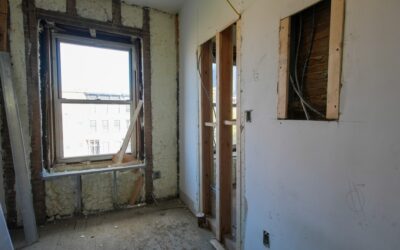
- Older homes: before opening walls or ceilings built before the 1980s, test for asbestos in plaster, joint compound and old insulation such as vermiculite, and test pre-1978 paint for lead.
- Damp smells after insulating: there is a moisture or ventilation problem. Find and fix the source before it becomes mold.
Cost Ranges and When to Call a Pro
Per square foot, loose-fill cellulose is usually the cheapest non-glass option, mineral wool batts cost a bit more than typical fiberglass, and cotton, wool and spray foam rank highest. Professional installation of blown or spray products commonly costs more than DIY batts, but the air sealing they provide can make the difference worthwhile.
Hire an insulation contractor for spray foam, dense-pack wall retrofits, or attics with knob-and-tube wiring, which should be evaluated by a licensed electrician before any insulation touches it. A home energy audit, often subsidized by utilities, can show where non fiberglass insulation will give you the most comfort for the money. Whichever material you choose, sealing air leaks and getting full coverage matters more than the brand of fiber you buy.
Frequently Asked Questions
Is mineral wool itchy like fiberglass?
Most people find mineral wool much less itchy, though it still sheds some dust. Gloves, long sleeves and a dust mask keep handling comfortable.
What insulation is safest to handle without gloves?
Cotton denim and sheep wool batts are soft and generally safe to handle bare-handed. Wearing a basic dust mask while cutting is still a good habit.
Is cellulose better than fiberglass in an attic?
Blown cellulose fills gaps around framing and wiring very well and costs little per R-value. It is a strong attic choice once air leaks are sealed and recessed lights are rated for contact.
Which non-glass insulation works in a basement?
Rigid foam board or closed-cell spray foam handle moisture best on basement walls and rim joists. Avoid cotton or cellulose against concrete that can get damp.
Does natural fiber insulation attract pests?
Cotton, cellulose and wool products are usually treated with borates or similar additives to resist insects and rodents. Seal entry points around the house as well.