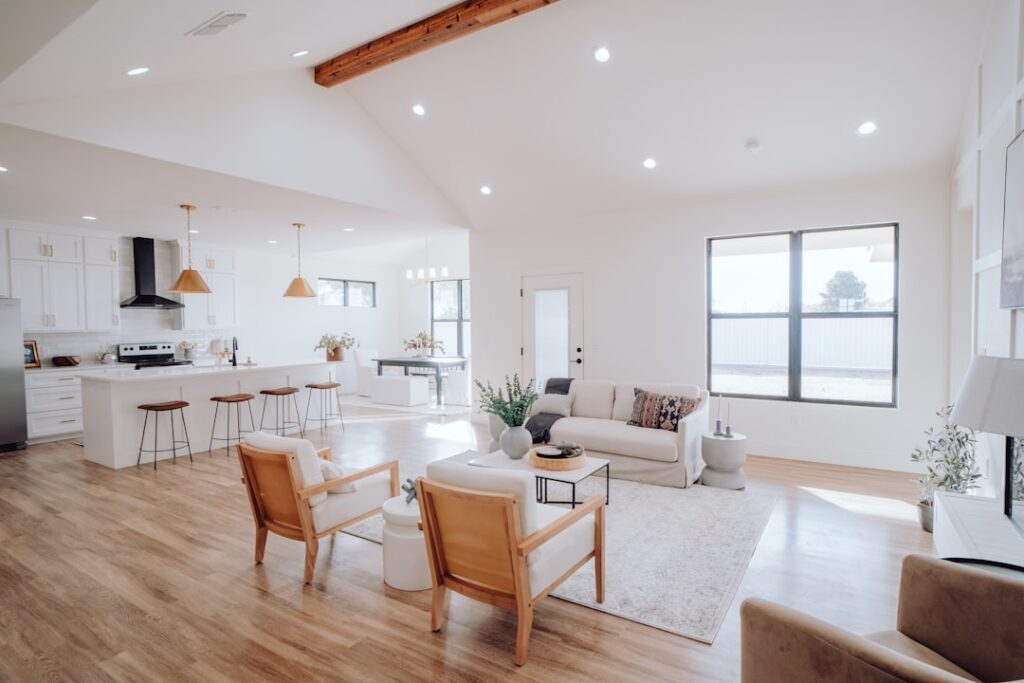
The word gets thrown around loosely, so let’s be clear: there’s no USDA seal for floors. Organic flooring is a practical shorthand for natural, renewable, low-toxicity materials that don’t off-gas a fog of chemicals into your home. Think cork, bamboo, genuine linoleum, wool carpet, and responsibly harvested wood. If indoor air quality, sustainability, and a healthier home matter to you, this category deserves a serious look, along with a clear-eyed understanding of what the label does and doesn’t promise.
What “Organic” Really Means Here
For flooring, “organic” isn’t a certified term; it describes materials derived from natural, often rapidly renewable sources and finished without harmful additives. The real goal behind the word is usually two things: minimizing volatile organic compounds (VOCs) that pollute indoor air, and choosing materials that don’t deplete the planet. A floor can be plant-based and still be glued down with toxic adhesive, so the whole system, including underlayment, adhesive, and finish, determines how genuinely healthy it is.
Look for third-party certifications like FloorScore, GREENGUARD Gold, or FSC for wood. These verify low emissions and responsible sourcing far better than a marketing buzzword.
The Main Natural Materials
Several proven flooring types fit the organic ideal. Each has a distinct feel and best use.
- Cork — harvested from bark that regrows, cork is soft, warm, sound-absorbing, and naturally antimicrobial.
- Bamboo — technically a grass, it matures in a few years and rivals hardwood in hardness when made well.
- Natural linoleum — the real thing is made from linseed oil, cork dust, wood flour, and jute, not to be confused with vinyl.
- Wool carpet — a renewable animal fiber that’s naturally flame-resistant and free of synthetic petrochemicals.
- FSC-certified hardwood — real wood from forests managed for long-term health.
Why People Choose It
The pull toward natural floors is about more than trend. Families with allergies or chemical sensitivities notice the difference when a floor isn’t gassing off formaldehyde or plasticizers. The benefits stack up:
- Better indoor air — low or zero VOC emissions when properly certified.
- Renewable sourcing — cork, bamboo, and linoleum replenish quickly.
- Biodegradability — genuine linoleum and natural fibers break down at end of life.
- Comfort and warmth — cork and wool feel soft and cozy underfoot.
- Natural resistance — cork resists mold and pests; wool resists flame and soiling.
The Honest Drawbacks
Natural doesn’t mean indestructible, and these floors ask for a few compromises.
- Moisture sensitivity — cork, bamboo, and linoleum can be damaged by standing water and high humidity.
- Cost — certified natural linoleum and FSC hardwood often cost more than conventional alternatives.
- Maintenance — natural linoleum and cork may need periodic sealing or refinishing.
- Denting and fading — cork dents under heavy furniture; some bamboo and wood fade in direct sun.
- Greenwashing — products marketed as “natural” may still hide synthetic backings or adhesives.
Don’t Get Fooled by Greenwashing
This is the most important section for shoppers. “Linoleum” is the classic trap: true linoleum is plant-based, but most flooring sold loosely as “lino” is actually petroleum-based vinyl. Read the product description carefully. The same caution applies to bamboo, where cheap versions use formaldehyde-heavy adhesives that undercut the whole point. Demand the certification documents, ask what adhesive and finish are recommended, and choose low-VOC, water-based options. A genuinely organic floor is only as healthy as its least natural component.
Cost and Where Each Works
Pricing varies widely, but rough material ranges help with planning: cork $3 to $8 per square foot, bamboo $2 to $7, natural linoleum $4 to $7, wool carpet $5 to $20, and FSC hardwood $5 to $12 and up. Match the material to the room. Cork and wool shine in bedrooms and living rooms where comfort and quiet matter. Bamboo handles general living areas well. Natural linoleum is a durable, retro-friendly choice for kitchens if sealed and maintained. Keep all of them out of bathrooms and basements unless the product is specifically rated for moisture.
Installation and Care Tips
Use the low-VOC adhesives and finishes the manufacturer specifies, since the wrong glue can negate a floor’s clean credentials. Acclimate wood and bamboo in your home before installation to prevent gapping. Seal natural linoleum and cork as directed and reapply finish on schedule. Protect every natural floor from grit with mats and felt furniture pads, wipe spills promptly, and control indoor humidity. With reasonable care, these floors last for decades and can often be refinished rather than replaced.
Certifications Worth Looking For
Because “organic” and “natural” aren’t regulated for flooring, third-party certifications are your best protection against marketing fluff. Each verifies a different aspect of a product’s health and sustainability claims, and a genuinely clean floor usually carries more than one.
- FloorScore — certifies low VOC emissions for indoor air quality, widely used across hard flooring.
- GREENGUARD Gold — a stringent emissions standard suitable for sensitive environments like schools and homes with children.
- FSC (Forest Stewardship Council) — verifies wood comes from responsibly managed forests.
- CARB Phase 2 or TSCA Title VI — limits formaldehyde in composite wood and bamboo products.
- Cradle to Cradle — assesses the full lifecycle, from materials to recyclability.
When comparing two “natural” floors, the one with credible certifications is the safer bet. Ask the retailer for the documentation rather than taking a label at face value, and treat the absence of any certification as a reason to dig deeper before you buy. Keep in mind that certifications cover different things, so a floor with low VOC emissions might still come from poorly managed forests, and FSC-certified wood might be finished with a high-VOC coating. Reading more than one certification, plus the recommended adhesive and finish, gives you the complete picture of how clean a floor really is.
Is Organic Flooring Right for You?
If healthier indoor air and a smaller environmental footprint rank high on your list, natural flooring is a meaningful upgrade over conventional synthetics. Just remember that “organic” is a guidepost, not a regulated promise. Verify low-VOC and responsible-sourcing certifications, scrutinize linoleum and bamboo claims especially closely, and pair the floor with clean adhesives and finishes. Do that homework, and you’ll get a beautiful floor that’s genuinely better for your family and the planet.
Prefer to explore on your own?
See how new flooring looks in your actual room in seconds — free, no signup.
Try the free Floor Studio →