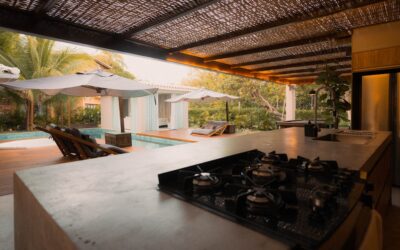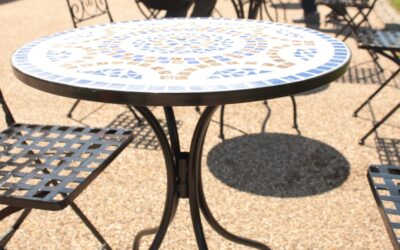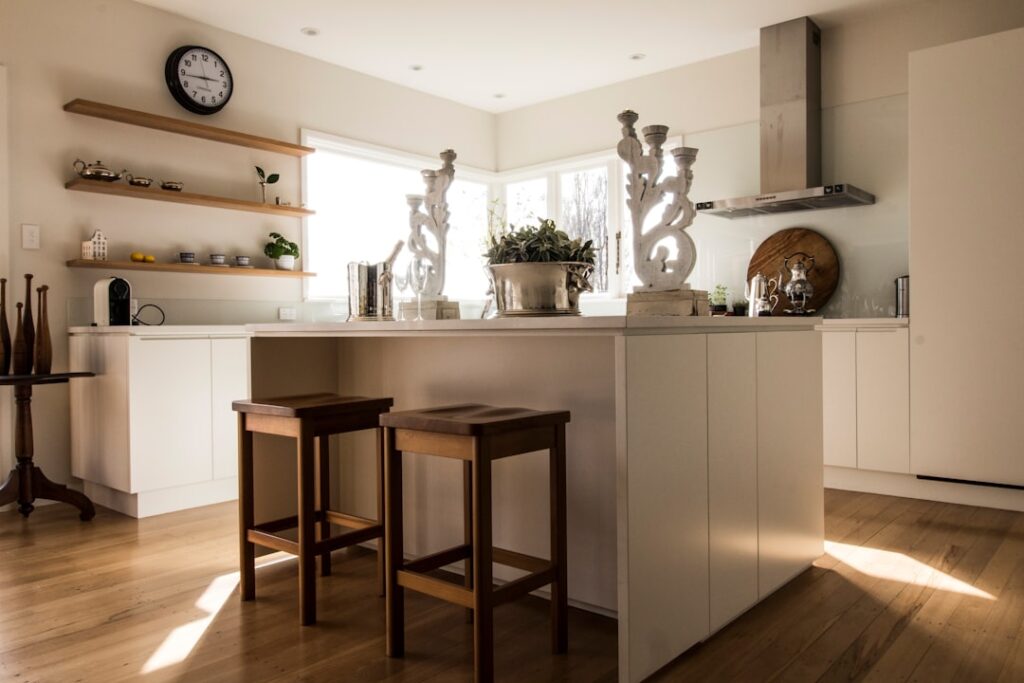
The table that looks stunning in the showroom can turn into a warped, rusted eyesore after one summer if it was not built for the outdoors. Choosing the right outdoor kitchen table comes down to matching the material to your climate, sizing it to your space and gatherings, and understanding what maintenance each surface demands. Whether it anchors a full outdoor kitchen or serves as a patio dining spot, the right table becomes the hub of warm-weather living, so it is worth getting right.
Part of our Kitchen Remodeling guide — explore the full guide →
What to Look for in an Outdoor Kitchen Table
An outdoor table faces sun, rain, temperature swings, and humidity that indoor furniture never sees. The three things that determine whether it lasts are the material, the construction, and the finish. A quality outdoor table uses weather-rated materials, corrosion-resistant hardware, and a finish or sealant designed for UV and moisture.
Function matters too. Near a grill or outdoor kitchen, you want a surface that resists heat marks and cleans easily, since spills, grease, and sunscreen all end up on it. Prioritize durability first and looks second, because a beautiful table that degrades in a season is no bargain.
Best Materials Compared
Material is the single biggest decision. Here is how the common options hold up.
- Teak: naturally oily hardwood that resists rot and insects, ages to a silver-gray patina, premium at $800 to $3,000-plus
- Aluminum: lightweight, rustproof, powder-coated, great value at $300 to $1,200
- Stainless steel: sleek and durable, pairs with modern outdoor kitchens, can get hot in sun
- Concrete or stone: heavy, extremely durable, heat-resistant, ideal near a grill, $600 to $2,500
- HDPE poly lumber: recycled plastic that mimics wood, zero maintenance, fade-resistant
- Wrought iron: heavy and sturdy but needs rust management
For a table sitting beside a grill, I lean toward concrete, stainless, or teak because they take heat and grease in stride. In coastal or humid climates, aluminum and HDPE avoid the rust and rot that plague iron and untreated wood.
Do not overlook the base and the tabletop thickness when judging quality. A wide pedestal or four sturdy legs on levelers keep the table stable on uneven pavers, while a flimsy base wobbles the moment someone leans on it. On stone and concrete tables, a top of at least 1 1/2 to 2 inches resists cracking; thinner slabs chip at the edges. For wood, look at how the boards are joined, since gaps that trap water lead to rot. These construction details matter more for longevity than the brand name on the tag.
Sizing and Seating Capacity
Measure your patio, then subtract at least 3 feet of clearance around the table so chairs pull out and people walk past comfortably. Standard seating math helps you match table size to your crowd:
- 4 seats: about 36 to 44 inches square or round, or a 48-inch rectangle
- 6 seats: about 60 to 72 inches long rectangular, or 54-inch round
- 8 seats: about 84 to 96 inches long rectangular
- 10-plus seats: 96 inches and longer, or two tables
Allow roughly 24 inches of table edge per person for elbow room. Round tables encourage conversation and fit tight patios; long rectangles suit big families and narrow decks. Standard dining height is about 29 to 30 inches, while counter and bar-height tables run 36 and 42 inches for a more casual, mingling feel near an outdoor bar.
Matching the Table to Your Outdoor Kitchen
If the table is part of a built-in outdoor kitchen, coordinate finishes. Stainless appliances pair naturally with a stainless or concrete table, while a stone or masonry kitchen island looks cohesive with a concrete or teak top. Keep the table close enough to the cooking zone for easy serving, usually within 6 to 10 feet, but far enough that grill heat and smoke do not blow over diners.
Consider a table with a built-in feature if you entertain often. Options include a center ice trough for drinks, a fire-pit table for cool evenings, or a lower shelf for serving platters. These add genuine function to gatherings rather than just filling space.
Think about the chairs as part of the table decision, since seating drives comfort and storage. Stackable aluminum or resin chairs store easily and resist weather. Cushioned dining chairs are far more comfortable for long meals but require weather-resistant, quick-dry cushions in solution-dyed fabric, and you will want a deck box or indoor space to stash cushions in the rain. Match chair height to the table: standard 29- to 30-inch tables pair with 18-inch seat-height chairs, while a 36-inch counter table needs 24-inch stools and a 42-inch bar table needs 30-inch stools.
What It Costs
Budget honestly by material and size. A basic aluminum or steel dining set runs $300 to $800. Mid-range teak or quality powder-coated aluminum tables land at $800 to $2,000. Premium concrete, high-end teak, or custom stainless tables reach $2,000 to $4,000 and beyond. Fire-pit dining tables typically add $500 to $1,500 over a plain table of the same size.
Remember to budget for chairs and an umbrella. A quality market umbrella with a base runs $150 to $500 and dramatically extends how usable the table is in midday sun.
Weather Protection and Maintenance
Every material has a care routine, and following it is what separates a table that lasts 15 years from one that fails in three.
- Teak: let it silver naturally, or apply teak oil once or twice a year to keep the golden tone
- Aluminum: wipe with mild soap and water; touch up chips in the powder coat to prevent oxidation
- Concrete: reseal every 1 to 2 years to prevent staining and cracking
- Stainless: clean with the grain, use a stainless cleaner to remove tea-staining spots in salt air
- Wrought iron: sand and repaint rust spots promptly with rust-inhibiting paint
Regardless of material, a fitted, breathable cover is the cheapest insurance you can buy. A $40 to $100 cover shields the table from UV and standing water during the off-season and pays for itself many times over. In freezing climates, store cushions indoors and cover or bring in lightweight tables during winter.
Shape and Placement Tips
Table shape affects both flow and comfort on a patio. Rectangular tables seat the most people and fit naturally against a wall or along a deck rail, making them the workhorse for family dinners. Round tables spark conversation and navigate tight or angular patios well, since there are no corners to bump. Square tables suit intimate four-tops and small balconies. Oval offers a compromise, seating many while softening the hard corners.
Placement matters as much as shape. Position the table so prevailing wind carries grill smoke away from diners, not toward them. Keep it on a level, stable surface, since pavers that have heaved will rock a rigid table and spill drinks. If the spot gets full afternoon sun, plan for shade with an umbrella, a pergola, or a nearby wall, because a metal or stone tabletop in direct summer sun can become too hot to touch by midafternoon.
Convertible and Space-Saving Options
Not every patio has room for a permanent eight-seater, and several designs solve that. Extendable tables with a butterfly or slide-out leaf let you seat four day-to-day and expand to eight for guests. Adjustable-height tables convert from a coffee-table height for lounging to dining height for meals, which is handy on a small deck that has to do double duty. Drop-leaf and folding tables tuck away entirely for winter storage or to free the space for other uses.
Bar-height and counter-height tables are another smart move for entertaining. At 36 to 42 inches tall, they invite guests to stand and mingle around the grill, and they pair naturally with a built-in outdoor bar or island. If your gatherings are more cocktail party than sit-down dinner, a taller table with a few stools often serves better than a full dining set that mostly sits empty.
Making Your Choice
The best outdoor kitchen table for you balances your climate, your crowd size, and how much maintenance you are willing to do. If you want zero upkeep, choose aluminum or HDPE poly. If you want natural beauty and will do a little seasonal care, teak is timeless. For a table that lives right next to the grill and shrugs off heat, concrete or stainless is hard to beat. Size it with 3 feet of clearance and 24 inches per diner, add an umbrella and a cover, and you will have a durable centerpiece for outdoor meals that holds up season after season.