If you are still applying weed killer with a watering can or staining a fence brush by brush, you are working twice as hard as you need to. A good outdoor sprayer turns hours of yard work into minutes by delivering an even, controlled mist exactly where you want it. The catch is that “outdoor sprayer” covers everything from a $10 handheld bottle to a $300 gas-powered rig, and using the wrong type for the job wastes both product and time. This guide walks through the main types, what each does best, and how to keep one working season after season.
Part of our Windows & Doors guide — explore the full guide →
The Main Types of Outdoor Sprayers
Most homeowner sprayers fall into four categories, each suited to a different scale of work.
- Handheld pump sprayers: Typically 1 to 2 quarts. You pump a trigger or plunger to build pressure. Best for spot-treating weeds and small jobs.
- Tank pump sprayers: The classic 1 to 3 gallon canister with a hand pump and a wand. The workhorse of most garages.
- Backpack sprayers: 4 gallons on average, worn on your shoulders with a pump lever at your side. Ideal for larger yards and long sessions.
- Battery and gas sprayers: Powered units that maintain constant pressure with no manual pumping, built for acreage and heavy use.
Matching the Sprayer to the Job
Small Spot Treatments
For killing weeds in driveway cracks or treating a few rose bushes, a 1-quart handheld sprayer is plenty. It is cheap, stores easily, and you can keep a dedicated one for each chemical so you never cross-contaminate.
General Lawn and Garden Care
A 2-gallon tank sprayer handles the average suburban lot. It holds enough solution to cover a typical front or back yard without constant refilling, yet stays light enough to carry. This is the size most homeowners should own.
Large Properties and Fence Staining
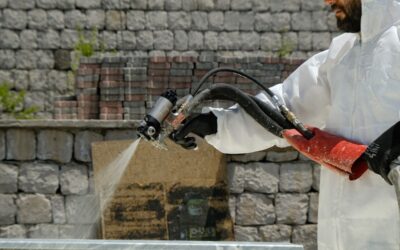
Once you are covering more than a quarter acre, or staining a long fence or deck, a 4-gallon backpack sprayer saves your back and your time. The shoulder-mounted weight is easier to manage than dragging a tank, and the wand reaches into tight spots a brush cannot.
Pressure, Nozzles, and Coverage
The nozzle does more for your results than the tank does. Most quality sprayers come with an adjustable brass or poly nozzle that twists from a fine mist to a solid stream. Use a fine cone mist for even coverage on foliage, and a focused stream to reach a weed at the base of a fence without drift.
Manual sprayers run roughly 30 to 40 psi when fully pumped, and pressure drops as you spray, which is why your coverage gets uneven near the end of a tank. Battery sprayers hold a constant 40 to 60 psi, giving you a uniform application from the first squeeze to the last. For staining and sealing, that consistency genuinely matters to the finish.
Common Uses Around the Home
An outdoor sprayer is one of the most versatile tools in the garage. Beyond herbicides, homeowners reach for one to:
- Apply liquid fertilizer and foliar feeds across a lawn.
- Spray insecticides and fungicides on gardens and shrubs.
- Pre-treat decks and siding with cleaning solution before pressure washing.
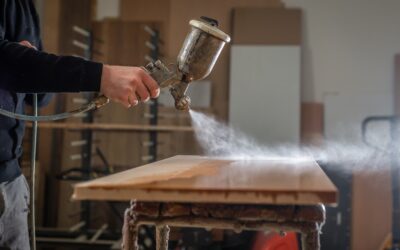
- Apply deck stain, fence sealer, and exterior wood treatments evenly.
- Mist water on plants during dry spells or knock down dust on gravel drives.
A simple but important rule: dedicate separate sprayers, or at minimum label them clearly, for herbicides versus everything else. Even a trace of leftover weed killer can damage the plants you are trying to feed.
Maintenance That Doubles a Sprayer’s Life
Sprayers fail for one reason more than any other: people put them away dirty. After every use, empty any leftover solution, fill the tank with clean water, and spray it through the wand and nozzle to flush the lines. Skip this and dried chemical clogs the tiny nozzle orifice, the most common failure point.
A few times a season, disassemble the nozzle and soak the parts in warm soapy water to clear buildup. Keep the rubber O-rings and seals lubricated with a dab of silicone grease so they do not dry out and leak. Before winter, drain the unit completely and store it indoors, because freezing water cracks tanks and pump cylinders. With this routine, a $40 sprayer easily lasts a decade.
Safety When Spraying Chemicals
Treat every chemical application like the job it is. Wear chemical-resistant gloves, eye protection, long sleeves, and closed shoes. Spray on a calm day, because even a light breeze carries herbicide drift onto plants, pets, and neighbors you did not intend to treat. Always read the product label for the correct dilution ratio, and never mix products unless the label explicitly says it is safe. After you finish, wash your hands and store concentrates out of reach of children and pets.
Getting an Even, Streak-Free Application
Technique matters as much as the tool, especially when staining or applying weed killer. Keep the wand a consistent distance from the surface, usually 12 to 18 inches, and move it in steady, overlapping passes rather than pausing in one spot, which causes puddling and drips. For staining a fence or deck, work in manageable sections and back-brush the stain in with a brush or roller right after spraying; the sprayer lays the product down fast and even, and the back-brushing works it into the wood grain for a uniform finish.
When applying herbicide, spray just until the foliage is wet but not dripping, since runoff wastes product and can harm nearby plants. A common rookie mistake is over-applying in the belief that more is better; with most yard chemicals, the correct dilution applied evenly outperforms a heavy, uneven dose every time. Calibrate by spraying a measured area with water first so you learn how far a tankful actually goes.
How Much to Spend
A basic 1-quart handheld runs $8 to $15. A solid 2-gallon tank sprayer costs $25 to $50, and that is the sweet spot for most homeowners. Quality 4-gallon backpack sprayers fall in the $80 to $150 range, while battery-powered models start around $100 and climb to $300 for commercial-grade units. Buy the size that matches your largest regular job rather than the cheapest one, because an undersized sprayer turns a quick chore into an endless refill marathon.
Final Takeaway
The right outdoor sprayer is the one sized to your property and the work you do most. A 2-gallon tank covers most suburban needs, a backpack model earns its keep on larger lots, and a handheld is perfect for spot jobs. Whatever you choose, flush it after every use, store it indoors over winter, and respect the chemicals you put in it. Do that, and this simple tool will pay for itself in saved time every single season.