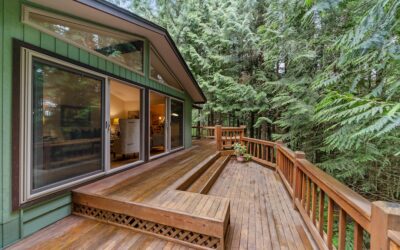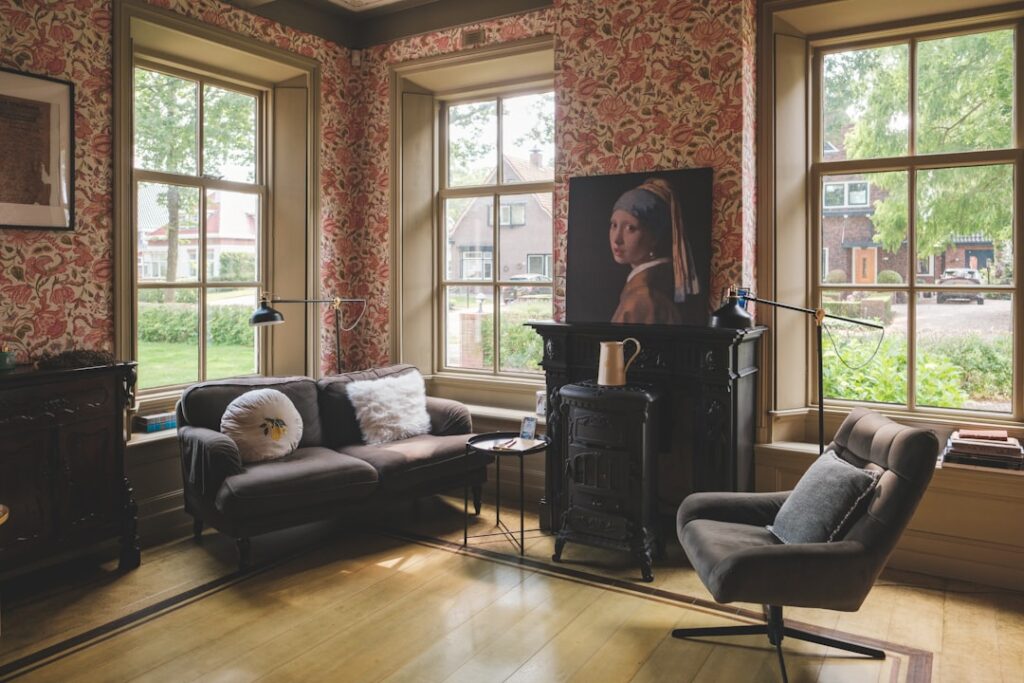
Painting a house is the highest-return cosmetic project most homeowners undertake — a $4,000-$8,000 exterior paint job adds $5,000-$15,000 to perceived home value and protects siding for another decade. The catch is that the work is far more about prep than paint. Anyone can roll color onto a wall. Getting paint to bond, level, and last takes the boring 70% of the project: washing, scraping, caulking, priming, and patching. Plan to paint house exteriors or interiors with the same discipline a contractor brings, and the finish will look professional and last 7-10 years instead of 3.
Part of our Paint & Walls guide — explore the full guide →
- Interior vs Exterior: Different Animals
- Real Cost to Paint House Interior
- Real Cost to Paint House Exterior
- Recommended Paint by Brand and Line
- Prep Steps That Make or Break a Job
- Application Technique
- Weather and Timing for Exterior Work
- Common Mistakes That Cut Paint Life in Half
- When to Hire a Contractor
Interior vs Exterior: Different Animals
Interior painting is forgiving. The substrate is mostly drywall, the conditions are climate-controlled, and the paint film does not have to fight UV, rain, or freeze cycles. Exterior painting punishes shortcuts. Skipped pressure washing leaves dust under the new paint that delaminates within months. Insufficient caulking lets water behind siding. Wrong-temperature application leaves the paint film weak.
Average DIY job timelines for a typical 2,400 sq ft single-family home:
- Interior whole-house repaint: 80-140 hours over 2-3 weeks
- Exterior whole-house repaint: 60-100 hours over 1-2 weeks of dry weather
Most homeowners underestimate both timelines by half.
Real Cost to Paint House Interior
Hiring out a full interior repaint of a typical 2,400 sq ft home runs $4,000-$10,000 depending on region and prep needed. DIY material costs run $800-$1,800 if you do the labor yourself.
Material breakdown for DIY interior:
- Wall paint: 12-18 gallons at $40-$70/gal = $480-$1,260
- Ceiling paint: 5-8 gallons at $30-$50/gal = $150-$400
- Trim paint: 3-5 gallons at $50-$75/gal = $150-$375
- Primer (where needed): 4-6 gallons at $25-$40/gal = $100-$240
- Brushes, rollers, drop cloths, painter’s tape: $150-$300
- Caulk, spackle, sandpaper: $50-$100
Pro tip: skip the cheap $20 paint. The cost difference between a $30 gallon and a $60 gallon is meaningful in coverage, leveling, and durability. A premium paint covers in two coats while cheap paint often needs three.
Real Cost to Paint House Exterior
Contractor bids for a typical 2,400 sq ft exterior come in at $4,000-$10,000 for vinyl or wood siding, $7,000-$18,000 for stucco or brick. DIY materials run $1,200-$2,500.
The exterior labor is more demanding because of ladders, weather windows, and prep volume. Most homeowners who DIY the interior hire out the exterior — which is the right call unless you genuinely enjoy ladder work.
Recommended Paint by Brand and Line
Interior Walls
- Sherwin-Williams Emerald or Duration Home: Best one-coat coverage in mid-grade. Around $80/gallon
- Benjamin Moore Aura or Regal Select: Premium leveling, less brush marks. $80-$95/gallon
- Behr Dynasty (at Home Depot): Strongest big-box performer, $55-$70/gallon
- PPG Diamond: Strong stain resistance for kitchens and bathrooms
Exterior
- Sherwin-Williams Emerald Exterior or Duration Exterior: 25+ year reputation for fade and chalk resistance
- Benjamin Moore Aura Exterior: Premium top tier, sub-1.0 perm rating for excellent moisture management
- Behr Marquee Exterior: Best big-box performer with solid 10-year claim
Trim and Doors
- Benjamin Moore Advance: Water-based alkyd, dries hard like oil but cleans up like latex
- Sherwin-Williams ProClassic Waterborne Acrylic-Alkyd: Levels beautifully, pro favorite
Prep Steps That Make or Break a Job
Interior Prep
- Move furniture to the center of the room or out entirely
- Cover floors with canvas drop cloths (not plastic — paint pools on plastic)
- Remove outlet covers and switch plates, label them with painter’s tape
- Patch nail holes with lightweight spackle, sand smooth with 120-grit
- Caulk gaps where trim meets walls and at ceiling-wall junctions if visible
- Tape edges with quality painter’s tape (FrogTape or Scotch Blue)
- Spot-prime any patches and stains with stain-blocking primer
- Wipe walls with a damp microfiber to remove dust and cobwebs
Exterior Prep
- Pressure wash siding with house wash solution at 1,500-2,000 PSI, let dry 24-48 hours
- Scrape any flaking paint with a 5-in-1 tool and stiff scraper
- Sand scraped areas to feather edges with 80-100 grit
- Spot-prime bare wood and bleeding stains with oil-based or shellac primer
- Caulk every gap larger than 1/16 inch around windows, doors, trim, and joints
- Repair any rotten wood with epoxy wood filler or by replacement
- Cover plants, sidewalks, and driveways with drop cloths and plastic
- Remove or mask shutters, light fixtures, and house numbers
Application Technique
The professional approach is “cut, then roll” on walls. Cut a 2-3 inch band along edges and corners with a 2.5-inch angled brush, then roll the field within 10-15 minutes before the cut paint dries — this prevents lap marks where the brush and roller paint meet.
For walls, use a 9-inch roller with a 3/8-inch nap on smooth drywall, 1/2-inch on lightly textured. Roll in W or M patterns to distribute paint, then back-roll vertically to even out the coverage.
For exterior siding, an airless sprayer (Graco Magnum X7 or X5) is the right tool above 1,500 sq ft of wall area. Spray and back-brush — apply with the sprayer, then immediately work the paint into the substrate with a brush. This is what separates pros from amateur sprayers who leave paint sitting on top of the surface.
Weather and Timing for Exterior Work
Modern exterior paints want application between 50°F and 85°F with low humidity and no rain in the 24-hour forecast. Painting outside that window kills durability:
- Below 50°F: Paint film does not coalesce properly, fails within 1-3 years
- Above 90°F or in direct sun: Surface dries before the paint levels, leaving brush and roller marks
- High humidity (>85%): Extended dry time, surfactant leaching, chalky finish
- Within 24 hours of rain: Paint washes off freshly painted siding
Best windows in most US climates: late April through mid-June, then September through October. Avoid August in the southeast and December anywhere with night temps below 50°F.
Common Mistakes That Cut Paint Life in Half
- Skipping the pressure wash on exterior — chalk and biofilm prevent adhesion
- Painting over peeling paint without scraping back to a sound substrate
- Using exterior paint inside or interior paint outside
- Cheap brushes and rollers — Purdy or Wooster brushes and microfiber rollers cost $15-$25 and save hours of effort
- Tipping off paint while it is already drying, leaving brush marks set into the film
- Applying second coat before first is fully dry — most modern paints want 4 hours minimum, longer in humid weather
- Rolling without a back-roll on exterior — leaves the paint film weakly bonded
When to Hire a Contractor
DIY makes sense for interior painting if you have time and patience. Hiring out makes sense when:
- The exterior involves more than one story
- Lead paint is suspected (homes built before 1978 require certified abatement contractors)
- Stucco or masonry surfaces with cracks need patching expertise
- You need the work done in under two weeks
- Your time is worth more than the labor cost saved
Whether you DIY or hire, the difference between a paint job that lasts 4 years and one that lasts 10 is in the prep. Wash, scrape, caulk, prime, and only then paint — and you will be staring at the same crisp color a decade from now.