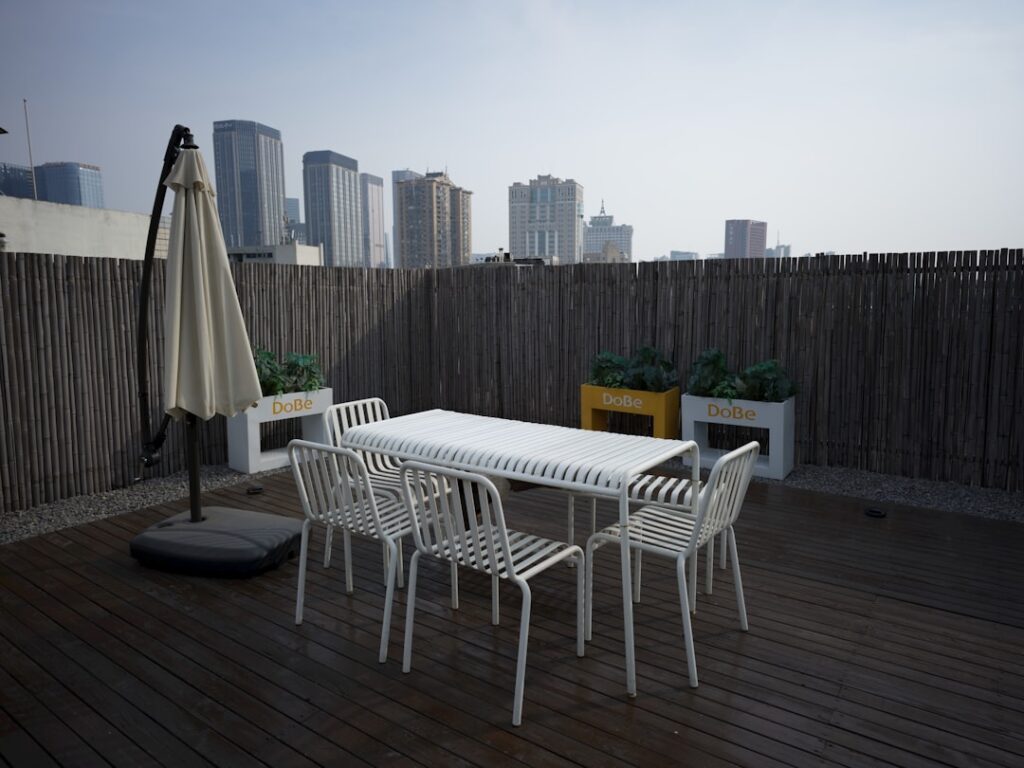
Good patio planter boxes turn a bare slab of concrete or decking into a living space, and after years of building and specifying them for clients I can tell you the successful ones share three traits: the right size for the plant, real drainage, and a weight you can actually move. Get those wrong and you end up with root-bound plants sitting in a swamp on a container too heavy to shift.
- Material Choices for Patio Containers
- Sizing Your Boxes to the Plants
- Drainage Is Not Optional
- Self-Watering Boxes: When They Pay Off
- Weight, Wheels, and Moving Your Boxes
- Plant Picks That Thrive in Patio Boxes
- Watering and Feeding Container Plants
- Seasonal Care and Overwintering
- Cost: Build or Buy?
- Arranging Boxes for the Best Effect
This guide covers the materials worth buying, how to size and drain a box correctly, when a self-watering design earns its keep, and what the whole thing costs whether you build or buy. Use it to spec containers that thrive on a hot patio all summer.
Material Choices for Patio Containers
Each material trades off looks, weight, insulation, and price. Here is how they stack up for patio use.
- Cedar and hardwood: Naturally rot-resistant, insulates roots from heat, looks warm. Lasts 8 to 15 years. Mid to high cost.
- Fiberglass and composite resin: Lightweight, frost-proof, mimics stone or wood. Excellent for large boxes you move. Higher up-front cost, $80 to $300 each.
- Glazed ceramic: Beautiful and heavy, holds moisture well, but cracks in hard freezes and is a two-person lift. Mid cost.
- Metal (galvanized or corten steel): Modern look, very durable, but conducts heat and can cook roots in full sun unless lined.
- Plastic and polypropylene: Cheapest and lightest, fine for a season or two, but fades and gets brittle in UV.
For a sunny patio, I lean toward cedar or fiberglass. Both keep root zones cooler than metal or thin plastic, which matters because a dark container in direct sun can push soil temperatures past 100 degrees Fahrenheit and stress roots.
Sizing Your Boxes to the Plants
The most common patio mistake is a container that is too small. Roots need volume, and small pots dry out in hours on a hot day. Match the box to what you want to grow.
- Herbs and lettuce: 8 to 10 inches deep, any width.
- Peppers, bush tomatoes, and flowers: 12 to 16 inches deep, at least 14 inches wide.
- Full-size tomatoes, dwarf shrubs, and small trees: 18 to 24 inches deep and wide, holding 15 to 20 gallons of soil.
A rectangular box 36 inches long, 12 inches wide, and 12 inches deep holds about 3 cubic feet of soil and gives you room for a row of herbs or three pepper plants. Longer boxes look great flanking a doorway or defining the edge of a deck, but remember that every added inch of soil is added weight.
Drainage Is Not Optional
No plant survives sitting in waterlogged soil, so drainage is the single most important build detail. Every box needs holes: at minimum, a half-inch drainage hole every 6 to 8 inches across the bottom, or one 1-inch hole per square foot of base.
Skip the old myth about a layer of gravel in the bottom; research shows it actually raises the saturated zone and does more harm than good. Instead, cover the drainage holes with a piece of landscape fabric or a coffee filter to keep soil in while letting water out, then fill with a quality potting mix, not garden soil, which compacts and suffocates roots in a container.
If your box sits directly on a wood deck, raise it on pot feet or 1-inch cleats so water drains freely and air circulates. A container sitting flat on decking will trap moisture and rot the boards underneath within a couple of seasons.
Self-Watering Boxes: When They Pay Off
Self-watering patio planter boxes use a hidden reservoir in the base and a wicking system that draws moisture up into the soil, so the plant sips as needed. On a hot patio where containers can dry out twice a day, this design is a genuine game-changer and can cut your watering to once or twice a week.
These systems shine for thirsty crops like tomatoes, cucumbers, and annual flowers. They are less useful for herbs like rosemary and lavender that prefer to dry out between waterings. A typical reservoir holds 2 to 4 gallons and includes an overflow hole so heavy rain cannot drown the roots. You can buy them ready-made from $40 to $150, or retrofit a plain box with a false bottom and a fill tube for about $20 in parts.
Weight, Wheels, and Moving Your Boxes
Wet potting soil weighs roughly 40 to 55 pounds per cubic foot. That means a modest 3-cubic-foot box can top 150 pounds once watered, and a big 20-gallon container easily exceeds 200 pounds. Plan for that before you fill it.
If you ever need to chase the sun, move boxes for a party, or bring tender plants under cover in fall, put them on wheels. A heavy-duty plant caddy or a set of locking casters rated for 200-plus pounds costs $15 to $40 and saves your back. For very large fiberglass boxes, choose the lightest material you can afford, because even empty weight adds up.
Another trick to cut weight in a deep box: fill the bottom third with lightweight filler such as empty capped plastic bottles or chunks of foam, then top with soil. Most plants only root in the top 12 to 18 inches, so you save both soil cost and weight without hurting growth.
Plant Picks That Thrive in Patio Boxes
Choose plants suited to container life and to your patio’s sun exposure. For a full-sun patio getting six or more hours, these perform reliably.
- Edibles: Cherry tomatoes, peppers, bush beans, salad greens, and strawberries.
- Herbs: Basil, thyme, oregano, mint (keep it in its own box, it is a bully), and rosemary.
- Flowers: Petunias, geraniums, marigolds, and salvia for constant color.
For shadier patios with under four hours of sun, switch to leafy greens, mint, coleus, ferns, and impatiens. Use the classic thriller-filler-spiller formula in mixed ornamental boxes: one tall centerpiece, mounding plants around it, and a trailing plant to cascade over the edge.
Watering and Feeding Container Plants
Containers dry out far faster than garden beds because they hold less soil and lose moisture from every exposed side. In peak summer heat, a small box in full sun may need watering twice a day, while a large one might go two to three days. Check by pushing a finger 2 inches into the soil; water when it feels dry at that depth, and water until it runs from the drainage holes so the whole root ball is soaked.
Frequent watering flushes nutrients out of the mix, so container plants need regular feeding. Mix a slow-release granular fertilizer into the soil at planting for a steady base, then supplement with a diluted liquid feed every one to two weeks during the growing season. Skip this and even a well-planted box will yellow and stall by midsummer as the potting mix runs out of stored nutrients.
Seasonal Care and Overwintering
Patio boxes take more weather abuse than in-ground beds because their roots sit exposed above the frost line. In cold climates, ceramic and terracotta can crack when wet soil freezes and expands, so either bring them under cover or empty and store them before hard frost. Fiberglass, wood, and heavy plastic generally ride out winter outdoors.
For perennials and small shrubs you want to keep in their boxes over winter, cluster the containers against a sheltered wall and wrap the sides with burlap or bubble insulation to buffer the root zone. Refresh the top few inches of potting mix each spring with fresh compost, and plan to fully replace the soil in an annual box every two to three years, since old mix compacts and loses structure.
Cost: Build or Buy?
Buying a quality patio planter box runs $40 for a basic plastic model up to $300 for a large fiberglass or cedar piece. Building your own from cedar boards is cheaper and lets you size it exactly. A 36-by-12-by-12-inch cedar box costs about $35 to $55 in lumber plus $15 in soil, and goes together in an hour with deck screws and a drill.
Whichever route you take, spend your money where it counts: adequate size, real drainage, and a material that will not cook your roots or crack in winter. Set the box up right the first time and it will anchor your patio for a decade of seasons.
Arranging Boxes for the Best Effect
How you group your patio planter boxes shapes the whole feel of the space. Odd-numbered clusters of three or five containers in varied heights read more naturally than a stiff single row. Use a tall box or a plant on a stand to draw the eye up, then step down to medium and low boxes around it so the arrangement has depth rather than a flat line.
Line boxes along a railing to soften a hard edge, flank a doorway with a matched pair to frame the entry, or run a long trough across the base of a fence to screen a view. Leave enough space between containers, at least a few inches, so air moves around the foliage and you can reach each plant to water and harvest. A crowded jumble of pots not only looks messy but also traps humidity and invites mildew, so give each box a little breathing room and the whole patio comes together.