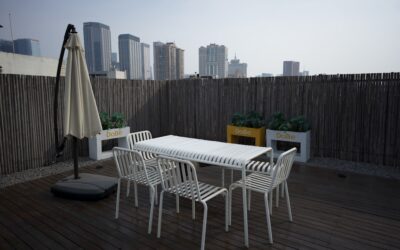
Ornamental grasses bring movement, height, and four-season texture to a patio in a way that flowers alone never can, swaying in the breeze and catching low evening light. The best ornamental grasses for pots on patio spaces are compact enough to stay in scale with a container yet tough enough to handle the heat and reflected warmth of a paved area. Container culture also lets you grow grasses that might be invasive in the ground, since the pot keeps them contained. Pick the right variety for your light and climate, give it a big enough pot, and you’ll have a low-maintenance focal point that looks good from spring through winter.
Part of our Decks & Outdoor guide — explore the full guide →
Why Grasses Thrive in Containers
Most ornamental grasses are remarkably forgiving in pots. They tolerate the heat radiating off patio pavers, recover quickly from drought, and have few pest problems. Their fibrous roots adapt well to container life, and the confined space conveniently limits the spread of varieties that would run wild in a garden bed.
Grasses also solve the design problem of vertical interest. A single tall grass adds a dramatic exclamation point to a cluster of low containers, and the airy plumes soften hard architectural lines. They earn their keep in winter too, when many flowering plants have died back, since the dried foliage and seed heads hold form through the cold.
Best Grasses for Full Sun
If your patio bakes in sun, choose heat-loving grasses. Purple fountain grass (Pennisetum setaceum ‘Rubrum’) is a top performer, with burgundy blades and fuzzy purple plumes that reach 3 to 4 feet. It’s grown as an annual in cooler zones and thrives in the warmth of a sunny container.
Blue fescue (Festuca glauca) forms tidy 12-inch mounds of steel-blue foliage, perfect for smaller pots and edges. For a bigger statement, feather reed grass (Calamagrostis ‘Karl Foerster’) stands upright to 4 or 5 feet and holds its golden seed heads all winter. All three want at least six hours of direct sun and well-draining soil.
Best Grasses for Shade
Shaded patios call for woodland-adapted grasses. Japanese forest grass (Hakonechloa macra) cascades gracefully over the edge of a pot in arching mounds of bright green or gold, and it actually prefers partial to full shade. Its flowing habit suits a raised container where the foliage can spill down.
Carex, or sedge, offers another shade-tolerant option in colors from chocolate to variegated cream. ‘Everillo’ lights up a dim corner with chartreuse foliage. These grasses want consistent moisture and won’t tolerate the bone-dry conditions that sun-loving varieties shrug off, so keep the soil evenly damp.
Compact Varieties for Small Spaces
Not every patio has room for a 5-foot grass. For tight balconies and small containers, look to dwarf and clumping varieties. Dwarf fountain grass ‘Hameln’ tops out around 2 feet, and blue oat grass forms neat 18- to 24-inch tufts of steely blue.
Black mondo grass, though technically not a true grass, gives a striking near-black, low mound that pairs beautifully with bright flowers. These smaller selections let you enjoy the texture of ornamental grasses without one plant overwhelming a modest patio or stealing all the floor space.
Choosing the Right Container
Pot size makes or breaks container grasses. Pick a pot at least 14 to 18 inches in diameter for medium grasses and 20 inches or more for tall varieties, since cramped roots dry out fast and stunt growth. Always choose a container with drainage holes, because grasses hate sitting in waterlogged soil.
Heavier pots of glazed ceramic or concrete resist tipping when a tall grass catches the wind. Use a quality potting mix, not garden soil, and consider mixing in a handful of perlite for the sharp drainage most grasses prefer. A layer of mulch on top helps retain moisture in summer heat.
Care and Overwintering
Container grasses are low-maintenance but not no-maintenance. Water regularly during the first season and in hot weather, since pots dry faster than the ground. Cut warm-season grasses back to a few inches in late winter before new growth begins, and divide crowded clumps every two or three years.
In cold climates, perennial grasses in pots are more exposed to freezing than those in the ground, so move containers to a sheltered spot or an unheated garage for winter, or sink the pot into a garden bed. Treat tender types like purple fountain grass as annuals. With the right variety and a generous pot, the best ornamental grasses for pots on patio reward you with graceful movement and texture across every season.
Pairing Grasses With Other Plants
Grasses look stunning on their own, but combining them with companions creates a richer container. A classic recipe uses the “thriller, filler, spiller” formula: a tall upright grass like feather reed grass as the thriller, mounding flowers such as petunias or coleus as the filler, and a trailing plant like sweet potato vine or creeping Jenny as the spiller.
Choose companions with matching light and water needs so the whole pot thrives together. Pair sun-loving purple fountain grass with drought-tolerant succulents or salvia, and combine shade-loving Japanese forest grass with hostas, ferns, or heuchera. The fine texture of grass plays beautifully against bold leaves and bright blooms, giving the container depth and contrast it wouldn’t have from flowers alone.
Seasonal Interest and Design Tips
One of the best reasons to grow ornamental grasses is their long season of beauty. They emerge fresh in spring, fill out and flower through summer, send up plumes in late summer and fall, and hold their dried seed heads and golden foliage well into winter. Leaving them standing through the cold months provides structure and catches frost and snow attractively.
For design impact, group several pots of varying heights together rather than scattering single containers. Repeat one grass variety across multiple pots for a cohesive, intentional look, and place taller grasses where they’ll be backlit by morning or evening sun to show off the translucent plumes. With a little planning, container grasses become the backbone of a patio display that earns its keep in every season of the year.