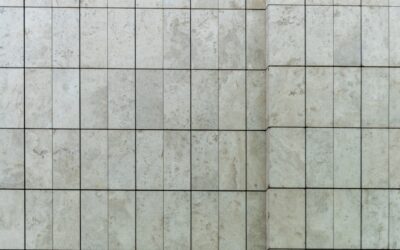
Peel and stick tiles for bathroom applications have opened up a world of design possibilities for homeowners who want to update their bathrooms without the cost and complexity of traditional tile installation. These self-adhesive tiles can transform bathroom floors, walls, and backsplashes in a single weekend with nothing more than a utility knife and a tape measure.
Part of our Bathroom Remodeling & Flooring guide — explore the full guide →
This guide covers the best peel and stick tile options for bathrooms, proper installation techniques for wet environments, design inspiration, and honest advice on where these products work well and where they fall short.
- Can You Really Use Peel and Stick Tiles in a Bathroom?
- Types of Peel and Stick Tiles for Bathrooms
- Choosing the Right Product for Your Bathroom
- How to Install Peel and Stick Tiles in a Bathroom
- Design Ideas for Bathroom Peel and Stick Tiles
- Maintenance Tips
- Peel and Stick vs. Traditional Tile in Bathrooms
- Cost Comparison
- Final Thoughts
Can You Really Use Peel and Stick Tiles in a Bathroom?
Yes, but with important caveats. Peel and stick tiles work well in bathrooms when you choose the right product and install it properly. The key is selecting tiles specifically rated for wet environments and understanding their limitations around direct water exposure.
Peel and stick tiles for bathroom floors perform best in half-baths and powder rooms where there is no shower or bathtub. In full bathrooms, they work well as wall accents, backsplash treatments, and floor coverings in dry zones away from the shower area. For shower surrounds and tub enclosures, traditional tile flooring and wall tile remain the better choice.
Types of Peel and Stick Tiles for Bathrooms
Vinyl Peel and Stick Floor Tiles
Vinyl floor tiles are the most common peel and stick option for bathroom floors. Look for products with a waterproof core and water-resistant adhesive. Thicker vinyl tiles (2mm or more) provide better durability and a more substantial feel underfoot. Many vinyl tiles mimic the look of marble, slate, and ceramic for a high-end appearance at a fraction of the cost.
Gel Peel and Stick Wall Tiles
Gel tiles are a newer category designed specifically for walls and backsplashes. They are made from a thick, flexible gel material that has a three-dimensional quality, making them look remarkably like real glass or ceramic mosaic tiles. Gel tiles are waterproof and heat-resistant, making them suitable for bathroom walls near (but not inside) shower areas.
Metal and Stone Composite Tiles
Premium composite tiles incorporate real metal, stone, or glass elements bonded to a flexible adhesive backing. These products offer the most realistic appearance and are suitable for bathroom accent walls and backsplashes. They are more expensive than standard vinyl or gel tiles but create a genuinely impressive visual impact.
PVC Peel and Stick Tiles
Rigid PVC tiles designed for wet areas offer better waterproofing than standard vinyl tiles. They are thicker, more dimensionally stable, and feature interlocking edges that create a tighter seal between tiles. PVC tiles are an excellent choice for bathroom floors where moisture exposure is a concern.
Choosing the Right Product for Your Bathroom
Water Resistance Rating
Not all peel and stick tiles handle moisture equally. For bathroom use, specifically look for products labeled as waterproof or designed for wet areas. Standard peel and stick tiles intended for dry rooms can have their adhesive fail in the humid bathroom environment, leading to tiles that lift and curl.
Adhesive Quality
The adhesive is the most critical component for bathroom applications. Moisture-resistant adhesive maintains its bond in humid conditions and resists the temperature fluctuations common in bathrooms. Cheap adhesives break down when exposed to steam and humidity, so investing in quality products pays off quickly.
Slip Resistance
Bathroom floors must provide adequate traction when wet. Choose peel and stick tiles with textured surfaces that maintain grip even when damp. Glossy, smooth tiles may look beautiful but can become dangerously slippery in a bathroom. Check the product’s slip resistance rating before purchasing.
Thickness and Durability
Thicker tiles last longer and feel more substantial. For bathroom floors, choose tiles that are at least 2mm thick with a wear layer of 0.3mm or more. Thinner tiles wear through faster and are more likely to show subfloor imperfections. For walls, thickness matters less since wear is not a concern.
How to Install Peel and Stick Tiles in a Bathroom
Surface Preparation
Surface preparation is even more important in bathrooms than in other rooms. The surface must be perfectly clean, completely dry, and free of any soap residue, cleaning products, or moisture. Clean the surface with isopropyl alcohol for the best adhesion, and allow it to dry thoroughly before installing tiles.
For bathroom floors, ensure the existing surface is smooth and level. Textured vinyl, rough concrete, or grout lines from existing tile can prevent proper adhesion. If needed, apply a thin layer of floor leveling compound or install a smooth underlayment. On walls, lightly sand glossy paint and wipe clean for better adhesive grip.
Planning the Layout
Measure the area carefully and plan your tile layout before removing any adhesive backing. For floors, start at the center of the room and work outward for balanced cuts at the edges. For walls, start at the bottom and work up, using a level line to ensure your first row is perfectly straight.
Installation Process
Work in small sections, peeling and placing one tile at a time. Press each tile firmly from the center outward to eliminate air bubbles. Use a roller or the back of a large spoon to ensure full contact between the adhesive and the surface. Butt tiles tightly together to minimize gaps where moisture can penetrate.
Sealing for Wet Areas
In bathrooms, apply a thin bead of clear silicone caulk along the edges where tiles meet the floor, wall, or fixtures like the toilet, vanity, and bathtub. This extra sealant prevents moisture from working behind the tiles and weakening the adhesive. Allow the caulk to cure fully before using the bathroom.
Around Fixtures and Obstacles
Cutting tiles around toilets, vanities, and pipes requires careful measurement and a sharp utility knife. Create a paper template for complex cuts and transfer it to the tile before cutting. Warm the tile with a hair dryer to make it more flexible for fitting around curved surfaces.
Design Ideas for Bathroom Peel and Stick Tiles
Subway Tile Look
White or grey subway-style peel and stick tiles create a classic bathroom look without the grout maintenance of real subway tile. Many products include printed grout lines for a convincing appearance. This style works beautifully as a backsplash behind the vanity or as a full wall treatment.
Marble Effect
Marble-look peel and stick tiles bring luxury to your bathroom at a tiny fraction of real natural stone costs. Use them on floors, walls, or both for a cohesive, high-end aesthetic. Calacatta and Carrara marble patterns are the most popular choices for bathrooms.
Mosaic Accent Wall
Create a stunning focal point with mosaic-pattern peel and stick tiles on a single accent wall. Hexagonal, herringbone, and penny round patterns add visual texture and interest. This approach works particularly well behind a freestanding bathtub or as a vanity backsplash.
Geometric Patterns
Bold geometric peel and stick tiles can transform a plain bathroom into a design statement. Moroccan-inspired patterns, art deco motifs, and bold graphic designs are available in peel and stick format. Use them sparingly for maximum impact, such as on the floor of a small powder room.
Maintenance Tips
Clean peel and stick bathroom tiles with a mild, non-abrasive cleaner and a soft cloth. Avoid harsh chemicals and abrasive scrubbers that can damage the surface and degrade the adhesive. Wipe down wall tiles after showers to prevent water spot buildup. Keep the bathroom well-ventilated to reduce humidity levels that stress adhesive bonds.
Inspect tiles periodically for lifting edges, especially in the first few months after installation. Press down any lifted edges promptly and apply a small amount of construction adhesive if the original backing has lost its grip. Addressing small issues early prevents larger problems later.
Peel and Stick vs. Traditional Tile in Bathrooms
Traditional ceramic or porcelain tile remains the gold standard for bathroom surfaces, especially in shower areas and around bathtubs. It provides superior waterproofing, durability, and longevity. However, traditional tile installation requires specialized skills, tools, and significantly more time and money.
Peel and stick tiles for bathroom use are best viewed as an affordable, accessible alternative for specific applications. They shine in powder rooms, as wall accents, and in rental properties where permanent modifications are not possible. For a complete bathroom renovation with full waterproofing, traditional tile or waterproof flooring systems are the safer investment.
Cost Comparison
A full bathroom floor and wall tile installation with traditional ceramic typically costs $1,500 to $5,000 or more including materials and labor. The same area covered with peel and stick tiles costs $200 to $800, with no labor expense if you do it yourself. The cost savings are substantial, though the lifespan difference should factor into your calculation.
Final Thoughts
Peel and stick tiles for bathroom applications offer a compelling combination of affordability, design variety, and ease of installation that makes bathroom upgrades accessible to everyone. The key to success is choosing products specifically designed for wet environments, preparing surfaces thoroughly, and sealing all edges and transitions against moisture.
While they may not replace traditional tile in shower enclosures and high-moisture areas, peel and stick tiles provide an excellent solution for bathroom walls, vanity backsplashes, powder room floors, and accent features. With realistic designs that improve every year, these products continue to blur the line between temporary fix and legitimate flooring upgrade.
Prefer to explore on your own?
See how new flooring looks in your actual room in seconds — free, no signup.
Try the free Floor Studio →