Walk into a well-appointed bathroom and the metal finish on the light fixtures sets the tone before you notice anything else. Polished nickel vanity lighting delivers a warm, softly reflective shine that reads as more luxurious and timeless than bright chrome, which is why it shows up in so many upscale and traditional baths. This guide explains what makes polished nickel special, how it differs from chrome and other finishes, how to style and place it over your vanity, and how to keep that signature glow looking its best for years.
Part of our Bathroom Remodeling & Flooring guide — explore the full guide →
- What Makes Polished Nickel Distinctive
- Polished Nickel vs Chrome vs Brushed Nickel
- Where Polished Nickel Fits Best
- Styling Your Vanity Lighting
- Placement and Bulb Guidance
- Keeping Polished Nickel Bright
- Is Polished Nickel Worth the Premium?
- Mixing Polished Nickel With Other Metals
- How Polished Nickel Ages Compared to Other Finishes
- Layering Light Around a Polished Nickel Vanity
What Makes Polished Nickel Distinctive
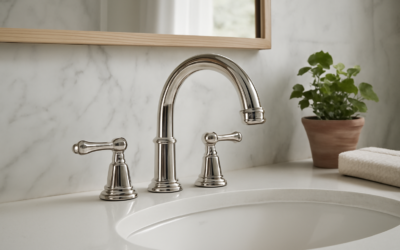
Polished nickel is a highly reflective finish with a warm undertone, a subtle golden or ivory cast that separates it from the cooler, bluer look of chrome. It shines nearly as brightly as chrome but with more depth and warmth, giving it a richer, more expensive appearance. This warmth is the whole reason designers reach for it, especially in traditional, transitional, and classic bathrooms.
The finish has genuine staying power in both durability and style. Nickel is a hard, corrosion-resistant metal, and its warm neutral tone pairs with a wide range of paint colors, countertops, and other fixtures, making it a safe long-term choice that will not feel dated in a few years.
Polished Nickel vs Chrome vs Brushed Nickel
Shoppers constantly confuse these three finishes, so understanding the differences helps you choose confidently.
- Polished nickel: bright and reflective with a warm, slightly golden undertone. Higher-end look, hides water spots better than chrome, usually costs more.
- Chrome: bright and reflective with a cool, blue-tinged tone. More affordable, shows water spots and fingerprints readily, reads as more modern and clinical.
- Brushed nickel: a matte, satin version of nickel with the same warmth but no shine. Excellent at hiding spots and fingerprints, more casual and contemporary.
If you want bright shine with warmth and a premium feel, polished nickel is the pick. If budget rules and you like a cooler modern look, chrome delivers similar reflectivity for less. The warm undertone of polished nickel is the deciding factor for most people who choose it.
Where Polished Nickel Fits Best
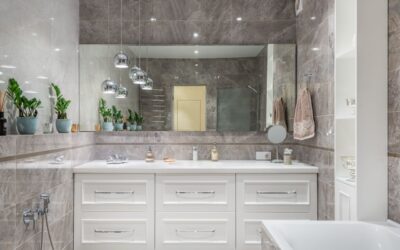
Certain bathroom styles are natural homes for polished nickel. Traditional and classic bathrooms with framed mirrors, marble counters, and paneled vanities are the obvious match, since the warm shine complements the timeless materials. Transitional bathrooms that blend traditional and modern elements also wear polished nickel beautifully.
It pairs especially well with white and cream color schemes, marble and quartz counters with warm veining, and other warm metals if you are mixing finishes carefully. Polished nickel also flatters warmer wall colors like soft greens, blues, and grays. In a strictly ultra-modern minimalist bath, chrome or matte black might feel more at home, but for almost any classic-leaning space, polished nickel is a dependable, elegant choice.
Styling Your Vanity Lighting
Choosing the fixture style is as important as the finish. Polished nickel vanity lights come in several forms, each suiting a different look.
- Sconces flanking the mirror: classic and flattering, putting warm light on both sides of the face.
- Horizontal vanity bars above the mirror: two, three, or four lights in a row, a versatile everyday choice.
- Schoolhouse and globe shades: polished nickel fixtures with white glass globes read timeless and pair with traditional decor.
- Exposed-bulb fixtures: nickel bases with visible Edison-style or clear bulbs lend a refined vintage feel.
Coordinate the vanity lights with your faucet and cabinet hardware in the same polished nickel for a cohesive, intentional look. Matching metals throughout the room is what makes a bathroom feel professionally designed.
Placement and Bulb Guidance
Even the most beautiful polished nickel fixture disappoints if it is placed poorly or fitted with the wrong bulbs. For fixtures above the mirror, mount the bottom roughly 75 to 80 inches from the floor, just above the mirror’s top edge. For flanking sconces, mount them around eye level, near 60 to 66 inches to center, to eliminate the shadows that overhead-only light creates.
Choose bulbs in the 2700K to 3000K range for a warm white that complements the finish’s warmth, with a high color rendering index of 90 or above so skin tones and makeup look accurate. Aim for enough total brightness, around 1,600 to 2,000 lumens across the vanity, and add a dimmer so you can soften the light in the evening. Warm bulbs enhance the golden undertone of polished nickel, while harsh cool bulbs fight against it.
Keeping Polished Nickel Bright
The reflective surface that makes polished nickel gorgeous also means it benefits from regular light care, though it forgives more than chrome. Wipe the fixtures with a soft, damp microfiber cloth and dry them to prevent water spots, which show less on nickel than chrome but can still build up in hard-water areas. Avoid abrasive cleaners, scouring pads, and acidic or ammonia-based products, which can dull or damage the finish over time.
For everyday shine, a soft cloth and warm water are enough, with a drop of mild dish soap for stubborn film. Buff dry to restore the luster. Handled gently, polished nickel keeps its warm glow for decades, which is a big part of why it commands its premium price.
Is Polished Nickel Worth the Premium?
Polished nickel typically costs more than chrome, often noticeably so on quality fixtures, and whether it is worth the difference comes down to the look you want and how long you plan to keep it. For a bathroom you intend to enjoy for years, the warm, timeless shine and better spot resistance justify the upcharge for many homeowners. It resists going out of style, complements a huge range of design choices, and elevates the whole room.
If you love the warm, luxurious glow and want a finish that will still look right a decade from now, polished nickel vanity lighting is a smart, enduring investment. Pair it with matching faucet and hardware, place the fixtures thoughtfully, fit warm high-CRI bulbs, and the vanity becomes one of the most polished features in the entire bathroom.
Mixing Polished Nickel With Other Metals
One reason designers love polished nickel is how gracefully it plays with other finishes, unlike some metals that demand an exclusive match. Its warm neutral undertone lets it sit beside brass, matte black, and even chrome without clashing, as long as you mix with intention. The rule is to pick a dominant metal and one or two accents, then repeat each at least twice around the room so the combination looks deliberate.
Polished nickel vanity lights pair beautifully with warm brass cabinet hardware for a layered, collected look, or with matte black to add contrast and modernity. If you already have chrome fixtures you cannot change, polished nickel is close enough in brightness to coexist without looking like a mistake, though a fully coordinated scheme always looks more resolved. When mixing, keep the plumbing fixtures, the lighting, and the hardware balanced so no single metal feels random or orphaned in the space.
How Polished Nickel Ages Compared to Other Finishes
A finish is only as good as how it looks after years of daily use, and polished nickel ages exceptionally well. Because nickel is naturally corrosion-resistant and the polish is a solid metal surface rather than a thin coating, it holds its warm shine for decades with only light care. Unlike lacquered brass, which can wear at the coating and expose the metal beneath, or oil-rubbed bronze, which is designed to wear through to highlights, polished nickel simply stays consistent.
In hard-water regions, polished nickel resists spotting better than chrome, so the fixtures look clean longer between wipe-downs. Over many years, some pieces may develop the faintest warm patina that most people find adds character rather than detracting from it. This longevity and graceful aging is a major part of why polished nickel commands a premium and shows up in high-end bathrooms meant to last a lifetime rather than a trend cycle.
Layering Light Around a Polished Nickel Vanity
Beautiful fixtures perform best as part of a complete lighting plan rather than the room’s only light source. Combine the polished nickel vanity lights with ambient ceiling illumination, such as recessed cans or a flush-mount fixture, so the whole bathroom is evenly lit and the vanity lights can focus on the task of illuminating faces. A separate light over the shower or tub rounds out the layers.
Putting the vanity lights on their own dimmer switch lets you shift from bright, accurate grooming light in the morning to a soft, warm glow for an evening bath. If you carry the polished nickel finish into the ceiling fixtures and any wall sconces, the entire room reads as cohesive and intentional. Thoughtful layering ensures the warm glow of the polished nickel is felt throughout the space, not just in one bright pool above the sink, giving the bathroom the finished, hotel-quality feel that makes the finish worth choosing in the first place.