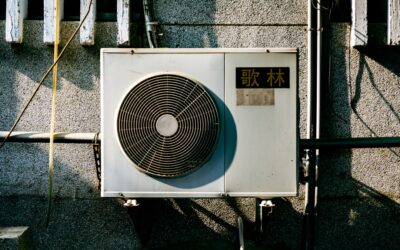
A PTAC heat pump is the self-contained through-wall unit you have seen a thousand times in hotel rooms, mounted low beneath the window, quietly handling both heating and cooling for a single space. PTAC stands for Packaged Terminal Air Conditioner, and the heat pump version adds efficient reverse-cycle heating on top of standard cooling. For additions, sunrooms, apartments, and hospitality use, it is often the simplest, most cost-effective way to condition one room without touching your central system.
- What a PTAC Is and How It Works
- The Wall Sleeve and Installation
- Sizing by BTU
- Heat Pump vs. Electric-Resistance PTAC
- The Cutout Temperature
- Voltage and Electrical Requirements
- Brands, Cost, and What to Buy
- Lifespan and Maintenance
- Where PTACs Make the Most Sense
- PTAC vs. Mini-Split: Choosing Between Them
What a PTAC Is and How It Works
Everything lives in one boxy chassis: compressor, coils, fan, and controls, all packaged together. The unit slides into a metal wall sleeve that penetrates the exterior wall, with an outdoor grille on the far side. Because it is a single self-contained package, there is no separate outdoor condenser, no line sets, and no refrigerant work on site. That is the whole appeal.
A heat pump PTAC runs its refrigerant cycle one direction to cool in summer and reverses it to pull heat from outdoor air in winter. Reverse-cycle heating is far cheaper to run than electric-resistance heat because it moves heat instead of generating it, delivering a COP of roughly 2.5 to 3.5 in mild conditions. Nearly every heat pump PTAC also includes backup electric-resistance elements for the coldest days, which I will come back to.
The Wall Sleeve and Installation
The sleeve is the foundation of the whole install. The industry standard sleeve opening is 42 inches wide by 16 inches high, which is why PTAC units are largely interchangeable across brands. If a compatible sleeve already exists in the wall, swapping a new unit in is a 30-minute job. If you are starting fresh, you cut the opening, frame it, insert and seal the sleeve, and install the exterior grille.
A few install points I insist on:
- Pitch the sleeve slightly toward the outside so condensate drains out, not onto your floor.
- Seal around the sleeve thoroughly; gaps here are the number one cause of drafts and energy loss.
- Mount at the correct height, typically with the sill a few inches above the finished floor.
- Confirm the exterior grille is rated for your unit to avoid airflow restriction.
Sizing by BTU
PTAC units are sold in a tidy range of capacities, and matching BTU to room size is critical. Undersize it and it runs constantly without keeping up; oversize it and it short-cycles, leaving the room clammy. General guidance:
- 7,000 BTU: Up to about 300 square feet, small bedrooms or offices.
- 9,000 BTU: Roughly 350 to 400 square feet.
- 12,000 BTU: Around 450 to 550 square feet, a typical large bedroom or small studio.
- 15,000 BTU: Up to about 700 square feet, big rooms, sunrooms, or additions.
Sunrooms deserve extra care. All that glass adds heat gain in summer and heat loss in winter, so I usually size up one step from what the square footage alone suggests.
Heat Pump vs. Electric-Resistance PTAC
You will see two heating flavors on the shelf. A straight electric-resistance PTAC only cools with the compressor and heats with resistance coils, exactly like a space heater built into the unit. A heat pump PTAC heats efficiently with the refrigerant cycle and falls back to resistance only when needed.
The difference on your bill is real. Resistance heat runs at 100 percent efficiency, one watt in, one watt of heat out. A heat pump delivers two to three times that from the same electricity during mild weather. If your space needs meaningful heating, the heat pump version is worth the modest price premium. The one caveat is the cutout temperature.
The Cutout Temperature
Here is the detail that trips people up. A PTAC heat pump only heats efficiently down to roughly 40°F outdoor temperature. Below that, the refrigerant cycle can no longer extract useful heat from the frigid air, so the unit automatically switches to its electric-resistance backup. You stay warm, but you lose the efficiency advantage until it warms up again.
What this means practically: in mild and moderate climates, a heat pump PTAC saves you money most of the winter. In a genuinely cold climate, it will spend long stretches on resistance heat, and the efficiency edge shrinks. Set expectations by your local winter lows.
Voltage and Electrical Requirements
PTAC units are not standard 120-volt plug-ins. They require dedicated higher-voltage circuits, and you must match the unit’s rating to your wiring and receptacle:
- 208/230 volt: The most common residential and light-commercial configuration.
- 265 volt: Used in many commercial and hospitality buildings.
- Amperage: Typically a 20-amp or 30-amp dedicated circuit, depending on BTU size and heater wattage.
The plug type is keyed to the voltage and amperage, so you cannot accidentally cross them. If you are adding a PTAC where none existed, budget for an electrician to run a dedicated circuit. This is not a DIY receptacle swap.
Brands, Cost, and What to Buy
Three names dominate and all build solid equipment. Amana is the value and volume leader, widely stocked and easy to service. GE Zoneline is a hospitality favorite known for durability and parts availability. Friedrich sits at the premium end with quieter operation and refined controls.
Pricing is refreshingly predictable. The unit itself runs $700 to $1,400 depending on BTU size, heat pump versus resistance, and brand. Add roughly $100 to $200 for the wall sleeve and exterior grille if you need them. Professional installation of a fresh opening, including the electrical circuit, commonly adds $300 to $800. A straightforward replacement into an existing sleeve can cost almost nothing beyond the unit.
Lifespan and Maintenance
Treated well, a PTAC lasts about 10 to 15 years, though in a hard-run hotel setting many get replaced closer to 7 to 10. Maintenance is genuinely simple, which is a big part of the appeal:
- Clean or replace the washable filter every 30 days during heavy use.
- Vacuum the indoor and outdoor coils each season to protect efficiency.
- Keep the exterior grille clear of leaves, nests, and debris.
- Check that condensate drains freely so water never backs up into the room.
Where PTACs Make the Most Sense
Hotels put a PTAC in every room for good reason: each guest controls their own space, and a failed unit is a quick swap rather than a downed central system. That same logic scales down to the home. Room additions are a classic case, because tying a new room into an already-maxed central system often means upsizing the furnace and air handler, a far pricier project than dropping in a single through-wall unit.
Sunrooms, garage conversions, in-law suites, and small apartments are other strong fits. Anywhere you need independent temperature control for one room, or where running ductwork is expensive or physically impossible, a PTAC earns its place. I also like them for landlords: durable, standardized, and cheap to replace when a tenant runs one hard. The trade-off is that a PTAC conditions only the room it sits in, so it is not a whole-home solution, and the visible wall unit is not to everyone’s taste.
PTAC vs. Mini-Split: Choosing Between Them
Homeowners often weigh a PTAC against a ductless mini-split, and both have their place. A mini-split is quieter, more efficient, holds heat lower into cold weather, and mounts high on the wall with only a small line-set penetration. It also costs more, typically $3,000 to $5,000 installed, and requires a technician to charge the refrigerant.
A PTAC wins on upfront cost, simplicity, and speed. There is no refrigerant work, the unit is self-contained, and replacement is a five-minute slide-out. Choose a mini-split when efficiency, quiet, and cold-climate heating matter most and the budget allows. Choose a PTAC when you want the lowest cost, the easiest future replacement, or you are outfitting many rooms on a budget. For a single mild-climate addition, the PTAC is usually the smart money.
For conditioning a single room where extending central ductwork would be expensive or impossible, a PTAC heat pump is tough to beat. Size the BTU to the space, match the voltage to a proper dedicated circuit, seal the sleeve tightly, and keep the filter clean. Do that and you get efficient year-round comfort from one dependable box in the wall.