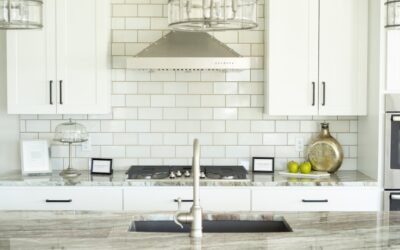
Replacing a kitchen full of dated laminate or tile counters typically runs 4,000 to 8,000 dollars before backsplash and plumbing. Quartz overlay countertops cut that cost roughly in half by laminating a 1/4 to 3/8 inch slab of engineered quartz directly over your existing counters. The look matches a full replacement at first glance, the install takes one day, and you keep your sink and cabinets in place. This guide explains how the system works, what it actually costs, and where the trade-offs hide.
Part of our Countertops guide — explore the full guide →
How Quartz Overlay Works
The overlay process bonds a thin engineered quartz slab over the existing countertop substrate using a high-strength epoxy adhesive. Templating, fabrication, and install mirror a traditional quartz job, but the slab is 1/4 to 3/8 inch thick instead of the standard 3 cm (1.18 inch). The thinner stone is rolled out from the same factories that produce full slabs, with manufacturers like Granite Transformations and Stone Coat Countertops dominating the residential category.
The overlay extends 1/4 inch beyond the existing edge, which gets wrapped with a matching quartz strip glued to the front. The seam is virtually invisible. To the eye, the finished installation looks identical to a 3 cm full slab counter.
What It Actually Costs
Pricing varies by installer and region, but the typical numbers for a 30 linear foot kitchen run as follows:
- Quartz overlay: 55 to 85 dollars per square foot installed, all in
- Standard 3 cm quartz replacement: 75 to 130 dollars per square foot installed
- Total kitchen overlay job (50 sq ft): 2,750 to 4,250 dollars
- Total kitchen replacement (same area): 4,500 to 7,500 dollars
The savings come from skipping demo, disposal, and the heavier slab. Plumbing disconnect and reconnect are usually included; backsplash work runs separately at 8 to 25 dollars per square foot.
Where Overlays Work Best
The system shines on certain substrates and falls short on others.
Good Candidates
- Solid laminate (Formica) counters that are flat and securely attached
- Tile counters where individual tiles are not loose
- Solid surface (Corian) counters that are structurally sound
- Concrete or butcher block counters with no major cracks
Poor Candidates
- Severely warped or sagging counters (more than 1/8 inch deflection over 4 feet)
- Water-damaged particleboard substrates
- Existing granite or solid stone counters — the weight is excessive
- Counters with cracked or detached corners
- Cabinets that cannot support the additional 5 to 8 pounds per square foot
Visual Differences From Full Slab
From across the kitchen, an overlay looks identical to a full slab. Up close, three subtle differences emerge. The edge profile is limited to a flat, eased, or thin bevel because of the slab thickness — no full bullnose or ogee edges. The edge buildup created by wrapping the front edge can show a faint vertical seam line in raking light. And undermount sinks become impossible because there is no thickness to clip to; you stay with the existing top-mount sink or accept a transition strip.
Performance and Warranty
Once cured, quartz overlay performs nearly identically to a full slab. The face material is the same engineered quartz, with the same Mohs hardness of 7, the same heat resistance up to 300 degrees, and the same stain resistance. The joints between the overlay and the substrate are sealed against water intrusion. Most reputable installers offer a 10 to 15 year warranty, slightly less than the lifetime warranty common on full slab quartz.
Heat damage from cast iron pans straight off a burner is the single most common warranty claim. Use a trivet on overlay just as you would on full slab.
The Install Process Step by Step
A typical overlay job follows this sequence over one or two days.
- Templating: a digital laser template captures the existing counter shape
- Fabrication: the slab is cut to template at the shop, with cutouts for sinks and cooktops
- Substrate prep on install day: counters are cleaned, sanded, and any loose laminate re-glued
- Adhesive application: a high-strength epoxy is troweled across the entire surface
- Slab placement: the overlay is set with light pressure and shimmed level
- Edge wrap: matching strips are mitered at corners and adhered to the front edge
- Seam fill and color match: gaps at corners are filled with matching epoxy and polished
- Cure time: the adhesive sets in 24 hours; full strength in 72
Comparison to Tile-Over and Painted Coatings
Quartz overlay sits in a category of its own among countertop refacing options.
- Painted epoxy coatings (Giani, Daich): 100 to 200 dollars DIY, but the finish dings and chips within 1 to 3 years
- Concrete overlay (skim coat): 6 to 15 dollars per square foot, looks rustic, requires sealing every 2 years
- Tile-over: similar price to laminate but creates grout joints that catch food
- Quartz overlay: best looks, longest life, highest cost in the refacing category
Pros and Cons Summary
Pros: half the cost of full replacement, single-day install, no demo dust, keeps existing plumbing and sink, looks identical to full slab, full quartz performance.
Cons: limited edge profiles, no undermount sink option, weight load on cabinets, requires solid substrate, not all installers offer the system, slightly shorter warranty than full slab.
Is It Right for Your Kitchen
If your existing counters are structurally sound and you are happy keeping your current sink configuration, quartz overlay countertops are one of the highest-ROI improvements in a mid-cycle kitchen refresh. The look upgrade is dramatic, the budget hit is half what most homeowners assume, and the timeline beats almost any other countertop project. Get three local quotes and verify each installer’s track record before signing.