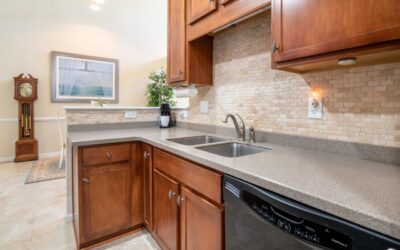
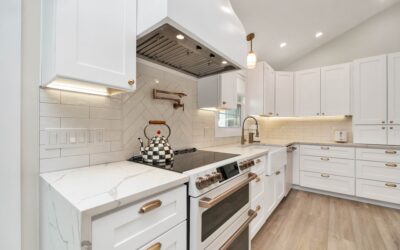
A quartz top has become one of the most popular countertop choices in American kitchens and bathrooms, and for good reason. Engineered for strength and consistency, a quartz top gives you the rich look of natural stone without much of the upkeep that comes with materials like granite or marble. If you are weighing your options for a remodel or a new build, understanding how quartz performs will help you decide whether it earns a place in your home.
Part of our Countertops guide — explore the full guide →
What a Quartz Top Actually Is
Despite the name, a quartz countertop is not a single slab cut from the earth. It is an engineered product, typically made from roughly 90 to 95 percent ground natural quartz combined with resins, polymers, and pigments. That mixture is compacted under heat and pressure into dense, uniform slabs.
The result is a surface that mimics the beauty of stone while solving some of stone’s natural weaknesses. Because manufacturers control the blend, you get predictable color and pattern across the slab rather than the natural variation you might find in quarried materials. That consistency is one reason designers reach for quartz when they want a clean, modern result.
Why Homeowners Choose Quartz
Several practical benefits drive the popularity of quartz surfaces. Many of them come down to everyday livability rather than just looks.
- Nonporous surface: Quartz does not absorb liquids the way porous stone can, so spills are less likely to stain.
- No sealing required: Unlike granite and marble, quartz does not need periodic sealing to stay protected.
- Durability: The dense composition resists chips, scratches, and dents under normal household use.
- Hygiene: Because liquids stay on the surface, bacteria have fewer places to hide compared with porous materials.
- Design range: You can find solid colors, marble-like veining, and speckled patterns to suit almost any style.
For busy households that want a low-fuss surface, that combination is hard to beat. You get a premium appearance without committing to a demanding maintenance routine.
Potential Drawbacks to Weigh
No countertop is perfect, and quartz has limits you should know before you buy. Heat is the biggest one. The resins that bind a quartz top can scorch or discolor if you set a hot pan directly on the surface, so trivets and hot pads are not optional.
Direct, prolonged sunlight can also cause some quartz to fade over time, which makes it a questionable choice for outdoor kitchens or sun-drenched spots. Seams may be visible on larger installations, and because slabs are heavy and rigid, professional fabrication and installation are strongly recommended. Sharp impacts on edges and corners can still cause chips, even though the material is tough overall.
What a Quartz Top Costs
Pricing varies widely depending on brand, color, thickness, edge profile, and your region. As a general estimate, installed quartz commonly falls somewhere in the range of $50 to $120 per square foot, with premium designer lines reaching higher. Always treat figures like these as ballpark ranges rather than firm quotes.
Several factors push the number up or down. Complex layouts with many corners, cutouts for sinks and cooktops, and decorative edge treatments all add labor. A simple, rectangular run with a standard edge will land at the lower end. To get an accurate picture, request written quotes from multiple local fabricators and ask exactly what the price includes, such as templating, removal of old counters, and installation.
How to Care for a Quartz Top
Maintenance is refreshingly simple, which is a big part of the appeal. Day-to-day cleaning takes little more than mild soap, warm water, and a soft cloth. Follow these habits to keep the surface looking new:
- Wipe up spills promptly, especially acidic liquids like wine, coffee, or citrus juice.
- Use a gentle dish soap and a nonabrasive sponge for routine cleaning.
- Always place a trivet or hot pad under pots, pans, and hot appliances.
- Use a cutting board rather than slicing directly on the surface.
- Avoid harsh chemicals such as bleach, oven cleaners, or abrasive scouring powders, which can dull the finish.
For stubborn dried-on messes, a plastic putty knife can lift residue without scratching. Check the manufacturer’s care instructions for your specific product, since recommended cleaners can vary slightly between brands.
Quartz also resists the kind of etching that plagues marble, so an accidental splash of lemon juice or vinegar will not leave a dull mark the way it might on softer natural stone. Even so, prolonged contact with strong cleaners is best avoided, and you should never use products containing high alkaline levels or solvents like paint remover. A simple wipe-down at the end of each day keeps grime from accumulating along the backsplash seam and around the sink, where water tends to collect.
Quartz Versus Other Countertop Materials
Comparing quartz with the alternatives clarifies where it fits. Against granite, quartz wins on consistency and maintenance because it never needs sealing, while granite offers natural one-of-a-kind patterns and stronger heat resistance. Compared with marble, quartz is far more forgiving of acids and daily wear, though purists may still prefer the timeless look of real marble.
Laminate and solid-surface counters cost less than quartz but generally do not match its durability or resale appeal. If your priority is a stone-like look with minimal upkeep and you can live with the heat sensitivity, a quartz top often hits the sweet spot between performance and aesthetics.
Is a Quartz Top Right for You?
Choosing a countertop comes down to how you live. If you cook often, have kids, and want a surface that shrugs off spills without constant babysitting, quartz is an excellent fit. Those who crave the unrepeatable character of natural stone, plan an outdoor installation, or routinely set down hot cookware may want to look at other options or commit firmly to using trivets.
Before you decide, view full slabs in person rather than small samples, since patterns can look different at scale. Get quotes from reputable local fabricators, confirm warranty terms directly with the manufacturer, and ask about lead times. With realistic expectations and proper care, a quality quartz top can serve your home beautifully for decades.