A single inch of rain falling on 1,000 square feet of roof sheds roughly 600 gallons of water, which is why a small barrel under a busy downspout can overflow in the first fifteen minutes of a storm. Picking a rain collection barrel is less about finding the fanciest model and more about matching capacity, shape and material to your roof, your garden and the space next to your house. Get those three right and even a basic barrel will earn its keep.
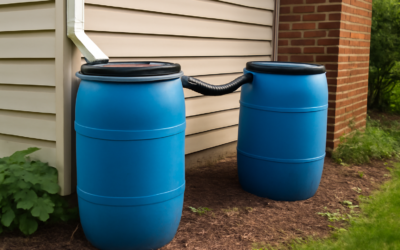
For most homes, a 50 or 55 gallon barrel is the practical starting point: big enough to water a vegetable bed through a dry week, small enough to fit beside a downspout. If you have a large garden or long dry spells, link two or three barrels together or step up to a 100 gallon or larger tank. Choose a flat-back barrel if space against the wall is tight, a round barrel if you want the most capacity per dollar, and plastic over steel unless you want a specific look and budget accordingly.
- How to Choose a Rain Collection Barrel
- Size Guide: 50, 55 and 100 Gallon Barrels
- Shapes: Flat-Back vs Round vs Upright Tanks
- Materials: Plastic vs Steel and Other Options
- Linking Barrels and Larger Rain Collector Systems
- Features That Matter When You Buy
- Setup, Safety and Maintenance
- Troubleshooting and Cost Ranges
- Frequently Asked Questions
What follows compares sizes, shapes and materials, explains linking and larger storage, lists the features worth paying for, and covers basic setup, maintenance and cost ranges.
How to Choose a Rain Collection Barrel
Start with how you plan to use the water. Garden rain water collection for a few raised beds and containers needs far less storage than irrigating a whole landscape. A reasonable planning figure is that one 55 gallon barrel covers hand watering for a small garden for several days, while a lawn or large bed will empty it in a single session.
Next, estimate what your roof can supply. Multiply the roof area draining to one downspout (in square feet) by the rainfall in inches, then by about 0.6 to get gallons. A 500 square foot section of roof gives about 300 gallons from a 1-inch rain. That usually means your barrel fills fast, and the real limit is how much storage you can fit and afford, not how much water you can catch.
Finally, look at the spot. Measure the width and depth available beside the downspout, check that the ground is level and firm, and note how far the water needs to go. A rain collection barrel that sits right next to the beds it serves is far more useful than one around the corner of the house.
Size Guide: 50, 55 and 100 Gallon Barrels
Size labels vary a little by maker, but most barrels fall into a few common bands.
| Size | Best For | Notes |
|---|---|---|
| Under 50 gallons | Patios, balconies, container gardens | Small rain barrel options fit tight spaces and decks |
| 50 to 55 gallons | Typical home garden downspout | The standard size; easy to link in pairs |
| 60 to 100 gallons | Larger gardens, fewer downspouts | Heavier when full; needs a solid base |
| 100+ gallon tanks | Serious rainwater harvesting | Often upright or low-profile tanks; plan the foundation |
Keep weight in mind. Water weighs about 8.3 pounds per gallon, so a full 55 gallon barrel weighs roughly 460 pounds and a 100 gallon barrel over 800 pounds. That load has to sit on a stable, level stand or pad. A large rain barrel on soft soil can lean and tip as the ground settles, which is dangerous around children and pets.
A 50 gallon rain water barrel is the sweet spot for most buyers because it balances capacity, cost and footprint. If you want more storage without a bigger footprint, two 50 gallon barrels linked side by side usually fit more easily than one very large tank.
Shapes: Flat-Back vs Round vs Upright Tanks
Round Barrels
Round barrels, often repurposed food-grade drums or simple molded tanks, give the most gallons for the money. They stand out from a wall a bit more, so they need a wider spot.
Flat-Back Barrels
A flat back rain barrel sits tight against siding and takes less space on narrow side yards and walkways. Many are shaped to look like planters, urns or stone, and some include a planter top. Expect to pay more per gallon for the shape and styling.
Slimline and Upright Tanks
Tall, narrow tanks hold 100 gallons or more in a small footprint along a wall. They work well as rainwater storage containers where yard space is limited, but they are top-heavy and should be strapped or secured to a solid structure where the maker allows it.
Materials: Plastic vs Steel and Other Options
Material affects durability, weight, appearance and whether the barrel handles freezing.
- Polyethylene plastic: The most common choice for plastic water barrels. Light, affordable and resistant to rust. Look for UV-stabilized plastic so it does not become brittle in the sun. Dark colors, including a black rain barrel, block light and help discourage algae growth inside.
- Stainless steel: A stainless steel rain barrel looks sharp and lasts a long time, but it costs considerably more and can dent. It does not block algae any better than an opaque plastic barrel.
- Galvanized steel: Traditional look, sturdy, but can corrode at seams over time.
- Wood: Half-barrel and whiskey-barrel styles are attractive but need liners or regular upkeep to stay watertight.
If you plan to reuse a drum, confirm it only held food-grade contents and rinse it thoroughly. Avoid barrels that held chemicals, oils or unknown liquids.
Linking Barrels and Larger Rain Collector Systems
When one barrel is not enough, you have two routes: link several barrels or move up to a larger tank.
Linking works by connecting barrels near the bottom with a short length of hose and fittings, so water levels even out across all of them, or by routing the overflow of the first barrel into the second. Bottom linking gives you more usable volume from a single spigot. Overflow linking is simpler but leaves each barrel with its own spigot.
A full rain collector system for larger properties typically includes a first-flush diverter that sends the dirtiest early roof water away, a screened inlet, one or more large tanks, and a pump if you want pressure for drip irrigation. Rain collector tank setups in the hundreds or thousands of gallons need a proper base, often compacted gravel or a concrete pad, and may involve local permits. At that scale, many homeowners bring in a landscaper or irrigation contractor.
Features That Matter When You Buy
- Mosquito-proof screening: Fine mesh on every opening, including the inlet and overflow. This is non-negotiable.
- Sealed lid: A child-resistant, locking or screw-down lid keeps kids and animals out.
- Overflow port: A threaded overflow lets you attach a hose and route extra water away from your foundation.
- Spigot height and type: A brass or sturdy plastic spigot mounted a few inches up the side, with a hose thread, makes filling watering cans easy.
- Diverter compatibility: A downspout diverter sends water to the barrel and back down the downspout when full, which keeps overflow manageable.
- UV resistance and opacity: Opaque, UV-stabilized walls last longer and resist algae.
Shoppers searching for the best rated rain barrels usually find that the top performers share these practical details rather than any particular styling. A plain barrel with a good screen, a sealed lid and a threaded overflow will outperform a decorative one that lacks them.
Setup, Safety and Maintenance
A solid installation keeps the barrel safe and useful.
- Level the base. Set concrete blocks or a purpose-made stand on compacted, level ground. Raising the barrel 12 to 18 inches improves water pressure and makes it easier to fill cans.
- Connect the downspout. Cut the downspout or add a diverter at the right height, following the diverter instructions.
- Route the overflow. Run an overflow hose at least several feet away from the house, toward a garden bed or a spot that drains away from the foundation.
- Screen every opening. Check that screens are intact so mosquitoes cannot breed inside.
- Secure the lid. Keep the lid locked or fastened at all times.
Before you buy, check your local collection rules. Most areas allow residential rain barrels, but some states and municipalities limit capacity, require permits for larger systems, or restrict certain uses. Some also offer rebates for installing barrels.
Use collected rainwater for landscape and garden watering, not for drinking, cooking or bathing, unless you install a properly designed and tested treatment system. Roof runoff can carry debris, bird droppings and residue from roofing materials.
For upkeep, clean the gutters and screens a few times a year, rinse out sediment each spring, and drain the barrel and disconnect it before hard freezes, since freezing water can split plastic and damage spigots.
Troubleshooting and Cost Ranges
- Slow flow from the spigot: Raise the barrel higher or clear sediment around the outlet.
- Algae inside: The barrel is letting in light. Switch to an opaque barrel or paint the outside with an exterior paint rated for plastic.
- Mosquito larvae: A screen is torn or an opening is uncovered. Replace screens and empty the barrel if larvae are present.
- Water pooling near the house: Extend the overflow hose farther from the foundation.
Basic plastic barrels typically cost from about fifty dollars to a couple hundred, with flat-back and decorative styles at the upper end. Stainless steel barrels and large 100 gallon or bigger tanks can run several hundred dollars or more, before adding stands, diverters and linking kits. Professionally installed rainwater harvesting systems with pumps and large tanks cost considerably more, depending on capacity and site work.
Frequently Asked Questions
What size rain collection barrel should I buy?
A 50 to 55 gallon barrel suits most home gardens. If you water large beds, link two or three barrels or choose a 100 gallon tank.
Is a flat back rain barrel better than a round one?
Flat-back barrels save space against a wall and often look nicer. Round barrels hold more water for the money.
How do you keep mosquitoes out of a rain barrel?
Cover every opening, including the inlet and overflow, with fine mesh screen and keep the lid sealed tight.
Can I drink water from a rain barrel?
No. Use collected rainwater for gardens and landscaping only unless you install a properly designed and tested treatment system.
Is it legal to collect rainwater?
Most areas allow residential rain barrels, but rules vary. Check with your state and local government before installing, especially for larger systems.