Store-bought kits often cost two or three times what the lumber is worth, and many use thin boards that bow within a season. Building your own raised garden boxes from cedar gives you a stronger, better-looking bed for less money, and a basic 4×8 box can be cut and assembled in an afternoon. The key decisions are the wood, the cut list, how the corners join and what goes on the bottom.
For most gardeners, the best choice is a 4-by-8-foot box, 11 to 12 inches tall, made from 2×6 cedar boards stacked two high, joined at the corners with a 4×4 post or metal corner brackets, and lined with galvanized hardware cloth to keep out gophers and voles. Depending on local lumber prices, the materials for a simple version can come in close to or under $100.
Why Build Raised Garden Boxes
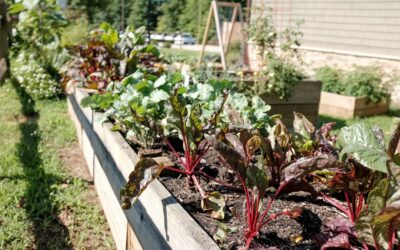
Raised garden boxes warm up faster in spring, drain better than heavy clay, and let you fill the bed with quality soil instead of fighting what is in the yard. They also save your back: a 12-inch-tall box cuts down on bending, and taller builds put plants close to waist height. A wooden garden box keeps paths and planting areas separate, so soil never gets compacted by foot traffic.
For vegetables, a 4-foot width is the sweet spot. You can reach the center from either side without stepping in. Eight feet long is a common size because lumber comes in 8-foot lengths, which means fewer cuts and less waste.
Choosing Lumber: Cedar vs Pine vs Treated
| Lumber | Lifespan in soil | Notes |
|---|---|---|
| Cedar | About 10-15 years | Naturally rot resistant, no chemical treatment |
| Untreated pine or fir | About 3-5 years | Cheapest upfront, rots fastest |
| Modern pressure-treated | About 15+ years | Current copper-based treatments; many gardeners line the inside |
Cedar is the go-to for a cedar garden box because its natural oils resist rot and insects without any chemicals. It is lightweight, easy to cut and weathers to an attractive gray. Look for “rough” or fence-grade cedar to keep costs down; knotty boards work fine for a vegetable garden box.
Untreated pine or fir is the cheapest option for cheap raised garden beds, but it may only last a few seasons in contact with wet soil.
Pressure-treated lumber sold for residential use today uses copper-based preservatives rather than the older arsenic-based treatment that was phased out for residential use in the early 2000s. Many gardeners are comfortable using it, especially with a plastic liner on the inside faces. Never use old railroad ties or salvaged lumber of unknown treatment for a vegetable bed.
Cut List and Materials for a 4×8 Cedar Box
This build makes a box 4 feet wide, 8 feet long and about 11 inches tall using two courses of 2×6 boards (actual size about 1-1/2 by 5-1/2 inches).
- (4) 2×6 x 8 ft cedar boards, used full length for the long sides
- (2) 2×6 x 8 ft cedar boards, each cut in half to make four 4-foot end pieces (minus board thickness if you want a true 4-foot outside dimension)
- (1) 4×4 x 8 ft cedar post, cut into four 11-inch corner posts (or use four raised bed corner brackets instead)
- (1) 2×2 or scrap cut into two 11-inch mid-span stakes for the long sides (optional but helpful)
- 3-inch exterior-rated deck screws, about 50
- Galvanized 1/2-inch hardware cloth, about 4 by 8 feet, plus staples
- Landscape fabric or cardboard (optional)
Tools: circular or miter saw, drill/driver, tape measure, speed square, level, staple gun, tin snips, work gloves and safety glasses.
Step-by-Step: Building Your Box
- Pick a sunny spot. Most vegetables need 6 to 8 hours of direct sun. Choose a fairly level area close to a water source.
- Cut the parts. Cut the end boards and corner posts. Keep the long boards full length.
- Assemble the ends first. Lay two corner posts on a flat surface and screw two short boards to them, flush with the top and outside edges. Drive two or three screws per board into each post, predrilling near board ends to prevent splitting.
- Attach the long sides. Stand the two end assemblies up and screw the long boards to the corner posts, again flush at the top and outer edge.
- Brace the middle. On an 8-foot box, soil pressure can push the long sides outward. Screw a short stake or 2×2 to the inside center of each long side, or run a cross-tie across the top.
- Check for square. Measure both diagonals; they should match. Adjust before the soil goes in.
- Add the hardware cloth base. Flip the box upside down, roll out the hardware cloth across the bottom, and staple it to the bottom edges every few inches. Trim with tin snips and fold sharp edges inward. Wear gloves; cut wire edges are sharp.
- Set the box in place. Level the ground by removing high spots rather than adding loose fill. Set the box and check it with a level.
- Fill the bed. A common mix is roughly 60 percent topsoil, 30 percent compost and 10 percent aeration material. A 4x8x11-inch box holds about 30 cubic feet, a little over one cubic yard. Lay cardboard over the hardware cloth first if you are building over grass; it smothers turf and breaks down over the season.
Corner Joinery Options
- Interior 4×4 post: the strongest and most common method. Screws go through the boards into the post.
- Metal raised bed corner brackets: fast, very rigid and easy to disassemble. They also make stacking a second tier simple.
- Overlapping butt joint: boards screwed directly to each other at the corners. Cheapest, but it tends to loosen as wood swells and shrinks.
- Half-lap or log-cabin stacking: attractive but more cutting; best for thicker lumber.
Finishing and Safety Notes
Cedar does not need a finish. If you want to keep the color, apply a food-safe or plant-safe oil to the outside faces only, and let it dry fully before filling. Avoid applying stains or sealers to the inside surfaces that touch soil unless the product is labeled safe for garden beds.
When cutting pressure-treated lumber, work outdoors, wear a dust mask or respirator, gloves and eye protection, collect sawdust for trash disposal, and never burn treated scraps. Wash your hands before eating. For any sealers or stains, follow the product label for ventilation and protective gear, keep solvent-based products away from open flames and pilot lights, and never mix chemical products.
Troubleshooting Raised Garden Boxes
- Sides bowing out: add a center stake or cross-tie on long sides. Taller boxes need more bracing.
- Soil drying too fast: add mulch on top and more compost to the mix. Drip irrigation or a soaker hose helps.
- Soil level sinks: normal as compost breaks down. Top off with compost each spring.
- Gophers or moles getting in: the hardware cloth has a gap or was not wrapped up the sides. Staple it at least a couple of inches up the inside walls.
- Boards splitting at the ends: always predrill near board ends, especially in cedar.
Cost Ranges
Lumber prices change often and vary by region, so treat these as general ranges. A single 4×8 cedar box built from fence-grade or budget cedar can land around or under $100 in wood and screws, while premium clear cedar or thicker 2×8 or 2×10 boards cost more. Untreated pine versions are cheaper up front, and metal corner brackets add some cost but save time. Soil is often the bigger expense: filling a 4×8 box with a good mix can cost as much as or more than the wood, unless you buy in bulk by the yard.
Custom garden beds, tall raised garden planter builds and composite planter box kits typically cost several hundred dollars or more each.
When to Call a Pro
Most gardeners can build raised garden boxes themselves. Consider hiring a carpenter or landscaper for large terraced beds on slopes, retaining-wall-style beds over about 2 feet tall, or beds that tie into a patio or deck. Call 811 before digging deep posts or leveling ground so buried utility lines are marked.
Frequently Asked Questions
How deep should raised garden boxes be?
Ten to 12 inches is enough for most vegetables and herbs, especially if the soil below is loosened. Root crops like carrots do better with 12 to 18 inches.
Is cedar worth the extra cost for a raised bed?
Usually, yes. Cedar lasts about 10 to 15 years in soil without chemicals, compared with just a few years for untreated pine.
Should I put anything on the bottom of a raised garden box?
Galvanized hardware cloth keeps burrowing animals out. Cardboard on top of it smothers grass and breaks down over the season.
Is pressure-treated wood safe for vegetable gardens?
Current residential treated lumber uses copper-based preservatives, and many gardeners use it, often with a liner on the inside. Avoid old treated wood and railroad ties.
How much soil does a 4×8 raised bed need?
A box about 11 inches deep holds roughly 30 cubic feet, or a little over one cubic yard of soil mix.