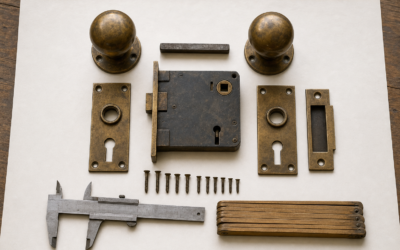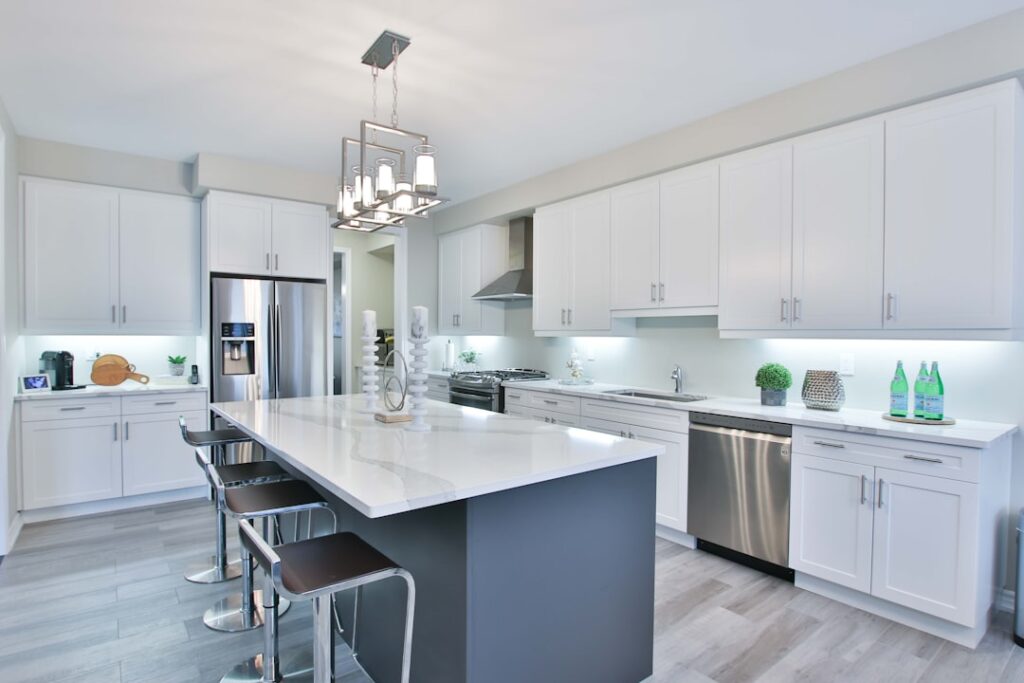
Try to furnish an entire kitchen with original Victorian bin pulls and you will spend months on salvage sites paying $40 apiece for mismatched, worn pieces. Reproduction antique cabinet hardware solves that problem: you get the correct period profile, patina, and hole spacing in matched sets, brand new, at a fraction of the hunt. For anyone restoring an old home or building character into a new one, it is the practical middle path between plastic big-box knobs and museum-grade originals.
Part of our Kitchen Remodeling guide — explore the full guide →
Good reproduction antique cabinet hardware is cast or stamped from solid brass, bronze, or iron using patterns copied from genuine period pieces, then finished to mimic decades of age. The result reads as authentic on the door while giving you consistency and availability that real antiques cannot.
- Why Choose Reproduction Antique Cabinet Hardware
- Common Period Styles and How to Match Them
- Materials and Finishes That Age Well
- Getting the Sizing Right
- Installing Reproduction Hardware
- Where to Buy and What to Avoid
- Matching Hardware to Cabinet Era and Wood
- Common Mistakes to Avoid
- Caring for Your New Old Hardware
Why Choose Reproduction Antique Cabinet Hardware
The case for reproductions comes down to three things: matching, condition, and cost. Salvaged originals almost never come in the count you need, and even when they do, threads are stripped, backplates are bent, and finishes are inconsistent. Reproductions arrive as a uniform set, with intact machine threads and modern fasteners.
Price is the other driver. A quality reproduction bin pull runs $6 to $18, while a comparable original in good shape can cost $25 to $60 if you can find a dozen at all. You also avoid lead paint and mystery corrosion that often ride along with true antiques pulled from old cabinetry.
Common Period Styles and How to Match Them
Matching the hardware to the era of your home or cabinetry is what makes the look convincing. A few reference points:
- Victorian (1860-1900): Ornate cast bin pulls, teardrop drops on round rosettes, and eastlake-engraved backplates. Dark oil-rubbed bronze or antique copper.
- Arts and Crafts / Craftsman (1900-1930): Simple hammered copper or bronze, square-ish pulls, and mission-style knobs. Warm brown patina.
- Colonial Revival (1910-1940): Polished or antique brass bail pulls with shaped backplates and turned knobs.
- Mid-century (1945-1965): Streamlined satin brass or chrome wire pulls and atomic-era knobs.
When in doubt, pull one drawer and look for ghost marks, the shadow outline and old screw holes left by the previous hardware. Those marks tell you the original hole spacing and often the general size, which keeps your reproduction period-correct and saves you from drilling new holes.
Materials and Finishes That Age Well
Solid brass is the workhorse of good reproductions because it can be finished many ways and develops a genuine patina over time. Bronze and cast iron suit heavier, rustic looks. Avoid zinc die-cast pieces with a thin plated coating; the finish chips at the edges within a couple of years and cannot be restored.
Finish names matter when you order. Oil-rubbed bronze (often abbreviated ORB) is dark brown-black with lighter high points. Antique brass is a warm, slightly dulled gold. Living finishes, sometimes labeled “unlacquered brass,” deliberately tarnish and mellow, which purists love because the piece keeps changing like a real antique. If you want the shine to stay put, choose a lacquered finish instead.
Getting the Sizing Right
Nothing ruins a restoration faster than pulls that do not fit the old holes. Measure carefully before buying:
- Center-to-center spacing: For pulls, measure between the centers of the two mounting holes. Common vintage spacings are 3 inches (76 mm) and 3.75 inches (96 mm), but many antiques use odd spacings like 2.5 or 2.75 inches.
- Knob projection and diameter: Knobs usually mount with a single hole; check the diameter and how far it stands off the door.
- Screw length: Old drawer fronts are often thicker than modern ones, so you may need 1.5- to 2-inch machine screws (typically 8-32 thread).
If a beautiful pull comes only in 96 mm but your holes are 76 mm, you have three choices: fill and redrill the holes, choose a backplate-style pull that hides old holes, or find a single-post pull that mounts in the center. Backplates are the restorer’s friend because they cover a multitude of old drilling.
Installing Reproduction Hardware
Installation is a weekend job that rewards patience. Work one door at a time so you do not lose track of screw sizes. Here is a clean sequence:
- Remove old hardware and label each door or drawer with painter’s tape so everything goes back in the same place.
- Fill any holes you will not reuse with a two-part wood filler, let it cure, then sand flush and touch up the finish.
- For new holes, use a cabinet hardware jig to keep spacing dead consistent; a slip of an eighth of an inch is obvious across a run of drawers.
- Drill with a 3/16-inch bit for standard 8-32 screws, backing the exit side with scrap wood to prevent splintering.
- Hand-thread the screws first, then snug them; overtightening can crack an old drawer face or strip soft brass.
For an authentic touch on a period kitchen, add matching antique-style bin pulls to the base drawers and small knobs to the upper doors, keeping the finish consistent throughout.
Where to Buy and What to Avoid
Specialty restoration suppliers such as House of Antique Hardware, Van Dyke’s Restorers, and Rejuvenation carry deep catalogs of period-correct patterns and can match hole spacings you will not find at a home center. Buy one sample piece before committing to a full set so you can judge weight, finish, and fit in person.
Steer clear of listings that show a photo of a real antique but ship a lightweight cast-zinc copy; read the material spec, not just the title. If a set of a dozen “solid brass” pulls costs less than $30 total, it is almost certainly plated pot metal. Genuine solid-brass reproductions feel dense in the hand and cost accordingly.
Matching Hardware to Cabinet Era and Wood
Reproductions look most convincing when the finish plays off the cabinet wood and the room’s other metals. Warm oil-rubbed bronze and antique copper sit beautifully against dark walnut, cherry, and painted-black cabinetry, while antique brass and satin nickel flatter oak, maple, and white or cream paint. On a Craftsman-era kitchen with quartersawn oak, hammered copper pulls read exactly right; on a Colonial Revival butler’s pantry, polished-brass bail pulls with shaped backplates are the period-correct answer.
Do not overlook the smaller pieces that complete the look. A true restoration uses matching hinges, whether surface-mounted butterfly or H-hinges on older cabinets, plus icebox latches, cabinet-door catches, and bin pulls that all share one finish family. Mixing a modern concealed hinge with an antique-style pull breaks the illusion the moment someone opens a door, so source the visible hardware as a coordinated set from a single supplier when you can.
Common Mistakes to Avoid
A few missteps trip up first-time restorers. Buying before measuring is the biggest, order a single sample and confirm the center-to-center spacing, projection, and screw length against your actual drawers first. Assuming all “antique brass” looks the same is another; the exact tone varies between makers, so buy your entire set from one production run to avoid mismatched shades across a kitchen.
Finally, resist the urge to over-restore. If your home has original hardware in decent shape on a few doors, matching reproductions to those originals often looks better than replacing everything wholesale. And never spray a cheap gold paint over old pulls to fake the look; it chips within months and reads as exactly what it is. Solid metal in the correct finish is what makes the difference between a convincing restoration and a costume.
Caring for Your New Old Hardware
Lacquered finishes need nothing more than a wipe with a damp cloth; avoid abrasive cleaners that scratch the coating. Living, unlacquered brass will darken naturally, and that is the point, but you can polish it back to bright with a paste like Brasso if you prefer. Oil-rubbed bronze wears at the high points over years of handling, which only deepens the authentic look.
Keep a couple of spare pieces on hand after you order, since patterns and finishes in the restoration market rotate and a discontinued pull is hard to match years later. Note the supplier, pattern name, and finish so a future addition, a new drawer, a replacement for a stripped screw, is a simple reorder rather than a hunt. That small bit of record-keeping protects the coordinated look you worked to achieve.
Chosen well and sized correctly, reproduction antique cabinet hardware turns a plain box of cabinets into a room with a story. Match the era, insist on solid metal, and measure twice before you drill, and the finished result will fool almost everyone who runs a hand across it.