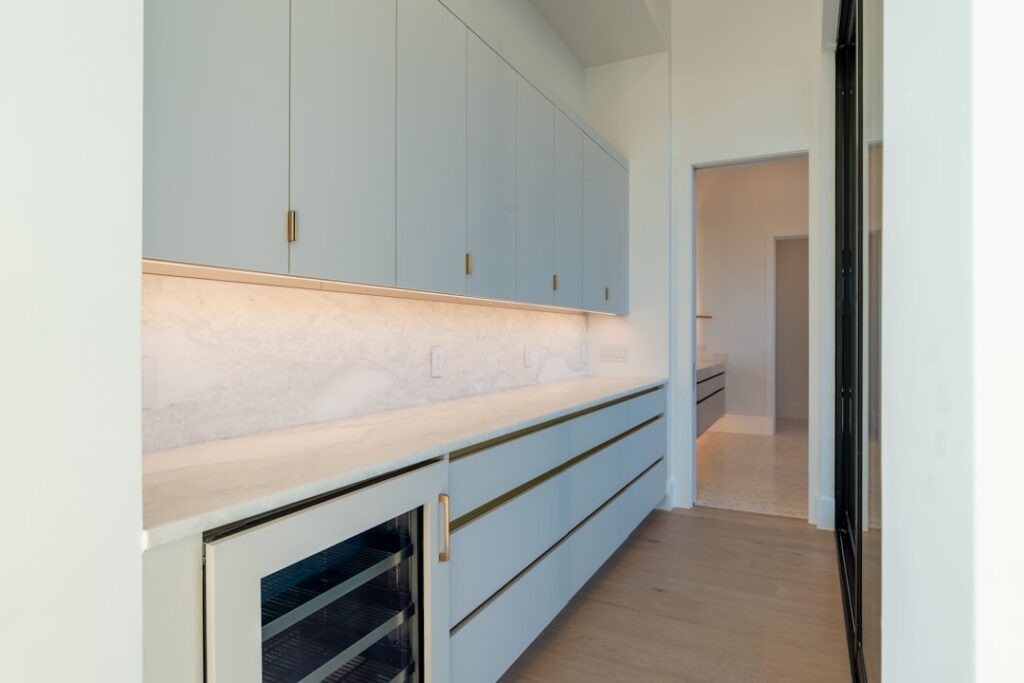
Original hardware carries a character that new pieces struggle to match. Whether you’re restoring a period home or adding warmth to a modern kitchen, antique cabinet hardware brings history, craftsmanship, and one-of-a-kind detail to your cabinetry. This guide explains the major styles, how to tell authentic from reproduction, and how to source and care for vintage pieces.
Part of our Kitchen Remodeling guide — explore the full guide →
- Why Antique Hardware Appeals
- Recognizing Period Styles
- Common Materials
- Authentic vs. Reproduction
- Where to Find Antique Hardware
- Buying in Matching Sets
- Checking Hole Spacing and Fit
- Cleaning Without Destroying Patina
- Restoring and Refinishing
- Mixing Antique and New
- Mistakes to Avoid
- Understanding Value and Pricing
- Reproduction Hardware as a Practical Option
- Preventing Damage During Removal
- Displaying and Reusing Antique Pieces
- Protecting Restored Finishes
- Frequently Asked Questions
- Final Thoughts
Why Antique Hardware Appeals
Vintage knobs and pulls were often made of solid brass, bronze, cast iron, or glass, with hand-finished detail that mass production rarely replicates. Each piece carries a patina earned over decades that designers pay a premium to imitate. Using genuine period hardware in a restoration preserves a home’s authenticity and can even support its historic value, while a few antique pieces in a new kitchen add instant depth and story.
Recognizing Period Styles
Different eras favored distinct looks. Victorian hardware, from the late 1800s, tends toward ornate cast brass and bronze with floral and scrollwork motifs. Arts and Crafts and Mission pieces from the early 1900s are simpler, with hammered copper and clean geometric lines. Art Deco hardware from the 1920s and 1930s is bold and streamlined with stepped or fan shapes. Mid-century pieces lean minimal, often in brushed metals and colored glass. Identifying the style helps you match hardware to your home’s era.
Common Materials
Solid brass was the workhorse of quality hardware and develops a rich brown patina. Cast iron appears in rustic and utilitarian pieces, especially bin pulls and hinges. Depression-era glass knobs, in clear, amber, cobalt, and milk glass, are prized for their sparkle. Bakelite, an early plastic, shows up in 1930s and 1940s pulls in warm ambers and greens. Knowing the material guides both cleaning methods and value.
Authentic vs. Reproduction
Reproductions can be excellent and affordable, but collectors pay more for originals. Signs of an authentic antique include irregularities from hand casting, genuine wear on high-contact edges, old-style slotted screws, and threading that differs from modern standards. Reproductions often have crisp, uniform casting, Phillips-head screws, and modern 8-32 threading. A magnet helps too: solid brass is non-magnetic, while plated steel reproductions attract a magnet.
Where to Find Antique Hardware
Architectural salvage yards are the richest source, often selling hardware pulled from demolished homes. Estate sales, flea markets, and antique malls turn up individual pieces and matched sets. Online marketplaces and specialist dealers offer curated inventory, though prices run higher. When you need many matching pieces, salvage dealers who buy out entire buildings are your best bet, since finding a dozen identical antique pulls elsewhere is difficult.
Buying in Matching Sets
The biggest challenge with antique hardware is quantity. A full kitchen may need 30 or more matching pieces, and originals rarely survive in such numbers. Solutions include buying a large salvage lot, mixing complementary but non-identical pieces for an eclectic look, or pairing a few genuine antiques with high-quality reproductions in the same finish. Decide your approach before you commit, since chasing a full matched set can take months.
Checking Hole Spacing and Fit
Antique pulls often use non-standard center-to-center spacing, since there was no universal standard historically. Measure the mounting holes precisely before buying, and confirm they align with your cabinets or that you’re willing to drill new holes. Threading can also differ; you may need vintage-style screws or an adapter. For knobs, check that the threaded post length suits your door or drawer thickness.
Cleaning Without Destroying Patina
Patina is part of the appeal, so clean gently. Start with warm soapy water and a soft cloth to remove grime. For brass you want to brighten, a paste of lemon juice and baking soda or a dedicated brass cleaner works, but understand that polishing removes the aged look permanently. Many restorers preserve the patina and only clean off dirt. Never use harsh abrasives or a wire wheel on delicate or valuable pieces.
Restoring and Refinishing
Heavily painted hardware, common in old homes with layers of overpaint, can be revived by soaking in a slow cooker with water and a little dish soap for several hours, then gently scrubbing with a soft brush. This lifts decades of paint without harsh chemicals. Loose or bent pieces can sometimes be tightened or reshaped carefully. For valuable antiques, consult a professional rather than risk damage.
Mixing Antique and New
You don’t need a fully period kitchen to enjoy antique hardware. A handful of vintage glass knobs on a modern painted island, or antique bin pulls on a farmhouse sink base, adds character without committing the whole room. When mixing, keep finishes in the same family, such as warm brass tones together, so the look reads intentional rather than random.
Mistakes to Avoid
Don’t over-polish valuable antiques, since removing patina destroys both charm and resale value. Avoid buying without measuring hole spacing, as mismatched holes mean redrilling or filler. Beware reproductions sold as genuine antiques at antique prices; check screws, casting, and threading. Finally, don’t assume you’ll find a full matched set quickly; plan your sourcing timeline realistically.
Understanding Value and Pricing
Antique hardware pricing swings widely based on rarity, condition, material, and demand. Common brass knobs might sell for a few dollars each at a flea market, while a matched set of ornate Victorian bin pulls or rare Art Deco pieces can command $30 to $100 or more apiece. Complete matched sets fetch a premium precisely because they’re hard to assemble. Glass and Bakelite knobs in desirable colors also carry higher value. Research recent sales of comparable pieces before paying collector prices.
Reproduction Hardware as a Practical Option
If sourcing dozens of matching antiques proves impossible or too costly, high-quality reproductions offer a practical middle path. Reputable makers produce faithful copies of Victorian, Arts and Crafts, and Colonial designs in solid brass and iron, often with aged finishes that mimic patina. Reproductions cost less, come in unlimited matching quantities, and use modern threading that fits standard cabinets. Blending a few genuine antiques with matching reproductions gives an authentic feel without the sourcing headache of an all-original set.
Preventing Damage During Removal
When salvaging hardware from old cabinets or furniture, work carefully to avoid damaging valuable pieces. Old slotted screws strip easily, so use a properly fitting screwdriver and apply steady pressure. Penetrating oil helps free corroded fasteners. Support delicate castings while unscrewing so they don’t crack. Label and bag hardware as you remove it, noting which piece came from where, so you can reassemble matched sets and keep track of screw sizes and orientations.
Displaying and Reusing Antique Pieces
Beyond cabinet doors, antique hardware finds new life in many ways. Glass and porcelain knobs make charming wall hooks, curtain tiebacks, or drawer pulls on repurposed furniture. Ornate bin pulls dress up a kitchen island or a bathroom vanity. Even mismatched single pieces can become decorative accents. This flexibility means you can buy interesting antiques as you find them and put them to use gradually, rather than waiting to assemble a complete matched set all at once.
Protecting Restored Finishes
Once you’ve cleaned or restored antique hardware, a protective coating helps preserve your work. For brass and bronze you want to keep bright, a thin coat of microcrystalline wax or a specialized metal lacquer slows tarnishing without altering the look. If you prefer to preserve the aged patina, simply keep the pieces dry and dust them gently, avoiding polishes that would strip the character. For hardware in a busy kitchen, a wax coating reduces the fingerprints and oils that dull the surface, extending the time between cleanings and keeping your antiques looking their best.
Frequently Asked Questions
Are antique pieces safe to use daily? Yes, solid brass and iron hardware was built to last and performs fine with routine care. Can I mix eras? A curated mix can look eclectic and charming, though matching within one era reads more cohesive. How do I match screw threads? Antique threading often differs from modern standards, so keep original screws or source vintage-style fasteners rather than forcing a modern screw that could damage the piece.
Final Thoughts
Antique cabinet hardware rewards patience with unmatched character and craftsmanship. Learn to recognize period styles and authentic construction, source from salvage yards and estate sales, measure hole spacing before you buy, and clean gently to preserve the patina that gives these pieces their soul. Whether you outfit a whole restoration or accent a modern space, vintage hardware brings a warmth and history that new pieces simply cannot buy.