The satisfying click of an old push-button switch is a small detail that instantly signals a home with history. An antique light switch brings period-correct character to a Victorian, Craftsman, or early-20th-century home in a way that a modern plastic toggle never can. Whether you’ve discovered original switches during a renovation or you’re hunting for authentic hardware to match your home’s era, understanding the types, their value, and the safety issues involved will help you make smart choices. This guide covers it all.
Old switches are charming, but they’re also decades-old electrical devices, and that combination demands respect. The good news is that between careful restoration of originals and excellent modern reproductions, you can capture the vintage look safely. Let’s start with the styles you’re likely to encounter.
- Common Types of Antique Switches
- Judging Value and Authenticity
- The Safety Question
- Restoring Original Switches
- Reproduction Switches: The Practical Choice
- Matching Cover Plates and Finishes
- Installation and Wiring Notes
- Where to Find Authentic Antique Switches
- Blending Old and New Throughout the Home
- Bringing Vintage Character Home
Common Types of Antique Switches
Switch design evolved with the electrical age, and each era left a distinctive style behind. The most collectible and recognizable types include:
- Push-button switches: The classic of the 1890s through the 1930s. Two buttons, one for on and one for off, often mounted in a decorative brass or bakelite plate. The most iconic antique switch look.
- Rotary and turn switches: An early design where you twist a knob to click the light on or off. Common in the earliest electrified homes.
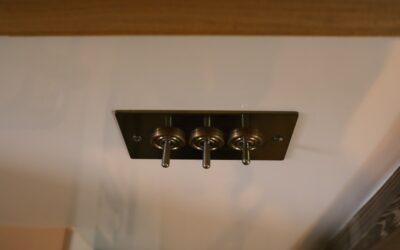
- Toggle switches: Introduced in the 1930s and 40s, these are the ancestors of today’s standard flip switch, but with heavier construction and period plates.
- Tumbler and paddle switches: Transitional designs bridging rotary and modern toggle styles.
Push-button switches are far and away the most sought-after for their looks and their tactile, satisfying operation. They pair beautifully with period-appropriate cover plates in brass, mother-of-pearl, or ornate stamped metal.
Judging Value and Authenticity
The value of an antique light switch depends on its age, rarity, condition, and whether it still works. A common bakelite push-button switch in fair condition might sell for $10 to $30, while a rare, ornate, or fully restored working example with a decorative plate can command $75 to $200 or more from collectors and restoration buyers.
Look for maker’s marks stamped on the mechanism, since names like Perkins, Hart, Bryant, and Arrow-Hart indicate genuine period manufacturers. Original decorative cover plates in brass or with mother-of-pearl inlay significantly increase value. Condition matters enormously: cracked bakelite, missing buttons, or a mechanism that no longer clicks crisply all reduce worth, though a skilled restorer can sometimes revive them.
The Safety Question
Here’s the part you can’t skip. An original antique switch is often 80 to 130 years old, and its internal contacts, springs, and insulation have aged. Old switches were also designed for lower electrical loads and the wiring standards of their day. Reusing an original switch carries real risks: worn contacts can arc, brittle insulation can fail, and none of these devices were built to modern safety codes.
Many antique switches also lack a ground connection and were made before polarized or grounded systems were standard. If your home still has knob-and-tube or cloth-insulated wiring, that’s a separate and serious concern that a licensed electrician should evaluate. Never assume an old switch is safe just because it still clicks; have any original device inspected before it carries current.
Restoring Original Switches
If you’re committed to keeping genuine hardware, restoration is possible but should be done carefully. Cleaning the bakelite or brass plate, polishing metal components, and gently servicing the mechanism can bring an old switch back to life cosmetically. However, the internal contacts and any deteriorated insulation are where safety lives.
The safest approach many preservationists take is to restore the original faceplate and button assembly for its authentic look while having an electrician rebuild or replace the internal switching mechanism with modern, code-compliant components. This marries vintage appearance with contemporary safety. Always have a professional confirm the restored device is safe to energize before putting it back in service.
Reproduction Switches: The Practical Choice
For most homeowners, the smartest path is a reproduction. Modern manufacturers make new push-button and vintage-style toggle switches that look convincingly period-correct while meeting current UL safety standards. These give you the satisfying click and classic appearance of an antique light switch with the reliability and grounding of a new device.
Reproduction push-button switches typically cost $15 to $50 each, with matching decorative plates available in brass, oil-rubbed bronze, and other period finishes. Some even offer dimming or three-way functionality hidden behind the vintage face. For a whole-house restoration where you need dozens of switches to work daily, reproductions are safer, more consistent, and often more affordable than sourcing and restoring genuine antiques.
Matching Cover Plates and Finishes
The cover plate does as much for the vintage look as the switch itself. Period-appropriate plates come in stamped brass, cast bronze, bakelite, and even mother-of-pearl or ceramic. For a cohesive result, match the finish of your switch plates to your other hardware, such as door knobs, cabinet pulls, and light fixtures.
An unlacquered brass plate will patina naturally over time, deepening to a warm antique tone that suits older homes beautifully. If you prefer it bright, choose a lacquered finish that stays shiny. Reproduction plate makers offer sizes to fit both original small-format switches and modern boxes, so measure your existing plates before ordering.
Installation and Wiring Notes
Whether you install a restored original or a reproduction, the wiring must be done safely and to code. Always turn off the circuit at the breaker and confirm it’s dead with a voltage tester before touching any wires. Modern reproductions include a ground terminal; connect the ground wire to it for safety, something original switches often can’t offer.
If your home has older two-wire systems without a ground, or you find aged wiring insulation, bring in a licensed electrician. Retrofitting vintage-style switches is a good opportunity to have an electrician evaluate and, if needed, update the associated wiring. Spending a little on professional installation protects your home and your family while still delivering the antique charm you’re after.
Where to Find Authentic Antique Switches
If you’re set on genuine period hardware, several sources turn up authentic pieces. Architectural salvage yards are the best hunting grounds, often pulling switches and plates from homes being demolished or renovated. Estate sales and auctions in older neighborhoods can yield boxes of original hardware at reasonable prices. Online marketplaces and specialty dealers cater to restorers, though prices there reflect the collector demand.
When buying, inspect closely for cracked bakelite, missing buttons, and a mechanism that still clicks crisply. Ask whether the switch has been tested or rewired, and assume that any untested original will need electrical evaluation before use. Buying several similar switches at once is smart if you’re outfitting a whole house, since matching additional pieces later can be difficult. Always factor in the cost of professional inspection or rebuilding when you price out a salvaged switch.
Blending Old and New Throughout the Home
You don’t have to commit to antique switches everywhere. Many homeowners use genuine or reproduction vintage switches in the most visible, character-defining rooms, like the entryway, living room, and dining room, while installing standard modern devices in closets, basements, and utility areas where looks matter less. This balances authenticity with budget and practicality.
Coordinating the small details ties the look together. Match your outlet covers to your switch plates in the same finish and style, and consider period-appropriate push-button dimmers where you want mood lighting. If you’re preserving an older home’s character for resale, consistent vintage-style hardware in the main rooms is a detail that buyers of historic homes genuinely notice and appreciate, adding to the home’s charm and perceived authenticity.
Bringing Vintage Character Home
An antique light switch is one of those authentic details that rewards attention, giving a period home a sense of continuity that new construction can’t fake. Decide whether you want the genuine article or a safe reproduction, prioritize electrical safety above all, and coordinate your plates and finishes for a polished result. Whether you restore a treasured original or install faithful reproductions throughout, that satisfying vintage click will remind you every day of the craftsmanship of an earlier era, now safely wired for modern living.