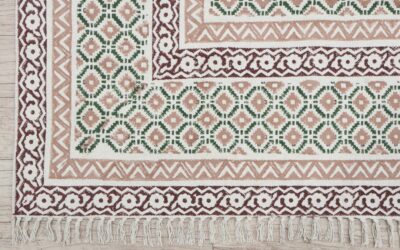
Green has quietly become one of the most requested rug colors in home design, and it’s easy to see why: it borrows from nature, pairs with almost every wood tone, and reads as both calming and rich depending on the shade. Choosing a rug green tone is really about matching the depth and undertone of the green to your room’s light, furniture, and mood. Pick the wrong shade and a green rug can feel dated or clash; pick the right one and it grounds the entire space. Here’s how to get it right.
Why Green Works So Well Underfoot
Green sits in the middle of the color wheel, which makes it unusually flexible. It pairs naturally with wood floors and furniture because both share earthy undertones, and it plays nicely with neutrals like cream, gray, and tan as well as with bolder accents like navy, mustard, and terracotta. Because we associate green with grass and foliage, it also brings an outdoor, restful quality indoors that few other colors match.
That versatility is why a green rug can be the safe grounding piece in a neutral room or the confident statement in a maximalist one. The trick is choosing the right green for the job.
Finding the Right Shade of Green
Not all greens behave the same in a room. The shade and undertone determine whether the rug feels fresh, moody, or dated, so consider these families before you buy.
- Sage and soft muted greens: gray-green undertones that read as calm, neutral, and easy to live with; ideal for bedrooms and living rooms.
- Emerald and jewel greens: deep, saturated, and luxurious; a statement choice that pairs beautifully with brass, velvet, and dark wood.
- Olive and moss: warm, earthy greens that ground rustic, boho, and mid-century spaces.
- Forest and hunter: rich dark greens that add depth and formality, great in libraries and studies.
- Bright and kelly greens: energetic and playful, best used in smaller doses or casual rooms.
Hold a sample against your wall color and flooring in the room’s actual light before committing. Greens shift dramatically between warm incandescent light and cool daylight.
Matching Green to Your Room
The right green depends on the room’s existing palette and how much attention you want the rug to draw. A few reliable pairings make the decision easier.
- With warm wood floors: olive, moss, and sage echo the wood’s warmth for a cohesive, organic look.
- With gray or cool neutrals: emerald or forest green adds a rich pop against a cool backdrop.
- With white and cream: almost any green works; brighter greens feel fresh, deeper greens feel grounded.
- With navy or blue accents: emerald and teal-leaning greens create a sophisticated, layered palette.
Materials and Where to Use Them
The best material depends on the room and the traffic. A green rug in a dining room faces different demands than one in a low-traffic bedroom.
- Wool: durable, soft, and naturally stain-resistant; the premium choice for living and dining rooms.
- Synthetic (polypropylene, nylon): budget-friendly and easy to clean; great for high-traffic and kid-friendly spaces.
- Jute and natural fibers: often a muted green blend, perfect for casual, textural, boho rooms.
- Indoor/outdoor polypropylene: fade- and moisture-resistant green rugs for patios, porches, and mudrooms.
Getting the Size Right
Even the perfect green in the wrong size undermines a room. Use these rules of thumb to scale your rug to the space.
- Living room: the rug should sit under at least the front legs of all seating; an 8×10 or 9×12 suits most rooms.
- Dining room: size it so chairs stay on the rug even when pulled out, usually 2 feet larger than the table on all sides.
- Bedroom: extend it 18 to 24 inches beyond the sides of the bed for that soft landing underfoot.
- Entry and hallway: a runner or small green rug adds warmth and catches grit.
Styling Tips That Sell the Look
Once you’ve chosen the shade and size, a few styling moves make the green rug feel intentional. Pull one accent color from the rug into throw pillows or artwork to tie the room together. Balance a bold emerald or forest rug with neutral upholstery so the rug stays the star. Layer a smaller green rug over a larger neutral jute for texture and depth in boho and farmhouse rooms. And bring in natural materials like wood, rattan, and plants, which amplify the organic quality green already carries.
Care and Longevity
Green rugs, especially natural-dyed and lighter shades, can fade in direct sun, so rotate the rug every six months and use window treatments in bright rooms. Vacuum regularly, blot spills immediately rather than rubbing, and use a rug pad to prevent slipping and reduce wear. For wool and natural fibers, have the rug professionally cleaned every couple of years to keep the color vibrant.
Patterns and Styles to Consider
The green you choose is only part of the story; the pattern shapes how formal or casual the rug feels. A solid or tonal green rug reads modern and lets the color do the talking, while patterned greens bring in personality and hide wear better in busy rooms.
- Traditional and Persian-style: deep greens in intricate medallions suit formal and transitional rooms.
- Moroccan and geometric: sage or olive with simple diamond patterns fit boho and modern spaces.
- Botanical and floral: leafy prints lean into green’s natural associations, great for sunrooms and bedrooms.
- Abstract and watercolor: blended greens add movement and softness to contemporary rooms.
Busier patterns are forgiving in high-traffic areas because they camouflage crumbs and minor stains, while solids show everything, so weigh the room’s use alongside the look you want.
Green Rugs by Room
Where you place a green rug should influence the shade and material you choose. In the living room, a durable wool or synthetic rug in sage or emerald anchors the seating and hides everyday traffic. Bedrooms welcome softer, calming greens like sage and muted moss, which promote rest and pair beautifully with white or wood furniture. Dining rooms call for a flat-weave or low-pile rug that chairs slide over easily, and a patterned green here disguises the inevitable dropped crumbs. For entryways, mudrooms, and covered patios, reach for an indoor/outdoor polypropylene rug in a deeper green that resists fading and shrugs off moisture and grit. Matching the rug’s toughness to how hard the room works is what keeps a green rug looking good long-term.
The Bottom Line
A green rug is one of the most flexible ways to add color and warmth to a space, but success comes down to matching the shade to your room’s light and palette. Reach for sage and olive when you want calm and cohesion, emerald and forest when you want richness and drama, and always test the tone in the room before buying. Get the shade, size, and material right, and a green rug will anchor the space and feel fresh for years.