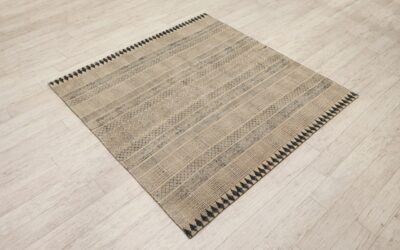
The safest color pairing in interior design also happens to be one of the most timeless, and it lives on the floor. A beige and green rug marries a warm, grounding neutral with the calm, organic energy of green, giving you a piece that anchors a room without dominating it. Beige plays nicely with nearly every wall color and wood tone, while green brings in the nature-inspired freshness that flat neutrals lack. It is a combination that reads as both classic and current, which is exactly why designers keep reaching for it. Here is how to choose, size, and style one so it looks intentional rather than accidental.
Why Beige and Green Works in Any Room
These two colors are natural partners because they sit close together in the earthy end of the palette. Beige is derived from warm, sandy neutrals, and green pulls directly from nature, so together they read as calming and cohesive rather than jarring. The neutral base means the rug never fights with your existing furniture, while the green adds just enough color to keep the space from feeling flat.
The pairing is also remarkably flexible across shades. A soft sage-and-cream rug feels serene and modern, while a deeper olive-and-tan reads richer and more traditional. That range lets the same color concept work in a bright coastal living room or a moody study.
Matching Green Shade to Your Style
The specific green sets the entire mood, so choose it around the feeling you want in the room.
- Sage and soft green: Calming and contemporary. Perfect for bedrooms, nurseries, and modern living rooms.
- Olive and moss: Warm and earthy, with a vintage or bohemian lean that pairs well with wood and leather.
- Emerald and forest: Rich and dramatic, best as an accent within a mostly beige field for a touch of luxury.
- Muted teal-green: A cooler option that plays into coastal and transitional schemes.
Bring home a swatch or a small sample and view it against your walls and furniture in daylight, since greens shift dramatically under different lighting.
Choosing the Right Material
Material determines how the rug feels, wears, and cleans, and it should match the room’s traffic. For a living room or dining room that sees heavy use, durability matters most.
- Wool: The premium choice. Naturally stain-resistant, soft, and long-lasting, though pricier at $8 to $20-plus per square foot.
- Synthetic (polypropylene, polyester): Budget-friendly, easy to clean, and great for high-traffic and homes with kids or pets.
- Jute and natural fiber: The beige base often comes from jute or sisal, adding texture that suits organic and coastal looks, but these dislike moisture.
- Cotton flatweave: Washable and casual, ideal for kitchens and low-traffic spots.
Getting the Size Right
Rug size is where most rooms go wrong, and a too-small rug makes even a beautiful piece look like an afterthought. The rule of thumb is that the rug should be large enough to sit under the front legs of your major furniture at minimum, and ideally under all the legs.
In a living room, an 8-by-10 or 9-by-12 typically anchors a seating group properly. Under a dining table, choose a rug that extends at least 24 inches beyond the table edges on all sides so chairs stay on the rug when pulled out. In a bedroom, an 8-by-10 under a queen or king bed leaves a soft border of rug on three sides. When in doubt, size up; a slightly larger rug almost always looks better than one that is too small.
Styling Tips That Pull the Room Together
A beige and green rug gives you a built-in palette to decorate around. Pull the green into the room with a few throw pillows, a plant, or artwork so the color feels deliberate and repeated rather than isolated on the floor. Keep larger upholstery in neutral tones so the rug remains the color anchor.
Layering works beautifully here too. Set a smaller patterned beige-and-green rug over a larger natural jute rug to add depth and texture. For wood floors, both warm and cool wood tones pair well, since the beige bridges them. And do not forget contrast; a bit of black or dark wood in the room, through a coffee table or lamp base, keeps the soft palette from feeling washed out.
Care and Longevity
Keep your rug looking fresh with regular vacuuming, at least weekly in high-traffic zones, and rotate it every few months so foot traffic and sunlight wear it evenly. Beige shows dirt more than darker colors, so address spills immediately by blotting, never rubbing, from the outside in.
Use a rug pad underneath; it prevents slipping, protects the rug and the floor, and adds cushion that extends the rug’s life. For wool and synthetic rugs, spot-clean with a mild solution, and for a deeper refresh, follow the manufacturer’s cleaning guidance or use a professional for fine wool pieces. Treated well, a quality beige and green rug is one of those pieces you will happily move from home to home, because the color combination simply never goes out of style.
Choosing the Right Pattern and Pile
Beyond color, the pattern and pile height shape how the rug feels in a room. A subtle tonal pattern, like a faded distressed medallion or a soft botanical, adds interest without competing with your furniture, and it hides everyday soil better than a solid field. Bolder options like geometric trellis or large floral work when the rest of the room is restrained and you want the rug to lead.
Pile height affects both comfort and practicality. A low-pile or flatweave rug is easy to vacuum, sits flush under doors, and suits high-traffic and dining areas. A plush, high-pile or shag rug feels luxurious underfoot in a bedroom or a low-traffic living room but traps more dirt and shows footprints. For a family room or entry, a low-to-medium pile in a forgiving pattern is the sweet spot that balances softness with easy upkeep.
Which Rooms Suit This Combination Best
The beige-and-green palette is genuinely room-agnostic, but a few spaces make the most of it. In the living room it grounds a neutral sofa and invites you to add greenery and natural textures like rattan and linen for an organic, layered look. In a bedroom, softer sage-and-cream tones create a restful, spa-like calm that pairs beautifully with white bedding and wood nightstands.
Home offices and reading nooks benefit from the color’s focus-friendly calm, while sunrooms and enclosed porches practically call for the outdoor-inspired greens. The one place to think carefully is a formal dining room, where a beige base can show food spills; there, lean toward a darker olive or a busier pattern that disguises the inevitable. Wherever you place it, echoing the green in a few accessories ties the whole scheme together and makes the rug feel like a deliberate anchor rather than a lucky accident.