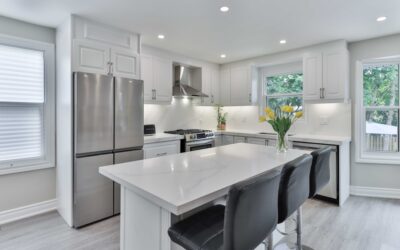
Beige spent years dismissed as boring, the safe choice you picked when you could not decide. That reputation is exactly backwards now. A well-designed modern beige kitchen proves that warm neutrals, paired with clean lines and the right materials, create a space that feels both sophisticated and genuinely welcoming. The shift came as homeowners grew tired of cold gray-and-white kitchens that looked dated almost as fast as they were installed. Beige and its cousin greige bring warmth back without sacrificing the crisp, contemporary look people want. The trick is in the execution, because the difference between a flat beige kitchen and a stunning one comes down to undertones, contrast, and texture.
Part of our Kitchen Remodeling guide — explore the full guide →
Why Beige Works in Modern Kitchens
Beige is having a comeback because it solves the biggest complaint about all-white and all-gray kitchens: they can feel sterile. Warm neutrals soften a space and make it feel lived-in while still reading as clean and current. Beige also flatters natural light, glowing warm in the morning and staying cozy in the evening.
Just as important, beige is a forgiving backdrop. It pairs with nearly any accent color, hides everyday wear better than stark white, and gives you flexibility to change the look later with new hardware, textiles, and decor rather than a full remodel.
Choosing the Right Beige Shade
Not all beiges are equal, and the undertone is everything. The wrong undertone is what makes some beige kitchens feel dingy or dated. Identifying the undertone before you commit prevents the most common mistake.
- Greige: a gray-beige blend that reads modern and balanced, the most popular choice.
- Warm beige: yellow or tan undertones for a cozy, inviting feel.
- Cool taupe: a more sophisticated, slightly mushroom tone.
- Cream and ecru: softer than white but warmer than gray.
Always test paint and cabinet samples in your actual kitchen at different times of day. A swatch that looks elegant in the store can turn yellow or pink under your home’s lighting.
Cabinet and Wall Combinations
The relationship between cabinets and walls defines the room. For a clean modern look, many designers pair greige cabinets with slightly lighter neutral walls, keeping the palette tonal and serene. Flat-panel or shaker cabinets in beige read as contemporary, especially with simple, linear hardware.
A two-tone approach adds depth: beige perimeter cabinets with a contrasting island in a deeper taupe, soft green, or even a warm wood tone. This keeps the kitchen from feeling monotone while preserving the warm neutral foundation.
Countertops and Backsplash
Surfaces are where you control contrast and texture. With beige cabinetry, your countertop choice sets the mood. Warm-veined quartz and marble-look surfaces keep the palette cohesive, while a darker counter adds definition and grounds the space.
- Warm white or cream quartz: blends seamlessly for a soft, airy feel.
- Beige or taupe stone: tonal and calm.
- Darker counters: charcoal or deep brown for contemporary contrast.
- Subtle backsplash: a tonal subway tile or a slab backsplash that extends the counter material.
Texture in the backsplash, like a handmade or fluted tile, adds quiet interest without breaking the modern, restrained look.
Hardware, Fixtures, and Metals
Metal finishes pull the whole design together and can swing a beige kitchen modern or traditional. For a contemporary feel, matte black hardware against beige cabinets creates striking, clean contrast. Brushed brass or warm gold adds a touch of luxury that complements the warm undertones.
Keep the look intentional by limiting yourself to one or two metal finishes throughout. Streamlined bar pulls and a sleek faucet reinforce the modern aesthetic, while ornate hardware would pull the kitchen toward traditional.
How to Keep Beige From Feeling Flat
The number one risk with a beige kitchen is that it reads as bland. Layering contrast and texture is the cure. A monochrome beige room with no variation falls flat, but the same palette with thoughtful depth feels designed.
- Add contrast: a darker island, black hardware, or a deep accent color.
- Layer textures: wood, stone, woven stools, and matte versus glossy finishes.
- Introduce one accent color: sage green, navy, or terracotta in decor and textiles.
- Use warm lighting: 2700K bulbs and statement pendants.
- Bring in greenery: plants add life and color against the neutral base.
These layers are what separate a forgettable beige kitchen from one that feels rich and intentional.
Flooring Choices for a Beige Kitchen
The floor either reinforces the warm palette or quietly undercuts it, so coordinate undertones carefully. Warm wood flooring pairs naturally with beige cabinetry and adds the organic depth a neutral kitchen needs. For a sleeker modern feel, large-format porcelain tile in a warm greige or sand tone keeps the look clean and easy to maintain.
- Warm wood or wood-look LVP: oak and walnut tones complement beige.
- Large-format porcelain tile: warm neutrals with minimal grout lines.
- Natural stone-look surfaces: for subtle organic variation.
Avoid cool gray flooring with a beige kitchen, since the clashing undertones can make both the floor and cabinets look muddy. Keep everything in the warm family for a unified result.
Common Mistakes to Avoid
A handful of missteps turn a beige kitchen flat or dated. The biggest is ignoring undertones and ending up with a yellow cast where you wanted a soft, modern neutral. Another is using a single beige everywhere with no contrast, which reads as monotonous rather than serene.
Cool-toned lighting is a frequent culprit too, washing the warmth right out of the room. And pairing beige with cold gray accents creates a disjointed look. Sidestep these by testing samples in your light, layering contrast and texture, choosing warm bulbs, and keeping your accents in coordinating warm tones.
Styling and Finishing Touches
The final details cement the modern feel. Keep countertops clutter-free and let a few quality pieces, like a wood cutting board, a ceramic vessel, or a bowl of fruit, add warmth. Open shelving in matching or wood tones can display curated items without overwhelming the eye.
Window treatments in natural linen, a runner or rug with subtle pattern, and warm-toned barstools complete the look. With the right undertone, smart contrast, and layered texture, a modern beige kitchen becomes a warm, timeless space that feels anything but boring.