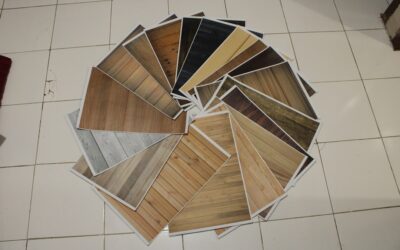
In my 20+ years of flooring experience, I’ve watched rustic hardwood flooring go from a niche farmhouse choice to one of the most requested styles in modern homes. There’s something deeply appealing about floors that celebrate natural imperfections — the knots, the grain variations, the character marks that tell a story. Whether you’re building a mountain retreat or adding warmth to a contemporary space, rustic hardwood delivers a look that engineered perfection simply cannot replicate. This guide covers everything you need to know about choosing, installing, and maintaining rustic hardwood floors.
- What Is Rustic Hardwood Flooring?
- Popular Wood Species for Rustic Floors
- Finishes and Textures
- Styles and Installation Patterns
- Costs and Budgeting
- Installation Considerations
- Maintenance and Care
- Best Rooms for Rustic Hardwood
- Choosing Rustic Engineered Flooring for Character Without the Movement
- Frequently Asked Questions
What Is Rustic Hardwood Flooring?
Rustic hardwood flooring refers to wood planks graded to include natural character marks that would be sorted out in higher “select” or “clear” grades. These include visible knots, mineral streaks, color variations between boards, wormholes, and pronounced grain patterns. The grading system in the hardwood industry runs from Clear (fewest imperfections) down through Select, #1 Common, and #2 Common — with rustic grades typically falling at #2 Common or a special “cabin” or “tavern” grade.
What I tell my clients is that rustic doesn’t mean lower quality. The wood itself is just as strong and durable as higher-graded planks from the same species. You’re simply embracing the natural characteristics rather than paying a premium to avoid them. In fact, many homeowners now specifically request these character marks, which has driven some manufacturers to create hand-scraped or distressed products that mimic the rustic look even in higher-grade lumber.
Rustic vs. Traditional Hardwood Grading
The National Wood Flooring Association (NWFA) defines appearance grades that manufacturers follow. In traditional grading, a “Select” grade oak board would have minimal color variation and very small, tight knots if any. A rustic or #2 Common board from the same tree might have knots up to the width of the plank, sapwood streaks, and noticeable color differences. Both boards have the same Janka hardness, the same structural integrity, and the same lifespan when properly maintained. The difference is purely aesthetic — and the price difference can be significant.
Popular Wood Species for Rustic Floors
Oak (Red and White)
Oak remains the most popular choice for rustic hardwood flooring, and for good reason. Red oak’s prominent grain pattern becomes even more dramatic in rustic grades, with swirling cathedral patterns and warm pinkish-brown tones. White oak offers a slightly more subdued grain with golden-brown hues and better moisture resistance. Both species rate around 1,290-1,360 on the Janka hardness scale, making them suitable for high-traffic areas. Rustic-grade oak typically runs $3 to $6 per square foot for materials.
Hickory
If you want maximum character, hickory is hard to beat. It’s one of the hardest domestic species at 1,820 Janka, and its natural color variation — from creamy white sapwood to deep chocolate brown heartwood — creates a stunning visual contrast in rustic grades. I’ve installed hickory floors where no two boards look remotely alike, and the effect is absolutely striking. Expect to pay $4 to $8 per square foot for rustic hickory.
Pine (Eastern White and Heart Pine)
Pine is a softwood, but it’s a classic rustic flooring choice, especially in colonial and farmhouse settings. Eastern white pine is soft (380 Janka) and will dent and wear, but many homeowners love the patina that develops over time. Reclaimed heart pine is significantly harder and carries incredible character from its previous life. Rustic pine ranges from $2 to $5 per square foot for new material, while reclaimed heart pine can run $8 to $15.
Maple
Rustic maple offers a lighter color palette with cream to light amber tones. At 1,450 Janka, it’s harder than oak and holds up well in busy households. The rustic grade introduces mineral streaks and darker heartwood patches that add visual interest to maple’s typically uniform appearance. Pricing falls between $4 and $7 per square foot.
Walnut
American walnut in rustic grades is something special. The heartwood ranges from rich chocolate to purplish-brown, and sapwood introduces lighter streaks that create beautiful contrast. At 1,010 Janka, it’s softer than oak, so I recommend it for lower-traffic areas or homes without large dogs. Rustic walnut runs $5 to $9 per square foot.
Finishes and Textures
Hand-Scraped
Hand-scraped finishes are the gold standard for rustic hardwood. Originally, this technique involved literally scraping each board by hand with a drawknife, creating subtle undulations across the surface. Today, most manufacturers use machine processes to replicate the look, though true hand-scraped floors are still available at a premium. The texture hides minor scratches and dents beautifully, making it one of the most practical finishes for families.
Wire-Brushed
Wire brushing removes the softer wood fibers from the surface, leaving the harder grain slightly raised. This creates a subtle texture that enhances the wood’s natural grain pattern. It’s less dramatic than hand-scraping but adds depth and dimension that smooth floors lack. I find wire-brushed finishes work particularly well with oak and ash species where the grain contrast is already pronounced.
Distressed
Distressed finishes go beyond texturing to include simulated wear marks, small dents, and edge rounding that mimic decades of use. Some manufacturers even add simulated wormholes or saw marks. When done well, distressed floors look like they’ve been in your home for a century. When done poorly, they look artificial. I always recommend seeing large samples before committing.
Oil vs. Polyurethane Finish
For rustic floors, I generally lean toward penetrating oil finishes rather than film-forming polyurethane. Oil soaks into the wood and enhances the natural look without adding a plastic-like sheen. It’s easier to spot-repair and develops a beautiful patina over time. Polyurethane offers more protection against moisture and wear but can look too refined for a truly rustic aesthetic. Matte polyurethane is a good compromise if you want durability with a low-sheen look.
Styles and Installation Patterns
Wide Plank
Wide planks (5 inches and above) are the most popular choice for rustic installations. Wider boards show off more of each plank’s unique character and create fewer seam lines across the floor. I’ve installed rustic floors with planks up to 12 inches wide, and the effect is magnificent — though wider planks require more stable subfloor conditions and proper acclimation to avoid cupping or gapping.
Mixed-Width
Mixing two or three different plank widths in a random pattern is an authentically rustic approach that mimics how floors were originally installed when lumber was milled from whatever was available. A typical combination might be 3-inch, 5-inch, and 7-inch planks installed in a repeating random sequence.
Reclaimed and Barnwood
Reclaimed wood — sourced from old barns, factories, warehouses, and other structures — is the ultimate rustic flooring material. Each board carries genuine history: nail holes, saw marks, weathering, and patina that cannot be replicated. Reclaimed flooring requires careful sourcing, professional milling, and thorough inspection for hidden nails or pest damage. Prices range from $8 to $20 per square foot depending on the species and provenance.
Chevron and Herringbone
While these patterns are traditionally associated with formal settings, combining them with rustic-grade wood creates an interesting tension between refined pattern and natural character. It’s a design approach I’m seeing more frequently in transitional and modern farmhouse interiors.
Costs and Budgeting
One of the biggest advantages of rustic hardwood is value. Because the grading system considers character marks as “defects,” rustic grades cost significantly less than select or clear grades of the same species. Here’s what you can expect to budget:
- Materials: $3 to $10 per square foot depending on species and source
- Installation: $3 to $6 per square foot for nail-down or glue-down
- Finishing (if unfinished): $2 to $4 per square foot for sand and finish on-site
- Total installed cost: $6 to $16 per square foot
For a typical 1,000-square-foot installation, you’re looking at $6,000 to $16,000 all-in. Compare that to select-grade hardwood, which often starts at $10 per square foot installed and can reach $20+ for premium species. The savings from choosing a rustic grade can be 20% to 40% on materials alone.
Installation Considerations
Subfloor Requirements
Rustic hardwood installs the same way as any hardwood floor. For nail-down installation over a wood subfloor, you need at minimum a 3/4-inch plywood or OSB subfloor that’s flat within 3/16 inch over 10 feet. For concrete subfloors, glue-down or floating installation methods work best. Always check moisture levels before installation — wood subfloors should read below 12% moisture content, and concrete should test below 3 pounds per 1,000 square feet using the calcium chloride test.
Acclimation
I cannot stress this enough: acclimate your rustic hardwood in the room where it will be installed for at least 5 to 7 days before installation. Rustic-grade boards may have more variation in moisture content than higher grades, making acclimation even more critical. Stack the boxes in the room with spacers between them to allow air circulation on all sides.
Sorting Before Installation
With rustic grades, I always spend time sorting boards before installation begins. Separate out any boards with loose knots that need filling, group boards by color range, and identify any pieces with defects too severe for visible areas. This planning step takes a few hours but makes a massive difference in the final result. You want the character to look intentional, not random.
Maintenance and Care
Rustic hardwood floors are actually easier to maintain than their pristine counterparts, simply because minor scratches and dents blend into the existing character rather than standing out. That said, proper care extends the life of any hardwood floor:
- Sweep or vacuum regularly with a hardwood-safe attachment
- Clean with a manufacturer-recommended hardwood floor cleaner
- Use felt pads under furniture legs and replace them every 6 months
- Maintain indoor humidity between 35% and 55% year-round
- Place mats at exterior doors to catch grit and moisture
- Refinish every 7 to 10 years for polyurethane finishes, or refresh oil finishes annually
Dealing with Large Knots
One maintenance consideration unique to rustic floors is open knots. Over time, wood movement can cause filled knots to crack or separate. Keep a small container of color-matched wood filler on hand for touch-ups. For large open knots that were filled with epoxy during installation, inspect them periodically for cracking or separation from the surrounding wood.
Best Rooms for Rustic Hardwood
Rustic hardwood works beautifully throughout most of your home. Living rooms, bedrooms, dining rooms, and hallways are all excellent candidates. The forgiving nature of rustic grades makes them particularly well-suited for entryways and family rooms where daily wear is heaviest.
I generally advise against hardwood in bathrooms and laundry rooms due to moisture concerns, though white oak with a quality finish can handle occasional splashes in a powder room. Kitchens are fine as long as you promptly clean up spills and use mats near the sink and dishwasher.
Rustic hardwood pairs naturally with exposed beams, stone fireplaces, shiplap walls, and wrought iron fixtures. But it also works surprisingly well in contemporary spaces where the organic texture provides warmth and contrast against clean-lined furniture and minimalist decor.
Choosing Rustic Engineered Flooring for Character Without the Movement
Character-grade boards do not have to be solid planks. Rustic engineered flooring puts a real wood top layer, full of knots, mineral streaks and color shifts, over a stable layered core. It delivers the same cabin or farmhouse look while opening up rooms where solid wood is risky, and it comes with its own set of buying details worth understanding before you order.
Where Engineered Makes More Sense Than Solid
The cross-layered core in engineered boards resists swelling and shrinking far better than solid lumber, which matters with the wide planks that suit a rustic style. Very wide solid planks are more prone to cupping and seasonal gaps, while engineered versions in the same widths usually stay flatter. That stability also makes rustic engineered flooring a practical choice over concrete slabs, in below-grade basements with good moisture control, and over radiant heat when the product is approved for it. Always confirm the approved installation areas in the product instructions.
Veneer Type and How Texture Affects Refinishing
Not all top layers are made the same way. Sawn veneers are cut like lumber and look the most like solid boards, with natural grain on the face. Sliced veneers are also attractive and common at mid prices. Rotary-peeled veneers are unrolled from the log and can show a broad, unusual grain pattern that some people find less authentic. Texture matters too: deep hand scraping or heavy wire brushing removes part of the wear layer to create the look, so a heavily textured board may have less usable wood left for a future sanding. If you expect to refinish someday, choose a thicker wear layer and a lighter texture.
Plank Length, Bevels and Lot Matching
Long boards show off character better and reduce the number of end joints, so check the average and maximum lengths in the box, not just the width. Many rustic products have beveled edges that create small grooves between boards and emphasize the plank look; those grooves collect a bit more dust but hide minor height differences. Because character grades vary so much, buy all of your material from the same production lot when possible and open several boxes at once during installation, mixing boards so that dark or knotty pieces are spread across the room instead of clustering.
Installing and Living With It
Rustic engineered flooring can be nailed, glued or floated depending on the product, which makes it adaptable to most subfloors. Open knots are often factory-filled, but inspect each board and set aside any with loose fills for closets or cut pieces. Daily care matches any finished wood floor: keep grit off with regular sweeping, use a barely damp mop and a wood-safe cleaner, and maintain steady indoor humidity. The forgiving, knotty surface means everyday scuffs blend in, which is a big part of why this style is so popular in busy homes.
Frequently Asked Questions
Is rustic hardwood flooring cheaper than regular hardwood?
Yes. Rustic or “cabin” grade hardwood typically costs 20% to 40% less than select or clear grades of the same species. The wood comes from the same trees and has the same structural quality — it’s simply graded lower because of visible knots, color variation, and mineral streaks that many homeowners now prefer aesthetically.
Can rustic hardwood flooring be refinished?
Absolutely. Solid rustic hardwood can be sanded and refinished multiple times over its lifespan, just like any solid hardwood floor. The character marks will become even more pronounced after sanding, which most homeowners appreciate. Engineered rustic hardwood can also be refinished, though the number of times depends on the thickness of the wear layer.
How do you fill knots in rustic hardwood flooring?
Small knots can be filled with color-matched wood filler or putty. For larger open knots, I use clear or tinted epoxy resin, which creates a durable, smooth surface that won’t shrink or crack over time. Some installers use dark-colored epoxy to make knot fills a deliberate design feature. Always fill knots before final sanding and finishing for the best result.
Does rustic hardwood flooring work with modern decor?
It works beautifully. The contrast between natural, character-rich flooring and clean modern furnishings creates a warm, layered look that pure minimalism often lacks. Choose wider planks in lighter species like white oak or maple, and apply a matte finish for the most contemporary feel. Wire-brushed textures tend to read more modern than heavy hand-scraping.
What’s the difference between rustic and distressed hardwood flooring?
Rustic refers to the natural grade of the wood — boards with knots, color variation, and mineral streaks that occur naturally. Distressed is a surface treatment applied to any grade of wood to simulate aging and wear, such as hand-scraping, denting, or edge-wearing. You can have a rustic-grade floor with a smooth finish, or a select-grade floor with a distressed finish. Many products combine both for maximum character.
Prefer to explore on your own?
See how new flooring looks in your actual room in seconds — free, no signup.
Try the free Floor Studio →