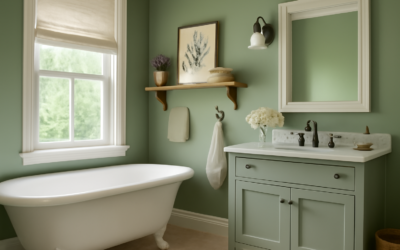
Gray kitchens are fading, and the soft, organic palettes replacing them are far more inviting. A sage green and gold kitchen sits right at the top of that shift, pairing the calm, earthy quiet of muted green with the warm glow of brass and gold accents. The combination reads as elegant and timeless rather than trendy, because sage is a near-neutral and gold has been a kitchen staple for centuries. Done thoughtfully, the look feels expensive without demanding an expensive remodel. The key is balance: let sage set the mood and let gold do the sparkling.
Part of our Kitchen Remodeling guide — explore the full guide →
- Why Sage and Gold Work Together
- How to Apply the Sage
- Choosing Gold Hardware and Fixtures
- Countertops and Backsplash
- Flooring Choices
- Lighting and Metallic Glow
- Accents and Finishing Touches
- Picking the Right Sage Paint
- Styles This Palette Suits
- Budget-Friendly Ways to Get the Look
- Keeping the Balance Right
Why Sage and Gold Work Together
Sage is a gray-green with a grounded, natural quality that flatters almost any room. It is soft enough to act like a neutral but interesting enough to feel intentional. Gold and brass bring warmth and a touch of luxury, and because green and gold sit near each other in nature, think foliage and sunlight, the pairing feels harmonious instead of forced. Warm metal also keeps cool sage from feeling sterile, which is the trap many all-green kitchens fall into.
How to Apply the Sage
Decide how much green you want to commit to, then place it where it carries the design. There are a few reliable approaches:
- Full sage cabinets: the boldest choice, with green on both upper and lower cabinets for an immersive, enveloping look.
- Two-tone: sage on the lower cabinets and island, white or cream on the uppers, which keeps the room feeling light.
- Island accent: a sage island against neutral perimeter cabinets, the easiest way to test the color.
- Walls only: sage paint or a sage backsplash with neutral cabinetry, the most renter- and budget-friendly route.
Choosing Gold Hardware and Fixtures
Gold is most effective as the jewelry of the kitchen, sprinkled in rather than poured on. Cabinet pulls and knobs in brushed or satin brass are the workhorses, and they look stunning against sage. Extend the metal to the faucet, the pendant lights, and open-shelf brackets to tie the scheme together. Brushed or aged brass wears better than high-polish gold in a working kitchen, hiding fingerprints and softening the shine so it reads sophisticated rather than flashy. Try to keep your metals mostly consistent so the gold feels deliberate.
Countertops and Backsplash
Sage and gold give you room to play with surfaces. White or cream quartz with subtle warm veining keeps the room bright and lets the cabinets and metal shine. For more drama, a marble or marble-look quartz with gold or beige veining literally connects the counter to the metallic accents. On the backsplash, white subway tile reads classic, a zellige-style tile adds handcrafted warmth, and a green-and-white pattern doubles down on the palette. Whatever you pick, lean warm and neutral so it supports the two stars rather than competing.
Flooring Choices
The floor anchors the whole scheme, and warm tones serve sage and gold best. Natural oak or a warm wood-look luxury vinyl plank brings out the honeyed quality of the brass and grounds the green. For a more classic feel, terracotta or warm-toned tile suits a Mediterranean or farmhouse-leaning sage kitchen. Steer away from cool gray flooring, which can fight the warmth of the gold and leave the room feeling disjointed.
Lighting and Metallic Glow
Lighting is where gold earns its keep. A pair of brass pendant lights over the island instantly elevates the space and repeats the metal at eye level. Choose warm bulbs around 2700K to 3000K so the gold glows and the sage stays soft; cool light can wash both out. Layer in under-cabinet lighting to brighten work surfaces and a statement fixture or sconces to add depth. The interplay of warm light on brass is a big part of why this palette feels so rich.
Accents and Finishing Touches
Carry the colors into the details to make the kitchen feel collected. Practical accents include:
- Brass bar stools or stool legs at the island.
- Greenery and herbs in terracotta or brass pots, echoing the sage organically.
- Gold-rimmed glassware or open-shelf styling in warm metals.
- Natural textures like wood cutting boards, woven baskets, and linen to keep the look warm and lived-in.
Picking the Right Sage Paint
Not all sages are equal, and the undertone changes the whole room. Some sages lean gray and cool, others lean warm and almost olive. Because gold and brass are warm, a sage with a touch of warmth or a true gray-green balance usually flatters the metal best; a very cool, blue-leaning sage can fight the gold. Light dramatically shifts how green reads, so always test large paint samples on more than one wall and view them in morning and evening light before committing. Paint a sample board, set it next to your hardware and counter samples, and live with it for a few days.
Styles This Palette Suits
Sage and gold are versatile enough to carry several design directions. In a modern farmhouse, pair them with Shaker cabinets, white quartz, and warm wood for a fresh, cozy feel. In a transitional kitchen, the combination reads elegant and timeless against marble-look counters and classic subway tile. It also suits English-cottage and Mediterranean schemes, where sage cabinets, brass fixtures, and handmade tile feel collected and warm. Because sage acts as a near-neutral and gold is a classic, the palette tends to age gracefully rather than dating quickly the way a trend color might.
Budget-Friendly Ways to Get the Look
You do not need a full remodel to bring sage and gold into the kitchen. The most affordable route swaps existing cabinet hardware for brushed-brass pulls and knobs, an inexpensive change that instantly warms the room. Painting the existing cabinets or just the island sage is a weekend project that transforms the space for the cost of paint and time. A new brass faucet, a pair of gold-toned pendant lights, and a few green-and-gold accessories layer in the palette without touching the counters or floor. Build the look in stages, hardware first, then paint, then fixtures, and you spread the cost while watching the kitchen evolve toward that calm, elegant scheme.
Keeping the Balance Right
The most common misstep is overdoing the gold until the kitchen feels gaudy, or going so heavy on sage that it turns flat. Aim for sage as the dominant color across the largest surfaces, neutrals to keep things breathing, and gold as a restrained accent across hardware, fixtures, and a few decorative pieces. Get that ratio right and a sage green and gold kitchen feels calm, warm, and quietly luxurious, a palette that will still look right years from now.