Whether you lost the default programming code or want to wipe a lock before selling your home, knowing the schlage smart lock reset code procedure keeps you in control of your door. This guide covers code resets, full factory resets, and the fixes for the errors that trip owners up.
- Understanding the Two Reset Types
- Find Your Default Programming Code
- Resetting a User Code on Schlage Keypad Locks
- Factory Reset on Schlage Encode and Encode Plus
- Factory Reset on Schlage Sense and Connect
- Re-Adding the Lock to Your App or Hub
- How Many Codes Can You Store
- Battery and Power Notes
- When You Should Reset the Lock
- Understanding the Light and Beep Signals
- Managing Codes Through the App
- Security Best Practices After a Reset
- Troubleshooting Failed Resets
- Mistakes to Avoid
- Keeping Your Lock Working Long Term
- Frequently Asked Questions
- Final Takeaway
Understanding the Two Reset Types
Schlage locks have two distinct resets that people often confuse. A code reset simply deletes or changes a user access code while the lock keeps its settings. A factory reset wipes every access code, restores the default programming code, and clears any Wi-Fi, Z-Wave, or Bluetooth pairing. Choose the code reset for daily management and the factory reset when selling, gifting, or troubleshooting a stuck lock.
Find Your Default Programming Code
Every Schlage keypad lock ships with a six-digit programming code and a temporary user code printed on a sticker inside the battery compartment or on the reset card in the box. The programming code always begins the sequence for adding or deleting user codes. If you lost the card, a factory reset regenerates a default programming code, though on some models it stays the same, so photograph that sticker before you install the lock.
Resetting a User Code on Schlage Keypad Locks
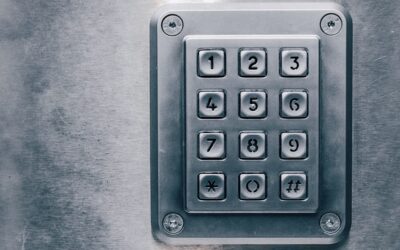
To delete a user code on models like the Schlage Camelot or Century keypad deadbolts, press the Schlage button, then enter the programming code. The keypad flashes orange. Press the number 2, then enter the user code you want to delete followed by that same code again. A green light and single beep confirm deletion. Add a new four-digit code by pressing Schlage, the programming code, the number 1, then the new code twice.
Factory Reset on Schlage Encode and Encode Plus
The Wi-Fi Encode requires a two-part reset. First, remove the interior cover and disconnect the battery pack. Press and hold the Schlage button on the exterior keypad while reconnecting the battery. Keep holding until the keypad flashes and beeps, then release. Press the Schlage button once more and wait for the lock to cycle. This clears all codes and Wi-Fi credentials, so you must re-add the lock in the Schlage Home app afterward.
Factory Reset on Schlage Sense and Connect
For the Bluetooth Sense and Z-Wave Connect models, disconnect the battery, then press and hold the outside Schlage button while reconnecting power. The keypad lights and beeps once, then flashes green. Release, press the Schlage button again, and the lock relearns its default programming code. Remove the lock from your smart hub or the Schlage Sense app before doing this so it does not show as offline.
Re-Adding the Lock to Your App or Hub
After any factory reset, the lock is unpaired. Open the Schlage Home app, tap add device, and scan the QR code from the reset card or battery compartment. For Z-Wave Connect models, put your hub into inclusion mode and enter the enrollment sequence. Budget 10 to 15 minutes for re-pairing, and confirm your router uses a 2.4 GHz band, which Encode models require for Wi-Fi.
How Many Codes Can You Store
Schlage keypad deadbolts store up to 30 user codes on standard models and up to 100 access codes on the Encode Plus. Each code is four digits by default, though the Encode Plus supports longer codes through the app. Reset unused codes periodically, especially after guests, contractors, or house cleaners no longer need access.
Battery and Power Notes
Most Schlage smart locks run on four AA alkaline batteries lasting about six months to a year. A weak battery can cause failed resets, so install fresh batteries before any reset attempt. The Encode Plus uses a rechargeable pack. Never mix old and new batteries, and avoid lithium AAs unless the manual specifically allows them, since voltage differences can confuse the electronics.
When You Should Reset the Lock
There are several moments when resetting codes is the right move. When a houseguest, contractor, cleaner, or short-term renter no longer needs entry, delete their code immediately rather than leaving it active. After a move-in, always wipe the previous owner’s or tenant’s codes with a factory reset. If the lock behaves erratically after a firmware update or battery change, a reset often clears the glitch. And before selling or gifting the lock, a full factory reset removes your personal codes and network credentials.
Understanding the Light and Beep Signals
Schlage locks communicate through the keypad’s colored lights and beeps, so learning the signals speeds up any reset. A single green light with one beep confirms a successful action, such as adding or deleting a code. A yellow or orange flash indicates the lock is waiting for the next step in a programming sequence. Three red flashes with three beeps signal an error, usually a wrong programming code or a full code memory. A slow-flashing green light during a factory reset shows the lock is relearning its defaults.
Managing Codes Through the App
On Wi-Fi and Bluetooth models like the Encode and Sense, the Schlage Home app lets you add, name, delete, and schedule codes without touching the keypad. You can create recurring codes for a weekly cleaner, one-time codes for a delivery, or temporary codes that expire on a set date. The app also logs entry activity, showing which code unlocked the door and when, which is far more convenient than managing everything manually at the door. A reset through the app pushes instantly to the lock over your network.
Security Best Practices After a Reset
Once you have reset and re-added your codes, follow a few security habits. Use unique four-digit codes for each family member so entry logs stay meaningful, avoid sequential or repeated digits, and change the master programming code from its printed default. Enable auto-lock so the deadbolt engages automatically after 30 seconds to a few minutes. Periodically audit stored codes and delete any you no longer recognize, and keep firmware current to close security vulnerabilities as Schlage patches them.
Troubleshooting Failed Resets
If the keypad flashes red three times, your programming code is wrong; retrieve it from the reset card or perform a factory reset. If the lock will not enter reset mode, the battery may not have fully disconnected, so wait 30 seconds after removing it before reconnecting. A lock that beeps but never flashes green usually has a jammed bolt, so confirm the deadbolt throws freely by hand before troubleshooting the electronics.
Mistakes to Avoid
Do not factory reset while the lock is still enrolled in a smart hub, or it will show as offline and require manual removal. Never discard the reset card or the battery-compartment sticker; store them with your home documents. Avoid setting easily guessed codes like 1234 or your street number, and change the default user code the day you install the lock.
Keeping Your Lock Working Long Term
A little routine care prevents most reset headaches. Replace all four AA batteries at once every six to twelve months rather than waiting for a dead lock, and keep a spare set nearby. Lubricate the deadbolt annually with a dry graphite or PTFE lubricant, never oil, so the bolt throws smoothly and the motor is not straining. Confirm the strike plate aligns cleanly with the bolt, since binding forces the motor to work harder and can trigger false errors that tempt an unnecessary reset. Store your reset card and programming code with your important home documents so a code reset or factory reset is always straightforward when you need one.
Frequently Asked Questions
Does resetting delete my schedules? A factory reset erases auto-lock timers and all codes, while a simple code reset preserves them. Can I reset without the app? Yes, keypad code management works entirely at the door using the programming code. Will a reset break my warranty? No, resetting is a normal supported operation covered under Schlage’s limited electronics warranty.
Final Takeaway
Mastering the schlage smart lock reset code process means you can add, delete, and fully wipe access codes whenever life changes, from a departing houseguest to a home sale. Keep your programming code and reset card safe, install fresh batteries before you begin, and follow the model-specific button sequence to keep your door secure and fully under your control.