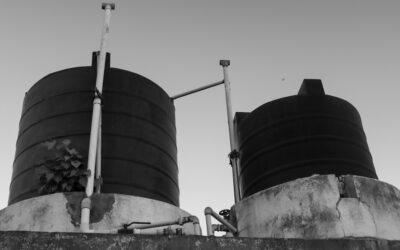
Proper septic system maintenance is one of the most overlooked responsibilities of homeownership, yet neglecting it can lead to catastrophic failures that damage your yard, contaminate groundwater, and even destroy interior flooring through sewage backups. In 2026, approximately one in five American homes relies on a septic system, making routine care a critical skill for millions of families.
This guide covers everything you need to know about maintaining your septic system, from understanding how it works to creating a year-round maintenance schedule that prevents costly emergencies.
How a Septic System Works
A conventional septic system consists of two main components: the septic tank and the drain field (also called a leach field). Understanding the basic mechanics helps you appreciate why regular maintenance matters.
Wastewater from your home flows through the main sewer line into the septic tank, a buried, watertight container typically made of concrete, fiberglass, or polyethylene. Inside the tank, solids settle to the bottom as sludge, while fats and oils float to the top as scum. The liquid effluent in the middle layer flows out to the drain field, where it percolates through gravel and soil for natural filtration.
Bacteria inside the tank break down organic matter, but they cannot eliminate all solids. Over time, sludge and scum accumulate to levels that require professional pumping. Without regular removal, these layers can overflow into the drain field, clogging the soil and causing system failure.
Recommended Maintenance Schedule
Consistency is the cornerstone of effective septic system maintenance. Follow this schedule to keep your system operating efficiently throughout 2026 and beyond.
| Task | Frequency | DIY or Professional |
|---|---|---|
| Visual inspection of tank area | Monthly | DIY |
| Check for slow drains & odors | Monthly | DIY |
| Inspect risers & lids | Quarterly | DIY |
| Measure sludge & scum levels | Annually | Professional |
| Full system inspection | Every 1 – 3 years | Professional |
| Tank pumping | Every 3 – 5 years | Professional |
| Drain field inspection | Every 3 – 5 years | Professional |
| Effluent filter cleaning | Every 6 – 12 months | DIY or Professional |
Septic Tank Pumping
Pumping is the single most important aspect of septic system maintenance. The frequency depends on four key factors: tank size, household size, total wastewater generated, and the volume of solids in the wastewater.
| Tank Size (Gallons) | 1 – 2 People | 3 – 4 People | 5 – 6 People |
|---|---|---|---|
| 750 | Every 4 – 5 years | Every 2 – 3 years | Every 1 – 2 years |
| 1,000 | Every 5 – 6 years | Every 3 – 4 years | Every 2 – 3 years |
| 1,250 | Every 6 – 7 years | Every 4 – 5 years | Every 2 – 3 years |
| 1,500 | Every 7 – 9 years | Every 4 – 5 years | Every 3 – 4 years |
When hiring a pumping service, ask them to inspect the tank for cracks, corrosion, and baffle condition. A thorough pumping and inspection costs between $300 and $600 in 2026, depending on your location and tank accessibility.
Warning Signs of Septic Failure
Catching problems early can save you thousands of dollars in repairs. Watch for these red flags throughout the year.
- Slow-draining sinks, tubs, and toilets throughout the house, not just one fixture
- Gurgling sounds in the plumbing when water is running
- Sewage odors in the house, yard, or near the drain field
- Standing water or soggy soil above the drain field, especially when it has not rained
- Unusually green or lush grass over the drain field compared to the rest of the yard
- Sewage backup into basement drains or ground-floor fixtures
- High nitrate or coliform levels in nearby well water tests
If you notice any of these signs, contact a licensed septic professional immediately. Delaying service can turn a minor issue into a full system replacement costing $15,000 to $30,000.
Dos & Don’ts for Septic Owners
Daily habits have a significant impact on how well your septic system functions. These guidelines help preserve your system between professional service visits.
| Do | Don’t |
|---|---|
| Spread laundry loads throughout the week | Run multiple loads in a single day |
| Use septic-safe toilet paper | Flush wipes, even those labeled “flushable” |
| Fix leaking faucets & running toilets promptly | Ignore minor plumbing issues |
| Divert rainwater away from the drain field | Route gutters or sump pumps toward the septic area |
| Keep accurate records of pumping & inspections | Rely on memory for maintenance history |
| Use water-efficient fixtures | Install a garbage disposal (adds 50% more solids) |
| Plant only grass over the drain field | Plant trees or shrubs near the system |
Protecting Your Flooring from Septic Backups
A septic backup is one of the most destructive events your home’s flooring can endure. Contaminated water saturates flooring materials, creates health hazards, and often requires complete replacement of affected areas.
Different flooring types respond differently to sewage exposure:
- Hardwood flooring absorbs contaminated water quickly and almost always requires replacement after a backup.
- Laminate flooring swells and delaminates when exposed to standing water, making salvage virtually impossible.
- Vinyl flooring resists water penetration better but may need replacement if contaminated water reaches the subfloor beneath.
- Tile flooring is the most resilient option; grout lines can be cleaned and resealed after professional sanitization.
Prevention strategies include installing a backwater valve on your main sewer line, maintaining a regular pumping schedule, and choosing water-resistant flooring in basement and ground-floor areas most vulnerable to backups.
Drain Field Care
The drain field is the most expensive component to replace, so proper care is essential. Keep vehicles, heavy equipment, and livestock off the drain field at all times. The weight compacts soil and can crush distribution pipes.
Maintain a buffer of at least ten feet between the drain field and any trees. Tree roots are the leading cause of drain field damage, as they infiltrate perforated pipes seeking moisture and nutrients.
Avoid covering the drain field with impervious surfaces like concrete, asphalt, or plastic sheeting. The soil needs oxygen to support the aerobic bacteria that treat effluent. Even placing a deck storage box or heavy structure over the field can impede proper function.
Maintenance & Repair Costs
Budgeting for regular septic system maintenance is far more affordable than paying for emergency repairs or full replacements.
| Service | Average Cost (2026) | Frequency |
|---|---|---|
| Routine inspection | $150 – $350 | Every 1 – 3 years |
| Tank pumping | $300 – $600 | Every 3 – 5 years |
| Effluent filter replacement | $50 – $150 | Every 1 – 2 years |
| Baffle repair | $200 – $500 | As needed |
| Drain field repair | $2,000 – $10,000 | As needed |
| Full system replacement | $15,000 – $30,000 | Every 25 – 30 years |
When you factor in annual maintenance costs of roughly $200 to $400, the investment is minimal compared to the $15,000-plus price tag of a premature system failure.
New Septic Technologies for 2026
The septic industry continues to evolve with smart monitoring and improved treatment technologies:
- IoT septic monitors: Wireless sensors measure sludge levels, effluent quality, and flow rates in real time, sending alerts to your smartphone when maintenance is needed.
- Advanced treatment units (ATUs): These systems add aeration stages to produce cleaner effluent, allowing smaller drain fields and better environmental protection.
- Nitrogen-reducing systems: Required in many coastal areas, these units remove up to 90% of nitrogen from wastewater before it reaches groundwater.
- Drip irrigation dispersal: An alternative to conventional drain fields that distributes treated effluent through subsurface drip lines, ideal for challenging soil conditions.
Frequently Asked Questions
How often should a septic tank be pumped?
Most septic tanks should be pumped every three to five years, but the exact frequency depends on tank size, household size, and water usage. A family of four with a 1,000-gallon tank typically needs pumping every three to four years.
Can I use bleach and household cleaners with a septic system?
Small amounts of standard household cleaners are generally safe, but avoid pouring large quantities of bleach, antibacterial soaps, or chemical drain cleaners down the drain. These products kill the beneficial bacteria that break down solids in your tank.
What should I never flush into a septic system?
Never flush cooking grease, coffee grounds, cat litter, feminine hygiene products, condoms, diapers, paper towels, or any kind of wipe (including those labeled flushable). These items do not break down in the tank and accelerate sludge buildup.
How do I know if my drain field is failing?
Signs include standing water or soggy ground over the drain field, foul odors in the yard, slow drains throughout the house, and sewage surfacing on the ground. If you notice any of these symptoms, contact a septic professional immediately.
Does a garbage disposal affect my septic system?
Yes. A garbage disposal can increase the amount of solids entering your septic tank by up to 50%, which means more frequent pumping. If you have a septic system, consider composting food waste instead of using a disposal.
Can heavy rain cause septic problems?
Yes. Saturated soil around the drain field prevents proper effluent absorption, which can cause backups into the house. Ensure gutters, downspouts, and landscaping direct surface water away from the drain field area.
Last updated: March 2026