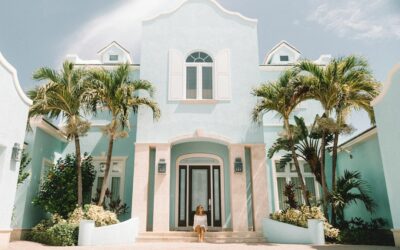
Choosing a whole-house white is far harder than it sounds, and the wrong undertone can turn a warm, welcoming home into something that reads gray, yellow, or clinical from the curb. Shoji white exterior paint, Sherwin-Williams color SW 7042, has become one of the most trusted soft whites for siding precisely because it sidesteps those pitfalls. It is a warm, greige-leaning off-white that stays creamy without going yellow and neutral without going cold. Here is how its undertones behave outdoors, plus the trim, roof, and accent pairings that make it sing.
Part of our Paint & Walls guide — explore the full guide →
- What Shoji White Actually Is
- Understanding the Undertones Outdoors
- Best Trim Colors to Pair With Shoji White
- Roof and Stone Pairings
- Where Shoji White Works Best
- Choosing the Right Sheen and Product for Exteriors
- How Shoji White Compares to Other Popular Whites
- Testing It on Your Own Home
- How Much Paint and What It Costs
- Sherwin Williams Shoji White Indoors: Walls, Trim and Cabinets
- Is Shoji White Right for Your Exterior?
What Shoji White Actually Is
Shoji White is best described as a warm off-white with subtle gray and beige undertones, placing it firmly in the greige-white family. It is named after the translucent paper screens in traditional Japanese architecture, and the color carries that same soft, filtered-light quality. On a fan deck it looks almost plain white, but on a full wall in sunlight it reveals its warmth and quiet depth. That balance is exactly why designers reach for it: it is white enough to brighten a facade but warm enough to feel inviting rather than stark.
The most useful technical number here is its LRV, or Light Reflectance Value, which sits around 74. LRV runs from 0 (pure black) to 100 (pure white), and a value in the low-to-mid 70s means Shoji White reads as a genuine light color that reflects a lot of light without the glare of a bright, high-LRV white like Extra White. Outdoors, where natural light is far more intense than indoors, that slightly lower LRV keeps the color from washing out into a blinding white.
Understanding the Undertones Outdoors
Every white leans somewhere, and the undertone is what you are really choosing. Shoji White’s warmth comes from a mix of beige and a touch of green-gray, which is what keeps it from tipping into the pink or yellow that plague many warm whites. Here is how that plays out in different exterior conditions:
- Full southern sun: the warmth reads clearly, and the color looks soft, creamy, and welcoming.
- North-facing or shaded walls: the gray undertone comes forward, and Shoji can read cooler and slightly more greige.
- Overcast light: it settles into a balanced, neutral off-white that flatters almost any setting.
- Against bright snow or white trim: the greige body becomes obvious, which is a good thing if you want subtle contrast.
Because exterior light shifts so dramatically through the day, the golden rule applies double outdoors: never commit from a fan deck. Paint large sample boards and move them around every elevation of the house, checking morning, midday, and evening.
Best Trim Colors to Pair With Shoji White
Shoji White is versatile enough to serve as either the body or the trim, but most homeowners use it as the main siding color and pair it with a crisper or darker trim. Popular, reliable combinations include:
- Pure White (SW 7005) for a crisp, tonal white-on-white look with just enough contrast to define trim lines.
- Alabaster (SW 7008) for an even softer, blended warm-white scheme when you want subtlety over contrast.
- Iron Ore (SW 7069) or Tricorn Black for a bold, modern-farmhouse contrast on windows, doors, and shutters.
- Urbane Bronze (SW 7048) for a warm, earthy contrast that complements Shoji’s greige base beautifully.
For a classic look, keep the trim brighter than the body. For a moody, contemporary look, go dark on the trim and let Shoji read as the light element. Either way, a two-tone approach with Shoji as the field color is nearly foolproof.
Roof and Stone Pairings
Your roof and any masonry are semi-permanent, so the paint has to work with them rather than the other way around. Shoji White’s flexible greige undertone makes it one of the easier whites to coordinate. It pairs cleanly with warm-gray and charcoal architectural shingles, weathered wood-tone roofs, and both warm and cool stone. If your home has tan or beige brick, Shoji’s warmth ties in naturally; if the brick or stone runs cool gray, the color’s greige side keeps everything cohesive. It even holds up next to black metal roofing on a modern build, where its softness prevents the palette from feeling too severe.
Where Shoji White Works Best
This color is a strong fit across many architectural styles, which is part of its popularity. It shines on:
- Modern farmhouses, where a warm white body with black trim is the signature look
- Craftsman and cottage homes, where its softness suits the cozy character
- Transitional and traditional houses that want a fresh update without stark bright white
- Homes with mixed materials, since the flexible undertone bridges wood, stone, and metal
It is less ideal if you want a very bright, crisp, pure white statement, or if your home sits in deep shade where you would prefer something warmer to compensate. In those cases a brighter white or a warmer creamy white may serve better.
Choosing the Right Sheen and Product for Exteriors
Color is only part of an exterior decision; the paint’s durability matters just as much. For siding, a flat or low-luster (satin) sheen is standard because it hides surface imperfections and reduces glare on large sun-hit walls. Trim is often done in satin or semi-gloss for a subtle step-up in shine and easier cleaning. Whatever line you choose, use a quality 100 percent acrylic exterior paint rated for your climate, and follow proper prep: clean, scrape, prime bare spots, and paint in mild, dry weather between roughly 50 and 85 degrees Fahrenheit for the best cure.
How Shoji White Compares to Other Popular Whites
It helps to place Shoji White among the whites homeowners most often cross-shop, because the differences are subtle but real. Alabaster (SW 7008) is warmer and creamier, with less gray, so it reads softer and slightly more traditional. Pure White (SW 7005) is crisper and cleaner, closer to a true white with only a hint of warmth, making it a better trim partner than a body color when you want contrast. Greek Villa is another warm white but leans a touch yellower than Shoji. And where a color like Snowbound reads cooler and more modern, Shoji sits comfortably in the middle, warm enough to feel welcoming yet balanced enough to never look yellow.
That middle-of-the-road quality is exactly why designers reach for Shoji so often on exteriors: it is the safe, flexible choice that flatters more roofs, stones, and trims than a color committed strongly to either warm or cool. If you find Alabaster too creamy or Pure White too stark on your test boards, Shoji frequently splits the difference perfectly.
Testing It on Your Own Home
Because exterior light is so variable, plan to sample generously before committing to gallons. Paint two full coats on large boards, at least two feet square, and move them to every side of the house. Check them in direct morning sun, harsh midday light, soft evening light, and full shade, and hold them against your roof shingles, any brick or stone, and the trim color you are considering. Live with the boards for several days, since the color that looks perfect at noon can feel wrong at dusk. This small step is the cheapest insurance you can buy against repainting an entire home.
How Much Paint and What It Costs
A typical single-story home needs roughly 10 to 15 gallons for the body, and a two-story house can run 15 to 25 gallons or more depending on square footage and texture. Premium exterior acrylic runs about $50 to $80 per gallon at retail. If you hire out the job, professional exterior painting commonly runs $2 to $6 per square foot of surface, meaning a full repaint on an average home often lands between $4,000 and $10,000 including prep and labor. Buying quality paint pays off outdoors, where cheap product fades and chalks years sooner.
Sherwin Williams Shoji White Indoors: Walls, Trim and Cabinets
Sherwin Williams Shoji White (SW 7042) works as well inside as it does on siding: a soft, warm off-white with gray and beige undertones and an LRV of about 74. Indoors it reads creamier in sunny rooms and more greige in north light, which makes it a calm choice for living rooms, bedrooms and kitchen cabinets. It is not a bright white, so pair it with a crisper trim white if you want contrast.
How It Reads Room by Room
| Room condition | How Shoji White reads | Tip |
|---|---|---|
| South or west facing | Warm, soft cream | Use cool-leaning bulbs if it looks too warm at sunset |
| North facing | Grayer, more greige | Warm white bulbs keep it from going flat |
| Low light or small rooms | Muted, close to light beige | Consider a brighter white if you want more lift |
| With warm wood floors | Ties in with the wood tones | Avoid strongly orange stains beside it |
Trim and Ceiling Pairings
For a classic look, keep Shoji White on walls and use Pure White (SW 7005) on trim and ceilings for a clean but gentle step up in brightness. For a calm, tonal room, paint walls and trim both in Shoji White and change only the sheen. Dark accents such as black window sashes or a deep bronze door give the strongest contrast.
Shoji White on Cabinets
Shoji White is a popular cabinet color because it looks warm against stone, wood and brass without reading yellow. It pairs well with warm gray or white quartz and with brushed brass or black hardware. Use a hard-curing cabinet or enamel paint, degrease and scuff-sand first, prime as the label directs, and allow full cure time before heavy use.
Sheen and Lighting
- Walls: matte or eggshell to soften the color and hide flaws.
- Trim and doors: satin or semi-gloss for easier cleaning.
- Cabinets: satin or semi-gloss for durability.
- Bulbs: warm white bulbs bring out the beige side; cooler daylight bulbs push it toward gray.
Sampling Inside
Paint two coats on a large sample board and move it between walls, checking it in morning light, evening light and under your own lamps. Hold it beside existing cabinets, counters and flooring, since fixed finishes affect the color more than furniture does. Ask for the color by name and number so the store mixes the exact formula.
Is Shoji White Right for Your Exterior?
Shoji White earns its reputation as a go-to exterior neutral because it threads a difficult needle: bright enough to feel fresh, warm enough to feel inviting, and flexible enough to coordinate with almost any roof, stone, and trim. Sample it generously on every elevation, pair it with a trim that matches your desired contrast level, and you will have a warm, timeless white that looks intentional in every light. For homeowners who want a safe, sophisticated white that never reads cold or clinical, it is one of the strongest choices on the deck.