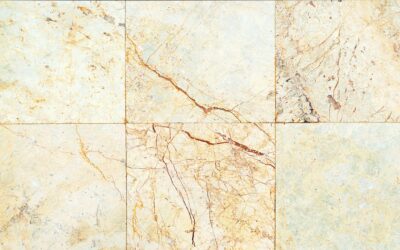
Slate has been used for kitchen floors since stone buildings first started having dedicated kitchens. Its natural water resistance, textured surface, and earthy color variations make slate flooring kitchen projects appealing to homeowners who want a material with genuine character — not a printed image of stone on vinyl or porcelain. The tradeoff is that slate demands more from installation, maintenance, and your subfloor than almost any other flooring option. Knowing what you are signing up for prevents buyer’s remorse.
Part of our Kitchen Remodeling guide — explore the full guide →
What Slate Actually Is
Slate is a metamorphic rock formed when shale or mudstone is compressed and heated underground. The result is a fine-grained layered stone that splits naturally into flat sheets — which is why slate roof tiles and floor tiles can be quarried in usable shapes without cutting.
Most slate sold in the US comes from quarries in China, India, Brazil, Italy, and increasingly Vermont and Pennsylvania. Quality varies dramatically between sources. Premium slate from Italy or Vermont costs $8 to $14 per sq ft. Budget slate from China can run $2 to $4 per sq ft.
Types of Slate for Kitchen Floors
Slate floor tiles come in several finishes and formats:
- Natural cleft slate — uneven textured surface from natural cleavage; rustic look, $3 to $9 per sq ft
- Honed slate — sanded smooth, low-sheen finish; $5 to $11 per sq ft
- Gauged slate — back surface ground flat for consistent thickness; easier installation, $4 to $10 per sq ft
- Ungauged slate — natural thickness variation, requires thicker mortar bed; lower cost, harder installation
- Tumbled slate — rounded edges and worn appearance; $4 to $8 per sq ft
For kitchen applications, gauged honed slate or natural cleft slate are the practical choices. The smooth honed surface cleans easier; natural cleft hides crumbs and minor damage better.
Pros of Slate Kitchen Flooring
Genuine character is the headline benefit. No two slate floors look alike. The color variation — slate is sold in multi-color, dark gray (Welsh slate), green-purple (Vermont slate), rust-brown (Indian slate), and black (Brazilian slate) — gives kitchens an organic texture that printed tiles cannot match.
Durability is excellent. Slate is among the hardest natural stones used in flooring, with a Mohs hardness around 4 to 5. Dropped pans, dragged chair legs, and dog claws cause minimal damage to properly sealed slate. Expected service life is 50 to 100 years.
Natural slip resistance is high, especially on natural cleft slate. The textured surface provides traction even when wet — a real safety benefit in kitchens.
Heat tolerance is essentially unlimited. Slate handles wood stoves, hot pans set directly on the floor, and radiant heat systems without any concern. The thermal mass also stores heat from radiant systems efficiently.
Cons and Real-World Issues
Slate is hard underfoot. Standing at a kitchen island for an hour wears on knees and feet in a way that wood and vinyl do not. Anti-fatigue mats and supportive footwear become daily necessities.
Cold underfoot in winter unless paired with radiant floor heating. Even in moderate climates, slate kitchen floors sit 5 to 10 degrees below room temperature, which is uncomfortable barefoot in fall and winter.
Dropped glassware shatters more dramatically than on wood or vinyl. Expect occasional broken plates and glasses on a slate floor.
Slate cleaves naturally, which means some tiles have thin spots that can chip. Cleft surfaces also have small dust pockets and irregularities that retain dirt — slate kitchens need more frequent thorough cleaning than smooth surfaces.
Quality variation between slate sources is significant. Budget slate from inexpensive quarries can have high iron content (rust spots that develop over time), poor cleavage (irregular thickness), and structural weaknesses that lead to cracking.
Installation Requirements
Slate installation is more demanding than ceramic or porcelain tile:
- Subfloor stiffness — slate requires a rigid subfloor with deflection under L/720 (stricter than ceramic tile’s L/360)
- Cement backer board — install over CBU like HardieBacker or Durock, not directly over plywood
- Premium thinset — large-format mortar rated for natural stone
- Larger trowel — 1/2″ by 1/2″ notched trowel for proper coverage under stone
- Back-buttering — apply thinset to both subfloor and back of each tile for complete bond
Installation labor runs $8 to $15 per sq ft for professional slate installation — significantly higher than ceramic tile at $4 to $9 per sq ft. Total project cost for a 200 sq ft kitchen lands $3,000 to $6,000 in materials and installation.
Sealing and Ongoing Maintenance
Slate is porous and must be sealed before grouting and after installation. Two sealer types apply:
- Penetrating sealer (Aqua Mix Sealer’s Choice, StoneTech BulletProof) — soaks into the stone; preserves natural look; reapply every 12 to 24 months
- Enhancing sealer — deepens color and adds slight sheen; reapply every 18 to 36 months
- Topical sealer — surface coating; not recommended for kitchen use as it can peel and discolor
Daily maintenance: damp mop with pH-neutral cleaner (Aqua Mix or Stone Tech daily cleaner). Avoid acidic cleaners like vinegar — they etch slate over time. Avoid harsh detergents that strip sealers.
Slate cleavage releases small flakes for the first 6 to 12 months after installation. Vacuum or sweep regularly during this period.
Best Slate Colors for Kitchen Use
Color affects both appearance and practicality:
- Multi-color slate (Indian Multicolor, African Multicolor) — hides dirt, crumbs, and minor stains; most forgiving
- Black slate — dramatic appearance but shows dust, crumbs, and water spots prominently
- Dark gray (Welsh, Chinese black) — versatile, hides most issues
- Green and purple (Vermont) — high-end appearance, premium pricing
- Rust-brown (Indian Autumn) — warm tones complement wood cabinets
When Slate Is the Right Choice
Slate works well in kitchens with:
- Country, rustic, farmhouse, or Mediterranean design styles
- Radiant floor heating systems
- Wood stoves or fireplaces
- Heavy use with pets and outdoor traffic
- Homeowners who appreciate natural material variation
Skip slate if you prefer uniform appearance, want a kitchen that feels warm underfoot without radiant heat, stand for long hours cooking daily, or have small children prone to dropping breakable items.
Alternatives Worth Comparing
Porcelain tile with slate visual print costs $3 to $7 per sq ft, looks 80 to 90 percent as authentic, installs easier, requires no sealing, and feels comparable underfoot. For most homeowners, porcelain delivers the visual benefit without slate’s maintenance demands.
Bottom Line
A slate flooring kitchen delivers genuine natural character, exceptional durability, and a 50+ year service life — at a cost in installation complexity, ongoing sealing, and barefoot comfort. Choose slate when authentic stone matters more than convenience. For comparable appearance with less maintenance, large-format porcelain in slate visuals is a credible alternative at half the cost.
Prefer to explore on your own?
See how new flooring looks in your actual room in seconds — free, no signup.
Try the free Floor Studio →