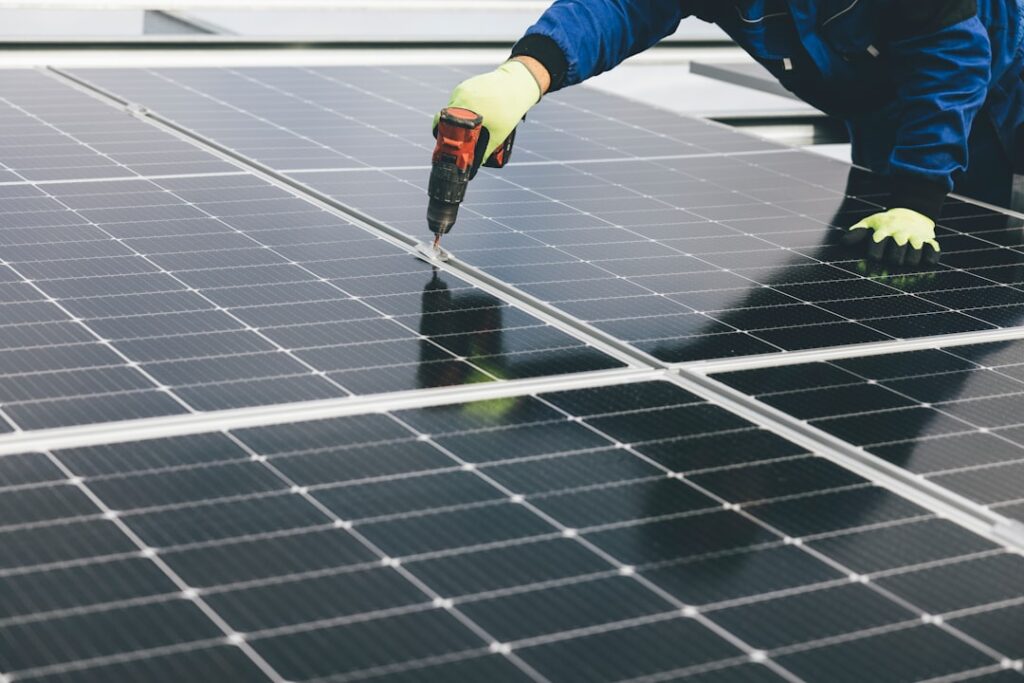
Panels have almost no moving parts, so the solar panel maintenance cost most homeowners actually pay is low and predictable. Budget roughly $150 to $350 for a professional cleaning and around $150 for an annual inspection, with occasional bigger repairs like an inverter swap running $1,000 to $2,500 once or twice over the system’s life.
- What You’ll Actually Pay Each Year
- Cleaning: The One Recurring Expense
- Inspections: Cheap Insurance
- The Inverter: Your Biggest Planned Expense
- What Drives Your Price Up or Down
- Are Annual Maintenance Plans Worth It?
- Warranties: What They Cover and What They Don’t
- DIY vs. Professional Maintenance
- How to Keep Costs Low
I’ve walked a lot of roofs, and the pattern is consistent: the array itself just sits there and works. Where money goes is cleaning, the annual once-over, and the electronics that do have a shelf life. Here’s what each line item really costs and where people overspend.
What You’ll Actually Pay Each Year
Here are the real-world numbers for a typical 6 kW to 10 kW residential rooftop system:
- Professional cleaning: $150 to $350 per visit ($15 to $35 per panel on some quotes)
- Annual inspection: $150 (often $100 to $200, sometimes bundled with cleaning)
- Annual maintenance plan: $150 to $500 per year (cleaning + inspection + monitoring)
- Inverter replacement: $1,000 to $2,500 (string inverter, parts and labor)
- Microinverter replacement: $200 to $400 per unit
- Monitoring system repair: $100 to $400
- Loose wiring or connector fix: $100 to $300
- Pest/bird mesh install: $500 to $1,500 one time
- Panel replacement (single): $200 to $500 for the panel, plus $100 to $300 labor
Add it up and most owners spend $150 to $600 a year, heavily weighted toward cleaning. The four-figure items are rare events, not annual costs.
Cleaning: The One Recurring Expense
Dust, pollen, and bird droppings cut output by 5% to 20% depending on your climate. If you live somewhere with regular rain, the rain does most of the work and you may only need a pro clean every two or three years. In dry, dusty regions like Arizona or the Central Valley, once or twice a year pays for itself in recovered production.
A crew charges $150 to $350 because the real cost is the ladder, the fall-protection setup, and deionized water so you don’t leave mineral spots. Steep roofs, second and third stories, or tile roofs push you toward the top of that range. Flat and single-story ranch roofs land at the bottom.
You can clean panels yourself with a soft brush, a hose, and a squeegee on a cool morning, which drops the solar panel maintenance cost to almost nothing. Skip it if the array is on a steep or high roof. A cleaning is not worth an ambulance ride, and DIY water spots can shade cells more than the dirt did.
Inspections: Cheap Insurance
An annual inspection runs about $150 and catches the problems that quietly kill production: corroded connectors, cracked backsheets, loose racking bolts, roof-penetration leaks, and inverter fault codes. A technician checks torque on mounting hardware, thermal-scans for hot spots, and verifies the monitoring data matches actual output.
You don’t strictly need a paid inspection every single year if your monitoring app is healthy and production tracks the seasonal curve. Many owners inspect every two to three years and rely on app alerts in between. But after a major hailstorm, high winds, or a roof that’s had other work done, pay the $150 and get eyes on it.
The Inverter: Your Biggest Planned Expense
The inverter converts DC from the panels into the AC your house uses, and it’s the part most likely to fail. A central string inverter typically lasts 10 to 15 years, while the panels are warrantied 25 years. So plan on one inverter replacement during ownership.
A string inverter swap costs $1,000 to $2,500 installed. Many carry a 10 or 12 year warranty, so if it dies inside that window you may only pay labor, roughly $200 to $500. Microinverters and DC optimizers last longer, often 20 to 25 years, and cost $200 to $400 each to replace if one fails, which limits your exposure to a single panel rather than the whole array.
When you budget for a system, set aside about $150 a year in a mental “sinking fund.” Over a decade that covers the inverter without it feeling like a surprise.
What Drives Your Price Up or Down
Several factors move the solar panel maintenance cost within these ranges:
- Roof height and pitch: A three-story or steep roof adds fall-protection and access charges of $50 to $150.
- Array size: A 20-panel system costs more to clean and inspect than a 12-panel one, though per-panel rates drop with volume.
- Climate: Dusty, pollen-heavy, or coastal salt-air locations need more frequent service.
- Wildlife: Squirrels and pigeons nesting under panels chew wiring; critter guard prevents repeat repair bills.
- Ground vs. roof mount: Ground arrays are cheaper and safer to service, often cutting cleaning costs in half.
Are Annual Maintenance Plans Worth It?
Installers and third-party companies sell annual plans for $150 to $500. A typical plan bundles one cleaning, one inspection, monitoring, and a discounted rate on repairs. For a large, high, or hard-to-reach array, the convenience and the “someone else owns the ladder” factor make it reasonable.
For a small single-story system in a rainy climate, a plan is usually overpriced. You’ll come out ahead paying à la carte: a $200 cleaning every couple of years and an inspection when your monitoring flags something. Read the fine print, too. Some plans exclude the inverter, which is the one expensive part you actually want covered.
Warranties: What They Cover and What They Don’t
Read your warranty paperwork before you pay for any repair, because a lot of what fails is already covered. Panels typically carry a 25-year performance warranty guaranteeing they’ll still produce at least 80% to 85% of their rated output, plus a 10 to 12-year product warranty on defects. If a panel cracks or a cell degrades faster than promised, the manufacturer replaces it, though you may still pay the labor to swap it, roughly $100 to $300.
Inverters usually carry a 10 to 12-year warranty, and microinverters often 25 years. Here’s the catch: warranties cover the hardware, not the labor, and not damage from weather, animals, or bad installation. A squirrel-chewed cable or a hailstorm crack is on you or your homeowner’s insurance, not the panel maker. Keep your serial numbers and install date filed; a claim is nearly impossible without them.
Workmanship warranties from the installer, typically 5 to 10 years, cover leaks and mounting failures tied to how the array was put on your roof. If your installer is still in business, use it before paying out of pocket for a roof-penetration leak.
DIY vs. Professional Maintenance
Splitting the work saves real money. The tasks worth doing yourself are low-risk and free: rinsing panels from the ground with a garden hose during dry spells, checking your monitoring app monthly, clearing leaves and debris from around the array, and visually scanning for anything obviously loose or discolored with binoculars. None of that requires a ladder or any electrical knowledge.
Leave the rest to a pro. Anything involving a steep roof, the inverter, wiring connections, or the breaker panel is either dangerous, voids your warranty, or both. Solar systems carry live DC voltage even when the grid is down, and there’s no safe way to poke around inside a junction box without training. The rule of thumb: if it requires a ladder taller than a step stool or a screwdriver near a wire, hire it out. The $150 you spend on a pro is cheaper than a fall or a fried inverter.
How to Keep Costs Low
The cheapest maintenance is prevention. Watch your monitoring app monthly and compare production to the same month last year. A sudden 15% drop means something is dirty, shaded, or faulting, and catching it early prevents a small problem from becoming a warranty fight. Trim overhanging branches before they drop sap and shade. Rinse panels with a hose from the ground during dry spells. And keep your original install paperwork so warranty claims on the inverter go smoothly.
Bottom line: over 25 years, expect to spend a few thousand dollars total, with one inverter replacement as the single largest hit. Compared to the electricity a working system produces, the solar panel maintenance cost stays firmly in the “minor operating expense” column.