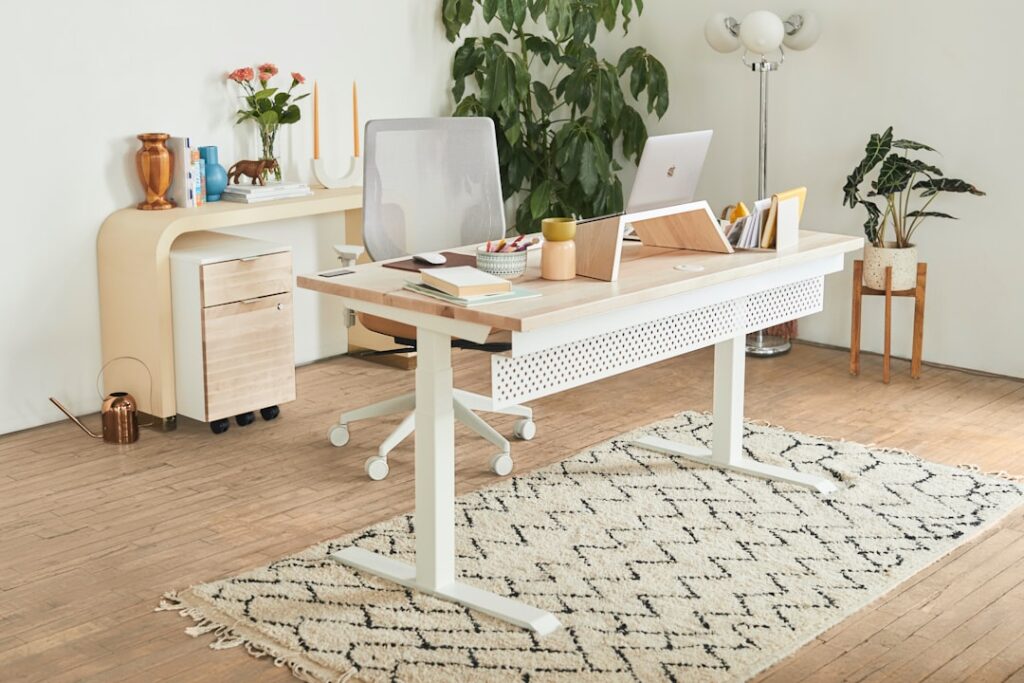
A patterned rug grabs attention, but a solid rug does something more useful: it grounds a room without competing with everything else in it. If you already have a bold sofa, patterned drapes, or busy artwork, a single-color rug calms the space and lets those pieces shine. It is the most versatile floor covering you can buy, and it is also one of the easiest to get wrong if you pick the wrong shade, texture, or size. Here is how to choose a solid rug that looks intentional rather than like an afterthought.
Why Choose a Solid Rug at All
Solid rugs earn their keep through flexibility. Because there is no pattern to clash with, one rug can move from the living room to a bedroom to an office as your décor changes. They photograph well, they make small rooms feel less cluttered, and they give the eye a place to rest in a visually busy home. In an open floor plan, a pair of matching solid rugs can define separate zones without introducing chaos.
The trade-off is that a solid surface hides less. Every crumb, pet hair, and vacuum line shows more on a plain field than on a busy pattern. That reality should guide both the color and the material you pick.
Picking the Right Color
Color is the whole decision with a solid rug, so slow down here. Neutrals like ivory, greige, charcoal, and camel are the safest and most timeless, and they pair with nearly any wall color. If you want the rug to disappear and let furniture lead, match it loosely to your flooring tone. If you want it to anchor and add contrast, go a few shades darker than the floor.
- Light colors (ivory, cream, pale gray): open up a room and feel airy, but show dirt fast. Best in low-traffic or adult spaces.
- Mid-tones (greige, taupe, sage, dusty blue): the most forgiving choice for family rooms; they hide soil and coordinate easily.
- Dark colors (charcoal, navy, espresso): dramatic and grounding, but they reveal lint and pet hair under bright light.
Always order a swatch and lay it on the floor for a few days. A color that looks warm gray in the store can read lavender or beige under your home lighting.
Materials and How They Wear
The fiber determines how the rug feels, how long it lasts, and how you clean it. Wool is the gold standard: naturally stain-resistant, resilient, and soft, though it costs more and can shed at first. Polypropylene and other synthetics are budget-friendly, easy to clean, and great for high-traffic or pet homes. Cotton is soft and often machine-washable but flattens over time. Jute and other natural fibers give a solid rug texture and a casual look, but they are rough underfoot and hard to spot-clean.
For a busy household, the better choice is a low-pile wool or a quality washable synthetic. For a formal room that sees light traffic, plush wool is worth the splurge.
Pile Height and Texture
A solid rug lives or dies by its texture, since it has no pattern to add interest. A high-pile or shag rug feels luxurious and cozy in a bedroom but is a nightmare to vacuum and traps debris. A low-pile flatweave is easy to clean, sits well under doors and chairs, and suits dining rooms and entries. In between, a medium cut pile balances softness and practicality for most living rooms.
Consider a rug with subtle tonal texture, such as a looped or high-low weave in a single color. It reads as solid from across the room but adds depth up close, and it hides footprints and vacuum tracks better than a perfectly flat surface.
Getting the Size Right
The most common mistake is buying a rug that is too small, which makes furniture look like it is floating. Use these rules of thumb:
- Living room: the rug should sit under at least the front legs of the sofa and chairs. An 8×10 or 9×12 works for most seating groups.
- Dining room: the rug must extend about 24 inches beyond the table on all sides so chairs stay on it when pulled out.
- Bedroom: a rug that reaches 18 to 24 inches past the sides and foot of the bed frames it nicely; an 8×10 fits a queen well.
Leave a consistent border of exposed floor, roughly 8 to 18 inches, around the rug so the room feels balanced.
Styling a Solid Rug
The beauty of a plain rug is that it invites layering. Set a smaller patterned or textured rug on top of a large neutral one to add personality while keeping the calm base. Use throw pillows, a patterned ottoman, or bold artwork to bring in color the rug deliberately leaves out. In a monochrome scheme, a solid rug just a shade off the wall color creates a soothing, high-end look that designers use constantly.
Do not forget a rug pad. A good pad keeps the rug from sliding, adds cushioning underfoot, and protects both the rug and your floor from grit that grinds down fibers.
Cleaning and Upkeep
Vacuum a solid rug weekly, more in high-traffic areas, and rotate it every few months so it wears and fades evenly. Blot spills immediately rather than rubbing, which pushes stains deeper into the pile. For wool, use a cleaner formulated for natural fibers; for synthetics, most all-purpose rug cleaners are safe. Washable cotton or synthetic rugs can go in the machine on cold and air dry, which is a real advantage in homes with kids or pets.
Solid Rugs by Room
Each room asks something slightly different of a solid rug. In a living room, prioritize a size generous enough to sit under the front legs of the seating and a mid-tone color that hides everyday traffic. Dining rooms need a flatweave or low pile so chairs slide easily, plus a stain-resistant fiber for the inevitable spills. Bedrooms are where you can indulge in a plush, higher pile since the traffic is light and comfort underfoot matters most first thing in the morning.
Entryways and hallways call for the most durable, darkest solid you are willing to live with, because they take the brunt of grit and moisture from outdoors. A tightly woven synthetic in charcoal or espresso hides the abuse and cleans up easily. Home offices fall in between; a mid-pile solid in a calming neutral keeps the space from feeling sterile without distracting the eye. Matching the rug’s practicality to the room’s demands is what separates a purchase you love from one you replace in two years.
Final Thoughts
A solid rug is the quiet workhorse of home décor. It grounds a room, plays well with everything, and moves with you as your style evolves. Choose a mid-tone color for practicality, a fiber that matches your traffic and cleaning habits, and a size generous enough to anchor the furniture. Add a good pad and a little texture, and a simple single-color rug will do more for a room than any loud pattern ever could.