The most versatile rug in any home is often the one with nothing on it. A plain rug — a solid, unpatterned expanse of color and texture — does the quiet, essential work of grounding a room, defining a space, and letting your furniture, art, and architecture take center stage. It is the design equivalent of a well-cut white shirt: never the loudest thing in the room, always the piece that makes everything else look intentional. But “plain” does not mean “basic.” The difference between a flat, forgettable rug and a rich, elevated one comes down to color depth, texture, and material — the three things this guide will help you get right.
Why Choose a Plain Rug
Patterned rugs are exciting but demanding: they dictate the palette, compete with other patterns, and can date quickly. A plain rug asks nothing and gives a lot. It works with any furniture, survives changing tastes, and provides a calm foundation in rooms that already have plenty going on — bold art, patterned upholstery, busy wallpaper, or an open floor plan that needs visual quiet.
Solid rugs also let architecture and furnishings shine. If you have a beautiful sofa, a striking coffee table, or great millwork, a plain rug frames them instead of fighting them. And because there is no pattern to match, a plain rug is the easiest kind to shop for and the most forgiving when you rearrange or redecorate down the line.
Choosing the Right Color
With no pattern to hide behind, color is everything on a plain rug. The shade you pick sets the room’s entire mood and determines how practical the rug will be day to day.
- Neutrals (ivory, greige, gray, taupe, charcoal): the most flexible and popular. Lighter neutrals open up and brighten a room but show soil; darker neutrals hide dirt and ground a space.
- Warm tones (camel, rust, terracotta, chocolate): add coziness and pair beautifully with wood and brass; on-trend and forgiving of foot traffic
- Cool tones (blue, sage, slate): calming and clean; ideal for bedrooms and offices
- Bold solids (navy, emerald, mustard): a plain rug in a saturated color becomes a subtle statement without any pattern at all
Match the undertone to your existing palette. A warm-white room wants a rug with warm undertones; a cool gray room wants cool. And be realistic about lifestyle — a solid ivory rug in a house with kids and a dog will need constant attention, while a heathered gray or espresso hides real life far better.
Texture Is What Makes a Plain Rug Interesting
Here is the secret that separates a flat, cheap-looking solid rug from a rich, high-end one: texture does the work that pattern would. Without a design to catch the eye, the weave and pile become the point.
- Cut-pile and plush: soft, warm, and inviting; a solid plush rug reads luxurious underfoot
- Looped and hand-loomed: subtle dimension and a tailored, tactile surface
- High-low and carved: tone-on-tone patterns cut into the pile give a “plain” rug quiet, sculptural interest
- Natural fibers (jute, sisal, wool bouclé): visible weave and organic texture that adds warmth and a relaxed, layered look
- Shag: the plushest option; a solid shag rug is all about tactile comfort
When shopping for a solid rug, run your hand over it. A rich texture in a single color almost always looks more expensive than a flat, smooth surface in the same shade.
Material and Durability
The fiber determines how the rug feels and how long it lasts. Choose based on the room’s traffic and your budget.
- Wool: the premium standard — soft, resilient, naturally stain-resistant, and long-lasting. A solid wool rug ages gracefully. Expect $8 to $20 per square foot.
- Polypropylene and polyester: affordable, stain- and fade-resistant, and widely available in every solid color; ideal for families and high-traffic rooms
- Cotton: soft, washable, and budget-friendly, but less durable in heavy-traffic areas; great for casual and flatweave solids
- Jute and sisal: natural texture and a neutral, earthy look, but sensitive to moisture — keep out of wet zones
- Nylon: extremely durable and resilient, a strong choice for busy households
Styling a Plain Rug
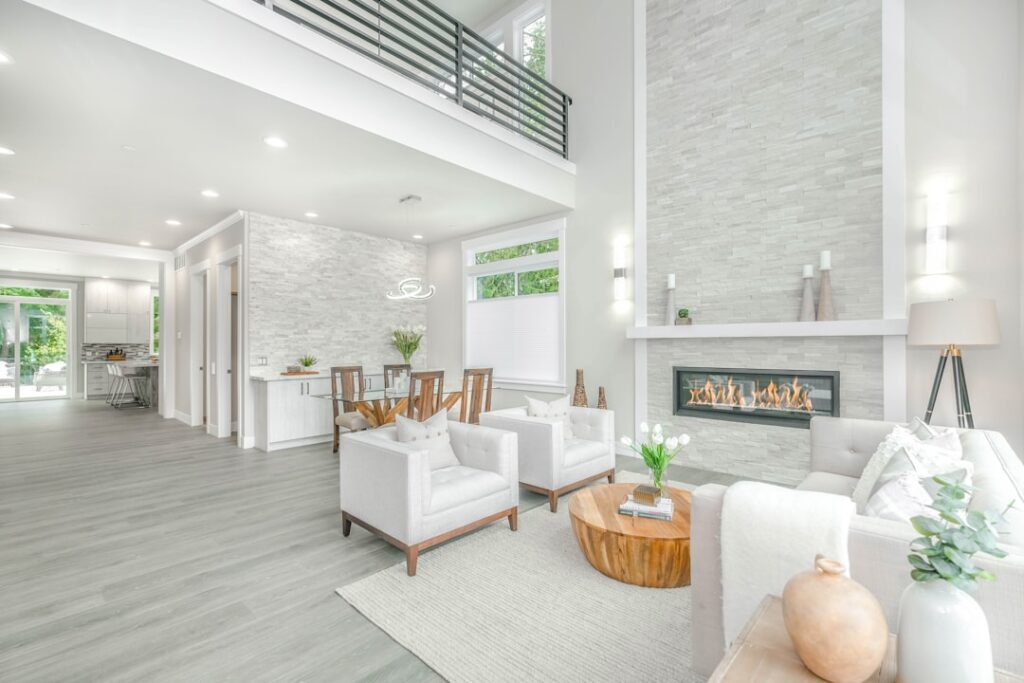
A plain rug is a backdrop, so let the rest of the room provide the interest. This is the ideal foundation for patterned pillows, bold art, sculptural lighting, and layered textures. Because the rug does not compete, you can be braver everywhere else — a graphic throw, a colorful gallery wall, a statement chair — knowing the floor keeps the whole scheme grounded.
Plain rugs are also the best base for layering. A large solid jute or low-pile rug under a smaller patterned or plush rug is a classic designer move that adds depth and defines a zone within an open room. And in minimalist or Scandinavian spaces, a single well-chosen solid rug in a warm neutral may be all the floor needs.
Sizing and Placement
The sizing rules for a plain rug are the same as any other: bigger is usually better. In a living room, get at least the front legs of every seating piece on the rug and leave 8 to 18 inches of exposed floor around the edges. In a dining room, allow 24 inches of rug beyond the table on all sides so chairs stay on when pulled out. In a bedroom, extend the rug well past the sides and foot of the bed for a soft landing. Because a solid rug has no pattern to center, placement is forgiving — focus on coverage and proportion rather than lining up a design.
Care and Maintenance
Solid rugs, especially light ones, show soil more readily than busy patterns, so regular care keeps them looking sharp. Vacuum weekly to lift grit before it grinds into the fibers, and use a rug pad to prevent slipping, cushion the pile, and extend the rug’s life. Rotate the rug a couple of times a year so foot traffic and sunlight wear it evenly — uneven fading is more noticeable on a solid than on a pattern.
Blot spills immediately with a clean cloth and mild soap and water, working from the outside in; never rub, which spreads the stain and can mat the fibers. Many cotton and synthetic flatweave solids are machine-washable in smaller sizes — check the label. For wool, use gentle products and schedule a professional deep clean every year or two to restore the pile and lift embedded dirt.
Common Mistakes to Avoid
Choosing a flat, textureless solid in a light color and expecting it to look high-end is the most common disappointment — invest in texture and it transforms. Ignoring undertone leaves a “neutral” rug clashing with the room’s warmth or coolness. And picking an impractical white or ivory for a busy household guarantees frustration. Match the color to your life, prioritize texture, and size it generously.
A plain rug is proof that restraint is a design choice, not a lack of one. Chosen with attention to color depth, texture, and the right fiber, a solid rug anchors a room, flatters everything around it, and adapts to whatever you put above it for years to come.